


Shipping From China To Hamburg
Shipping from China to Germany, especially from China to Hamburg, requires careful consideration of key factors such as cost, regulatory compliance, and practical tips to ensure a smooth and cost-effective shipping process. Over the years, the volume of shipping from China to Hamburg has continued to rise, reflecting the growing trade between these two economic giants. As one of the main ports in Europe, Hamburg is an important channel for Chinese goods to enter the European market. Heyuan has compiled this comprehensive guide to help you clearly understand the shipping process from China to Hamburg, giving you valuable insights and tips to enable you to have a smooth and cost-effective international trade experience.
Product Introduction
Shipping from China to Hamburg
Factors to consider when shipping from China to Hamburg
There are several key factors to consider when shipping goods from China to Hamburg. Whether you choose sea, air or road transport, the mode of transport you choose will have a significant impact on costs and shipping times. For example, sea transport is generally more economical for large shipments such as electronics or textiles, while air transport is faster but usually more expensive, so it is suitable for time-sensitive products such as electronics.
Secondly, understanding the complex customs regulations and documentation requirements in China and Germany is crucial to completing the shipping process smoothly. Ensuring that relevant documents such as invoices and certificates of origin are complete and accurate is extremely important to avoid delays and compliance issues. In addition, understanding freight rate changes caused by market conditions and fuel prices is key to cost-effective planning.
Choosing a reliable transportation partner like Heyuan can simplify the process, provide guidance and expertise, and ensure that your goods arrive in Hamburg efficiently and safely.


5 key factors to consider when shipping from China to Hamburg
Mode of transport: The mode of transport you choose can have a huge impact on your shipping process. For example, if you need to ship perishable goods (such as fresh seafood) from China to Hamburg, air freight would be an ideal choice due to its fast characteristics. On the other hand, if you are dealing with a large number of items that are not time-sensitive (such as furniture), sea freight may be more cost-effective, although it takes longer. Knowing the characteristics of your goods and their urgency will help you decide whether to choose air, sea or land freight.
Customs compliance: It is extremely important to understand the customs regulations and documentation requirements in China and Germany. For example, if you plan to ship textiles, you must follow specific labeling and security standards set by the German customs authorities. Failure to meet these requirements can result in delays and additional costs. It is crucial to fully research and fulfill all customs obligations to ensure that your shipment can pass through customs smoothly.
Packaging and handling: Proper packaging is crucial to protecting your goods during transport. Let's say you are exporting fine ceramic artwork from China to Hamburg. In this case, you need to invest in strong, shock-absorbing packaging materials and suitable cushioning materials to prevent damage. Different types of goods require different packaging methods, so understanding these requirements is extremely important to protect your goods from damage.
Cost considerations: A deep understanding of the cost structure of the transportation process is crucial for budget planning. For example, if you plan to ship machinery from China to Hamburg, you should not only consider the transportation costs, but also the potential storage costs, tariffs and various taxes that may be incurred upon arrival in Germany. Real-time understanding of freight rate fluctuations caused by market trends and fuel price changes can help you plan your finances efficiently.
Transport Partner: Choosing a reliable transport partner, such as Heyuan, can simplify the transport process. A trusted partner has expertise in handling all types of cargo and can ensure that your goods, whether consumer electronics, textiles or machinery, are transported efficiently and safely. They can also provide guidance on documentation, customs compliance and any unexpected challenges that may arise during transportation. Such a partnership can greatly reduce the complexity associated with international transportation and contribute to a successful shipping experience from China to Hamburg.

Choosing the best shipping method for Hamburg
Choosing the best shipping method for Hamburg will largely depend on the characteristics of your products and their specific requirements. For example, if your products are highly perishable, such as fresh produce or seafood, air freight would be the most appropriate choice due to its speed. On the other hand, if you are dealing with large or heavy items, such as industrial machinery, ocean freight may provide a more cost-effective solution. The impact of your products, whether they are fragile, time-sensitive, or have unique storage needs, should guide your choice of shipping method. It is crucial to carefully consider these factors to ensure that your goods arrive in Hamburg in the best condition, on time, and within your budget.
Air freight from China to Hamburg
There are several steps to transporting goods from China to Hamburg by air. First, choose a freight forwarder with a good reputation and experience in international air transport. Yuan Supply Chain fits the bill. Provide detailed information about the goods, including weight, dimensions, and special handling requirements. Package the goods properly to protect it, and ensure that documents (such as invoices and customs declaration forms) are complete and accurate. The transportation partner takes care of the logistics, including booking space, customs clearance, and transportation to the final destination.
Advantages
Speed: Air freight is the fastest mode of transportation, ensuring your products reach Hamburg quickly. This is advantageous for time-sensitive goods, such as electronics or fashion items with seasonal demand.
Reliability: Air carriers often have strict schedules, reducing the risk of delays due to weather or other factors. This reliability is crucial for meeting tight deadlines.
Global Reach: Air freight offers access to a vast network of airports, making it suitable for shipping to remote or less accessible locations in Hamburg or other parts of the world.


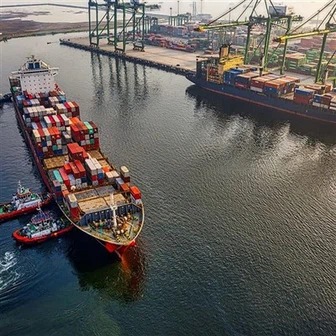
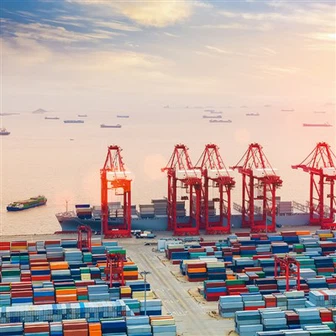
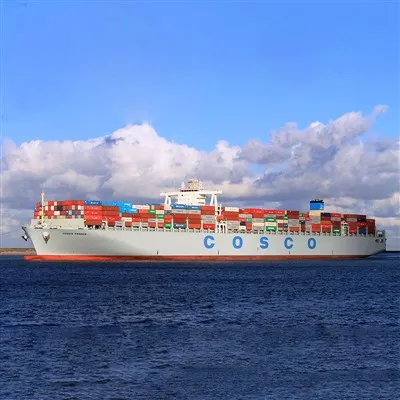
Sea freight from China to Hamburg
There are several important steps to transport goods from China to Hamburg by sea. Heyuan is a reputable and experienced shipping agent. Provide detailed information about the goods, such as type, quantity, weight and dimensions. Properly pack the goods to withstand the test of sea transportation. Prepare the necessary documents such as bill of lading, commercial invoice and customs declaration. The selected transport partner is responsible for logistics, including booking space, customs clearance and inland transportation planning after arriving in Hamburg.
Advantages
Cost-Effective: Sea freight is generally more cost-effective than air freight, making it an attractive option for bulk shipments or products with lower profit margins.
High Cargo Capacity: Container ships have ample cargo space, making sea freight ideal for transporting large or oversized items, such as industrial machinery or vehicles.
Environmental Impact: Sea freight is often considered a more environmentally friendly mode of transportation compared to air freight, as it produces fewer greenhouse gas emissions per unit of cargo transported.
Stability: Ocean shipping is less prone to disruptions due to weather conditions or capacity constraints, providing a stable and predictable transportation option.
Road freight from China to Hamburg
Road freight from China to Hamburg involves the transportation of goods by land by truck, train and possible sea or rail connection. Arranging road freight from China to Hamburg requires a thorough process. Heyuan will pass detailed cargo information (including weight, dimensions and characteristics) to the selected freight company. Proper packaging and labeling are extremely important to ensure safe transportation. The preparation of basic transport documents (such as invoices and customs declaration forms) must comply with international transportation regulations. Collaboration with freight suppliers is crucial for efficient customs clearance (including import duties and taxes) at the Chinese and German borders.
Advantages
Flexibility: Road freight offers flexibility in terms of cargo size, making it suitable for both small and large shipments.
Accessibility: Roads provide access to a wide range of locations in Hamburg and its surrounding areas, allowing for efficient distribution.
Cost-Effective: Road freight is often more cost-effective than air freight and can be competitive with sea freight for certain types of cargo.
Reliability: Road freight services can offer predictable transit times and schedules, contributing to reliable deliveries.

Estimated Costs and Transit Time for Shipping to Hamburg
The expected cost and transit time for shipping to Hamburg can vary significantly depending on the mode of transport chosen. Air freight is usually more expensive due to its speed, and the cost will vary depending on the weight and size of the shipment. Air freight transit times are generally measured in days, which is suitable for time-sensitive shipments. In contrast, ocean freight, although cheaper, has longer transit times, often measured in weeks. The cost of ocean freight depends on factors such as container size and the quantity being shipped. Choosing the right mode of transport is a balance between the urgency of delivery and budget considerations, ensuring that your shipment to Hamburg is both cost-effective and timely.
Essential Documentation for Shipping to Hamburg
When shipping goods from China to Hamburg, there are several key documents that need to be prepared to ensure smooth transportation of goods and comply with customs regulations. These documents include a commercial invoice detailing the transaction value and the parties involved, a packing list listing the contents of each package, a bill of lading (B/L) issued by the carrier, a certificate of origin indicating the source of the goods, a customs declaration form providing key information for customs clearance, any required import licenses or permits, and (if applicable) a certificate of insurance to protect the goods. Ensuring the accuracy and integrity of these documents is extremely important to avoid delays, customs issues, and ensure the smooth transportation of goods to Hamburg.


Commercial Invoice: A detailed invoice is issued that includes information about the seller and buyer, description of the goods, quantity, unit price, and total value. Ensure that the currency used is clear. The commercial invoice is extremely important for customs clearance and can serve as proof of the value of the transaction.
Packing List: Lists the entire contents of each package, including its description, quantity, weight, and dimensions. Ensure that the list matches the commercial invoice. The packing list helps customs authorities verify the contents of the goods and assists in the processing of the goods.
Bill of Lading (B/L): A bill of lading is usually issued by a carrier or freight forwarder. It should contain detailed information about the goods, origin, destination, and terms of shipment. The bill of lading serves as a receipt, transportation contract, and document of title to the goods. It is critical for the release of goods and the transfer of ownership.
Certificate of Origin: This document may need to be issued by a chamber of commerce or authorized organization. It states the origin of the goods and helps determine eligibility for preferential trade agreements and assess applicable import duties.
Customs declaration: Accurately complete the customs forms, providing detailed information about the goods, their value, classification code and country of origin. Customs declarations are essential for customs clearance as they provide the authorities with key data for processing.
Import licenses or permits: Obtain any required import licenses or permits from the relevant German authorities in advance and make sure they are up to date. Certain goods may require specific licenses or permits to enter Germany. Failure to obtain these licenses or permits may result in delays or penalties.
Insurance certificate (if applicable): If you have purchased cargo insurance, please ensure that you have prepared an insurance certificate to provide proof of coverage. Insurance helps protect your goods in the event of loss or damage during transportation.
Delivery note (if applicable): The delivery note is issued by the transport carrier or agent and specifies the details and location of the delivery. This is extremely important for coordinating the final delivery of your goods to the designated destination in Hamburg.
Other documents (if applicable): Depending on the nature of the goods, other documents may be required, such as a certificate of compliance, phytosanitary certificate or product-specific documents.
Proper preparation and accuracy of these basic documents are essential for a smooth and efficient shipping process from China to Hamburg. Working with an experienced freight forwarder or customs broker can also help to handle the complex international shipping documents.
How to Handle Customs Clearance in Hamburg?
The customs clearance process in Hamburg, especially for goods from China, involves a series of meticulous steps to ensure smooth passage of goods through the port. Shippers need to carefully prepare the necessary documents, such as commercial invoices, packing lists, bills of lading, certificates of origin, and any required permits or licenses. It is often wise to enlist the services of an experienced customs broker who is familiar with German customs regulations. It is also extremely important to accurately calculate and pay import duties, taxes, and customs fees. Inspections may be carried out by German customs authorities, so shippers must maintain the consistency of goods and documents. Successful customs clearance in Hamburg depends not only on compliance with regulations, but also on efficient logistics coordination to minimize delays and ensure on-time delivery to the intended destination.

common problem
What is the typical transit time for shipping from China to Hamburg?
The typical transit time varies depending on the chosen shipping method. Air freight is the fastest, taking approximately 3-7 days for delivery. Sea freight, being slower but cost-effective, can take several weeks, while road and rail freight may take weeks depending on the route and distance.
How can I choose the best shipping method for my products to Hamburg?
To choose the best shipping method, consider the nature of your cargo and its urgency. Air freight is suitable for time-sensitive and high-value goods. Sea freight is ideal for bulk, heavy, and non-urgent cargo. Road and rail freight offer flexibility for various cargo types and can be a suitable choice depending on your specific requirements.
What are the advantages of air freight from China to Hamburg?
Air freight is known for its speed, making it an excellent choice for time-sensitive and high-value goods. It offers excellent tracking and visibility throughout the journey. However, it typically has higher emissions compared to other methods.
Why do I need a shipping provider for shipments to Hamburg?
Shipping providers offer essential expertise and logistical support for a smooth shipping process. They provide access to global networks, ensuring efficient cargo transportation, customs clearance, and reliable deliveries. Their experience in navigating international logistics can save time, reduce costs, and mitigate risks associated with shipping from China to Hamburg.
What essential documentation is required for shipping from China to Hamburg?
Essential documentation required for shipping from China to Hamburg includes commercial invoices, which provide comprehensive transaction details, packing lists that itemize the contents of shipments, bills of lading or airway bills confirming shipment ownership and terms of transport, certificates of origin specifying the country of origin for the goods, and any necessary permits or licenses for specific product categories. Additionally, customs declarations and other compliance-related documents may be required to ensure smooth passage through customs in Hamburg.
Hot Tags: shipping from china to hamburg, China shipping from china to hamburg, air ride trucking company, Air And Ocean Freight Forwarding, Sea Freight Shipping, ocean logistics, ocean air freight forwarding, International Sea Freight Shipping
You Might Also Like


Send Inquiry
