


By Sea Transportation
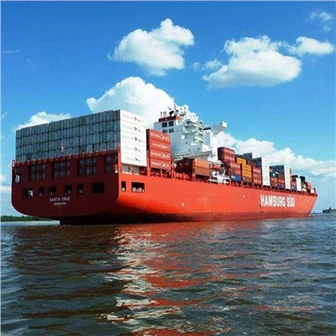
"By sea transportation" refers to the shipping of goods via maritime routes. This method is cost-effective for transporting large volumes of cargo globally. It utilizes cargo ships to deliver goods, offering an economical and efficient solution for international trade. With the ability to handle diverse cargo types, sea transportation is a key component of the logistics industry, ensuring the movement of goods across oceans and contributing to global commerce.
Product Introduction
Products Description
Sea transportation is a vital component of global logistics and international trade, facilitating the movement of goods across oceans. It involves the use of various types of ships, including container ships, bulk carriers, tankers, and more, depending on the nature of the cargo being transported.
Key Features:
Cost-Effective: Sea transportation is often more cost-effective for large volumes of goods, especially for long-distance or international shipments.
Versatility: It can accommodate diverse types of cargo, including containers, raw materials, machinery, and commodities.
Global Connectivity: Sea routes connect major ports worldwide, enabling extensive global trade and supply chain networks.
Environmental Impact: While shipping contributes to emissions, advancements in eco-friendly technologies aim to minimize the environmental impact of sea transportation.
Applications:
International Trade: Sea transportation is a primary mode for transporting goods between countries and continents, facilitating global trade.
Bulk Cargo: Ideal for transporting bulk commodities such as minerals, grains, and raw materials in large quantities.
Container Shipping: Commonly used for manufactured goods, electronics, and consumer products, with standardized containers for efficient loading and unloading.
Energy Transportation: Tankers transport oil, liquefied natural gas (LNG), and other energy resources across oceans.
Automobile Shipping: Vehicles are often transported via specialized ships designed for automobile transportation.
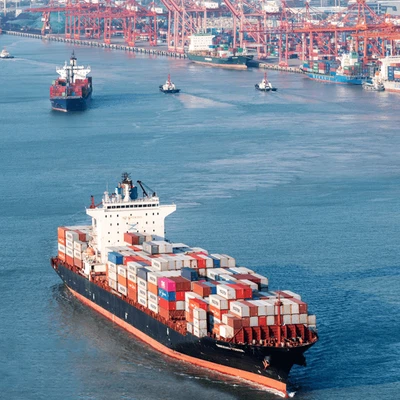
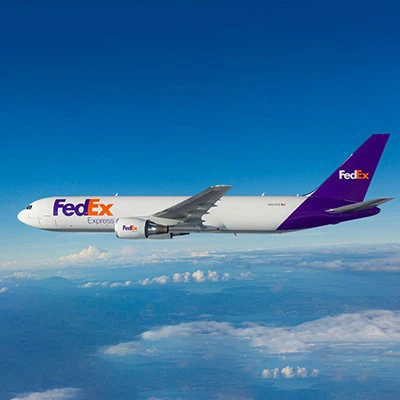
Freight display map

FAQ
Q1: What are the key advantages of choosing sea transportation for shipping goods internationally?
A1: Sea transportation offers cost-effective solutions for large cargo volumes over long distances. It is a versatile option accommodating various cargo types, contributing to the efficiency of international trade and logistics.
Q2: How does sea transportation contribute to global connectivity and the expansion of international trade networks?
A2: Sea routes connect major ports worldwide, providing an extensive network for global trade. This facilitates the movement of goods between countries and continents, fostering economic growth and collaboration on a global scale.
Q3: What types of cargo are commonly transported using sea transportation, and why is it suitable for these categories?
A3: Sea transportation is suitable for bulk cargo, such as minerals and raw materials, as well as containerized goods like electronics and manufactured products. Its adaptability to various cargo types makes it a preferred choice for transporting diverse commodities.
Q4: What challenges does sea transportation face, and how are they addressed within the industry?
A4: Challenges include potential delays due to weather conditions, longer transit times, and environmental concerns. The industry addresses these challenges through improved technology, weather monitoring systems, and ongoing efforts to enhance environmental sustainability in maritime transportation.
Hot Tags: by sea transportation, China by sea transportation, ocean forwarding, ocean freight transportation, sea freight service, air and sea freight, Ocean Freight Forwarding Company, sea freight
You Might Also Like


Send Inquiry
