

How to combine different modes of transportation in ocean freight logistics?
In the dynamic landscape of ocean freight logistics, the ability to combine different modes of transportation effectively is not just an advantage; it's a necessity. As a seasoned Ocean Freight Logistics provider, I've witnessed firsthand the transformative impact of strategic multimodal transportation on the efficiency, cost - effectiveness, and reliability of shipping operations. In this blog, I'll share insights on how to seamlessly integrate various transportation modes in ocean freight logistics.
Understanding the Basics of Multimodal Transportation in Ocean Freight
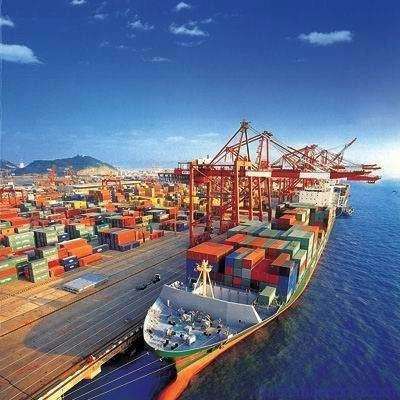
Multimodal transportation in ocean freight involves the use of two or more different modes of transport, such as ships, trucks, trains, and airplanes, in a single freight movement. This approach allows for the optimization of each mode's strengths while mitigating their weaknesses. For example, ships are ideal for long - distance, high - volume cargo transportation due to their large capacity and relatively low cost per unit. Trucks, on the other hand, offer flexibility and door - to - door delivery capabilities, especially for last - mile distribution. Trains are efficient for moving large volumes of goods over land, particularly across long distances, and airplanes provide the fastest delivery option for time - sensitive cargo.
Assessing Cargo Requirements
The first step in combining different modes of transportation is to thoroughly assess the cargo requirements. Factors such as the type of goods, volume, weight, dimensions, and delivery time frame play a crucial role in determining the most suitable transportation modes. For instance, perishable goods like fresh produce or pharmaceuticals may require a combination of air and sea freight to ensure timely delivery while maintaining product quality. On the other hand, bulky and non - perishable items such as construction materials can be transported primarily by sea and then transferred to trucks or trains for inland distribution.
Let's say you are shipping a large quantity of furniture From China To Germany. The furniture is not time - sensitive, but it is bulky and heavy. In this case, sea freight would be the primary mode of transportation. Once the cargo arrives at the German port, trucks can be used for local delivery to the final destination.
Selecting the Right Partners
Partnering with reliable carriers and logistics providers is essential for successful multimodal transportation. Look for partners with a proven track record in the specific modes of transportation you plan to use. For example, when choosing a sea freight carrier, consider their fleet size, shipping routes, transit times, and safety records. Similarly, for trucking or rail services, assess their network coverage, vehicle condition, and driver expertise.
At our Ocean Freight Logistics company, we have established long - term partnerships with leading carriers across different transportation modes. This allows us to offer our clients a comprehensive range of services and ensure seamless coordination between different legs of the journey.
Route Planning and Optimization
Route planning is a critical aspect of combining different modes of transportation. It involves identifying the most efficient routes based on factors such as distance, transit times, transportation costs, and potential bottlenecks. Use advanced mapping and logistics software to analyze different route options and select the one that best meets the cargo requirements.
For example, if you are shipping goods from Asia to Europe, you may consider different sea routes such as the Suez Canal or the Panama Canal. Each route has its own advantages and disadvantages in terms of distance, transit time, and toll fees. Once the sea route is determined, you need to plan the inland transportation routes for the cargo to reach its final destination. This may involve coordinating with local trucking or rail companies to ensure smooth transfer and delivery.
Documentation and Compliance
Multimodal transportation involves a complex web of documentation and compliance requirements. Ensure that all necessary documents, such as bills of lading, customs declarations, and insurance certificates, are prepared accurately and in a timely manner. Different transportation modes may have different documentation requirements, so it's important to stay informed and comply with all relevant regulations.

For LCL Sea Freight, which involves the consolidation of multiple shippers' cargo in a single container, the documentation process can be more intricate. Our team of experts at the Ocean Freight Logistics company is well - versed in handling all types of documentation and ensuring compliance with international shipping regulations.
Cost Management
One of the main benefits of combining different modes of transportation is cost savings. By leveraging the strengths of each mode, you can optimize the transportation costs while maintaining service quality. For example, using sea freight for long - distance transportation and trucks for short - distance distribution can be more cost - effective than relying solely on air freight.
However, it's important to conduct a detailed cost analysis to determine the most economical solution. Consider factors such as freight rates, fuel costs, handling fees, and potential surcharges. Negotiate favorable rates with your carriers and partners to minimize costs without compromising on service.
Risk Management
Multimodal transportation also comes with its own set of risks, such as delays, damage to cargo, and customs issues. Implement a comprehensive risk management strategy to identify, assess, and mitigate these risks. This may include purchasing cargo insurance, establishing contingency plans for potential disruptions, and closely monitoring the cargo's movement throughout the journey.
For example, if there is a strike at a port, you should have a backup plan in place to reroute the cargo or use alternative transportation modes. Our Ocean Freight Logistics company provides real - time tracking and monitoring services to keep our clients informed about the status of their cargo and to quickly respond to any issues that may arise.
Duty Clearance
Duty clearance is a crucial step in ocean freight logistics, especially when combining different modes of transportation across international borders. Ensure that you have a clear understanding of the customs regulations and requirements of the countries involved. Work with experienced customs brokers to handle the duty clearance process efficiently and avoid any delays or penalties.
Our company has a dedicated team of customs experts who can assist you with all aspects of duty clearance, from preparing the necessary documentation to communicating with customs authorities.
Continuous Monitoring and Evaluation
Once the cargo is in transit, it's important to continuously monitor and evaluate the performance of the multimodal transportation system. Track the cargo's movement in real - time, measure key performance indicators such as transit time, delivery accuracy, and cost, and gather feedback from your clients and partners. Use this information to identify areas for improvement and make adjustments to your transportation strategy as needed.
For example, if you notice that a particular route or carrier is consistently causing delays, you may consider switching to an alternative option. By continuously optimizing your multimodal transportation operations, you can improve efficiency, reduce costs, and enhance customer satisfaction.
Conclusion
Combining different modes of transportation in ocean freight logistics is a complex but rewarding endeavor. By following the steps outlined in this blog, you can create a seamless and efficient multimodal transportation system that meets the diverse needs of your clients. At our Ocean Freight Logistics company, we are committed to providing our clients with innovative and reliable logistics solutions. Whether you are shipping small parcels or large - scale cargo, we have the expertise and resources to handle your transportation needs.
If you are interested in learning more about our services or discussing your specific logistics requirements, please don't hesitate to reach out to us. We look forward to partnering with you and helping you achieve your business goals.
References
- Blumenfeld, D. E., & Sheffi, Y. (2003). The impacts of the September 11 attacks on the freight transportation system. Transportation Research Part A: Policy and Practice, 37(10), 871 - 885.
- Cullinane, K. P., & Toy, M. (2000). An analysis of the factors influencing the choice of freight transport modes in the United Kingdom. Journal of Transport Geography, 8(2), 101 - 112.
- Slack, B., & Comtois, C. (2006). The changing geography of container ports: a North American perspective. Journal of Transport Geography, 14(3), 187 - 197.