

What are the market trends for sea freight?
In the dynamic world of global trade, sea freight remains a cornerstone of international commerce, accounting for approximately 80% of the volume of global trade, as reported by the United Nations Conference on Trade and Development (UNCTAD). As an established Air Freight And Sea Freight supplier, I've witnessed firsthand the ebb and flow of market trends in sea freight. Understanding these trends is crucial for businesses aiming to optimize their supply chains, reduce costs, and stay competitive in the global marketplace. In this blog post, I'll delve into the key market trends shaping the sea freight industry today.
1. Technological Advancements
The sea freight industry is undergoing a significant technological transformation, driven by the need for greater efficiency, transparency, and sustainability. One of the most notable trends is the adoption of digital technologies, such as blockchain, artificial intelligence (AI), and the Internet of Things (IoT).
Blockchain technology is revolutionizing the way sea freight transactions are conducted by providing a secure, transparent, and immutable ledger of all shipping-related activities. This technology eliminates the need for paper-based documentation, reduces the risk of fraud, and streamlines the entire supply chain process. For example, Maersk and IBM have collaborated on a blockchain platform called TradeLens, which aims to digitize the global supply chain and improve the efficiency of sea freight operations.
AI and machine learning algorithms are being used to optimize shipping routes, predict demand, and manage inventory. These technologies can analyze vast amounts of data from various sources, such as historical shipping records, weather forecasts, and market trends, to provide real-time insights and recommendations. For instance, companies like Cargomatic and Flexport are using AI to match shippers with carriers, reducing empty miles and improving the utilization of shipping capacity.
The IoT is enabling the tracking and monitoring of cargo in real-time, providing greater visibility and control over the supply chain. Sensors can be installed on containers, vessels, and other equipment to collect data on temperature, humidity, location, and other parameters. This data can be used to ensure the safety and integrity of the cargo, as well as to optimize the transportation process. For example, companies like Trackmatic and Shippeo are using IoT technology to provide end-to-end visibility of shipments, allowing customers to track their cargo from origin to destination.
2. Sustainability Initiatives
In recent years, there has been a growing emphasis on sustainability in the sea freight industry, driven by increasing environmental concerns and regulatory requirements. Shipping companies are under pressure to reduce their carbon emissions, improve energy efficiency, and adopt more sustainable practices.
One of the key initiatives in this area is the development of alternative fuels, such as liquefied natural gas (LNG), hydrogen, and biofuels. These fuels have the potential to significantly reduce greenhouse gas emissions and air pollution compared to traditional fossil fuels. For example, Maersk has ordered a fleet of LNG-powered vessels, which are expected to reduce carbon emissions by up to 20% compared to conventional ships.
Another important trend is the use of more efficient ship designs and technologies. For instance, the development of hull coatings, propeller designs, and engine technologies can improve the fuel efficiency of ships and reduce their environmental impact. Additionally, the use of wind-assisted propulsion systems, such as sails and kites, is gaining traction as a way to reduce fuel consumption and emissions.
In addition to reducing emissions, shipping companies are also focusing on improving the sustainability of their operations in other areas, such as waste management, water conservation, and biodiversity protection. For example, some companies are implementing recycling programs on their vessels, reducing the use of single-use plastics, and supporting marine conservation initiatives.
3. Trade Policy and Geopolitical Uncertainty
Trade policy and geopolitical uncertainty have a significant impact on the sea freight industry, as they can affect the volume and direction of trade flows, as well as the cost and availability of shipping services. In recent years, there has been an increase in trade tensions between major economies, such as the United States and China, which has led to the imposition of tariffs and other trade restrictions.
These trade tensions have disrupted global supply chains and led to a shift in trade patterns. For example, some companies have moved their manufacturing operations from China to other countries in Southeast Asia, such as Vietnam and Thailand, to avoid the impact of tariffs. This has resulted in changes in the volume and direction of sea freight traffic, as well as the demand for shipping services in different regions.
Geopolitical uncertainty, such as political instability, conflicts, and natural disasters, can also have a significant impact on the sea freight industry. For example, the ongoing conflict in the Middle East has disrupted shipping routes and increased the risk of piracy and other security threats. Additionally, natural disasters, such as hurricanes, typhoons, and earthquakes, can cause damage to ports and other infrastructure, leading to disruptions in the supply chain.
4. Consolidation and Alliances
The sea freight industry has been undergoing a process of consolidation and alliances in recent years, as shipping companies seek to achieve economies of scale, improve efficiency, and enhance their competitiveness. Consolidation refers to the merger or acquisition of shipping companies, while alliances involve the cooperation between multiple shipping companies to share resources and services.
Consolidation in the sea freight industry has led to the emergence of a few large shipping companies that dominate the market. For example, the top three shipping companies in the world, Maersk, Mediterranean Shipping Company (MSC), and CMA CGM, control a significant share of the global container shipping market. These companies have the resources and scale to invest in new technologies, expand their networks, and offer a wider range of services to their customers.
Alliances, on the other hand, allow shipping companies to pool their resources and services to achieve greater efficiency and competitiveness. There are currently three major alliances in the container shipping industry: the 2M Alliance (Maersk and MSC), the Ocean Alliance (CMA CGM, COSCO Shipping, Evergreen Line, and Orient Overseas Container Line), and the THE Alliance (Hapag-Lloyd, ONE, Yang Ming, and HMM). These alliances enable shipping companies to share vessels, ports, and other resources, as well as to coordinate their schedules and pricing.
5. E-commerce and the Growth of Consumer Demand
The growth of e-commerce has had a profound impact on the sea freight industry, as it has led to an increase in the volume of consumer goods being shipped around the world. E-commerce platforms, such as Amazon, Alibaba, and eBay, have made it easier for consumers to purchase products from anywhere in the world, which has led to a significant increase in cross-border trade.
This growth in e-commerce has created new opportunities for the sea freight industry, as shipping companies are needed to transport the goods from the manufacturer to the consumer. However, it has also presented some challenges, such as the need to handle smaller and more frequent shipments, as well as the demand for faster and more reliable delivery services.
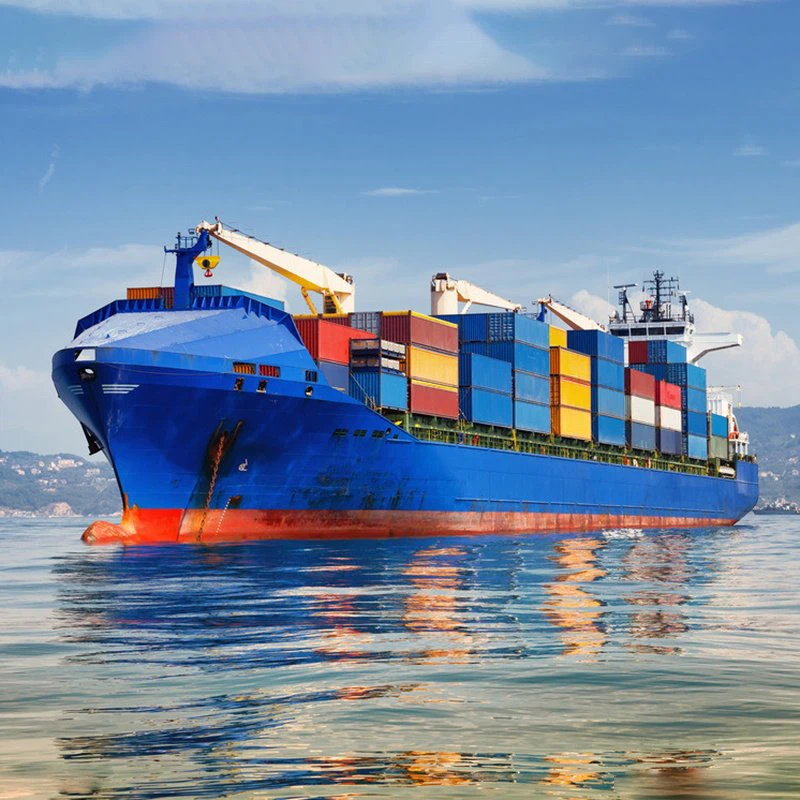

To meet the needs of e-commerce customers, shipping companies are investing in new technologies and services, such as last-mile delivery solutions, fulfillment centers, and inventory management systems. Additionally, some companies are partnering with e-commerce platforms to offer integrated logistics solutions, which can help to streamline the supply chain and improve the customer experience.
Conclusion
As an Air Freight And Sea Freight supplier, it's essential to stay ahead of these market trends to provide our customers with the best possible service and solutions. By leveraging technological advancements, adopting sustainable practices, navigating trade policy and geopolitical uncertainty, participating in consolidation and alliances, and meeting the needs of e-commerce customers, we can help our customers optimize their supply chains, reduce costs, and stay competitive in the global marketplace.
If you're interested in learning more about our Shipping Via Sea or Sea Freight Services, or if you have any questions about the market trends in sea freight, please don't hesitate to contact us. We'd be happy to discuss your specific needs and provide you with a customized solution. As an Ocean Freight Forwarding Company, we have the expertise and experience to handle all your sea freight requirements.
References
- United Nations Conference on Trade and Development (UNCTAD). (2020). Review of Maritime Transport 2020.
- Maersk. (n.d.). TradeLens. Retrieved from https://www.tradelens.com/
- Cargomatic. (n.d.). About Us. Retrieved from https://www.cargomatic.com/about-us/
- Flexport. (n.d.). How Flexport Works. Retrieved from https://www.flexport.com/how-it-works
- Trackmatic. (n.d.). Solutions. Retrieved from https://www.trackmatic.co.za/solutions/
- Shippeo. (n.d.). Our Solutions. Retrieved from https://www.shippeo.com/our-solutions/
- Maersk. (n.d.). Our Fleet. Retrieved from https://www.maersk.com/fleet
- Cargomatic. (n.d.). Blog. Retrieved from https://www.cargomatic.com/blog/
- Flexport. (n.d.). Blog. Retrieved from https://www.flexport.com/blog/
- Trackmatic. (n.d.). Blog. Retrieved from https://www.trackmatic.co.za/blog/
- Shippeo. (n.d.). Blog. Retrieved from https://www.shippeo.com/blog/