


Airline Freight Shipping
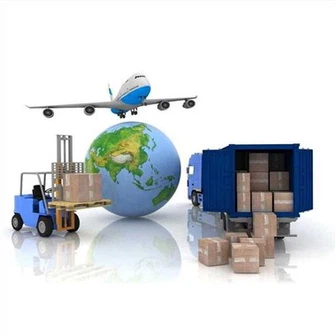
Air freight is another term for air cargo that is, the shipment of goods through an air carrier. Air transport services are the most valuable when it comes to moving express shipments around the globe.
Product Introduction
Jiaxing Heyuan Supply Chain Company is located in Jiaxing City, Zhejiang Province. It closes to Shanghai, Hangzhou and Ningbo, enjoying the unique natural environment advantages. We're a global supply logistics company, specialized in international air &sea shipping, import and export transportation, warehousing, customs brokerage, container trucking & bulk trucking etc. Our business covers more than 100 countries around the world mainly covers the United States, Europe, Canada, Australia, Middle East etc.
Shipment way by sea, At present, usually choosing Cosco / MSC / Maersk / ZIM / OOCL / CMA / YML / HPL etc.
Shipment way by air, At present, usually air flights have MU / CA / EK / QR / SV / HU / CX / TK / SQ etc.
Why Choose Us
Wide Range of Services
Our company is mainly engaged in shipping, air transportation, bulk carrier, warehousing, logistics and distribution of international and domestic goods, including cargo collection, charter, space booking, customs declaration and inspection, assembly, unpacking, transit, cargo insurance, inland transportation and consulting services.
One-stop Service
Our company can provide every customer with complete and considerate one-stop services, from consignment declaration, cargo booking, warehousing and consolidation to customs clearance inquiries. We can customize cargo transportation solutions according to customer needs, and our experienced staff can provide you with one-on-one butler service.
Rich Experience
With over 25 years' experience in the industry, we have the expertise to provide the right shipping solution to meet your needs. Our company has strong competitiveness in bulk cargo and container stowage with high-quality services and low freight rates.
Information Management
Through information network management, our company has established an operation guarantee system. We can achieve logistics information synchronization and positioning management of the entire transportation process. The status of the goods can be fed back to customers in real time via text messages and emails.

Air Freight to France offers rapid and dependable shipping solutions for businesses and individuals seeking to transport goods via air transport. With efficient logistics networks and experienced carriers, our services guarantee timely delivery of cargo to various destinations across France. Trust us for competitive rates, professional service, and peace of mind knowing that your shipments will reach their destination swiftly and securely.

Introducing our Air Cargo services to Indonesia: We offer efficient and reliable air freight solutions for your shipping needs to Indonesia. With our extensive network and experienced team, we ensure timely delivery and secure handling of your cargo. Whether it's small packages or large shipments, we provide tailored solutions to meet your requirements. Choose our Air Cargo services for fast and hassle-free shipping to Indonesia.
Air Freight To Mexico
Air freight to Mexico provides fast and efficient transportation solutions for various products, ensuring timely delivery to Mexican markets. With robust air cargo infrastructure and strategic flight routes, air freight offers reliable shipping options for perishable goods, electronics, automotive parts, pharmaceuticals, and more. Whether it's meeting urgent supply chain demands or reaching distant markets quickly, air cargo mexico facilitates seamless transportation, enabling businesses to expand their reach and meet customer expectations effectively.
Swift air freight services to Colombia ensure timely and efficient delivery of goods. With our extensive network and reliable carriers, we guarantee secure transportation, meeting diverse supply chain needs seamlessly.

Efficient air freight services to South Africa, ensuring swift and reliable delivery of goods. Our streamlined process and network of trusted carriers guarantee timely transportation, meeting your supply chain needs with precision and efficiency.
Air freight to Singapore: Fast, reliable shipping solutions for your cargo needs. Seamless logistics, timely deliveries, and competitive rates. Trust us for efficient transportation of goods to Singapore and beyond.
Air Cargo Philippines offers efficient and reliable air freight services throughout the Philippines. Our comprehensive solutions include timely delivery, secure handling, and competitive pricing. With a focus on customer satisfaction, we ensure seamless logistics for a wide range of cargo types, from perishable goods to oversized shipments. Experience hassle-free shipping with Air Cargo.
Introducing our Air Cargo services to Malaysia: We provide efficient and reliable air freight solutions for your shipping needs to Malaysia. With our extensive network and experienced team, we ensure timely delivery and secure handling of your cargo. Choose our Air Cargo services for fast and hassle-free shipping to Malaysia.

Introducing our Vietnam Air Cargo services! We provide fast, reliable, and efficient air freight solutions for shipping goods to and from Vietnam. With our extensive network, experienced team, and competitive rates, we ensure timely delivery and exceptional service for all your cargo needs. Experience seamless logistics with our air cargo vietnam services today!
What Is Airline Freight Shipping
Air freight is another term for air cargo that is, the shipment of goods through an air carrier. Air transport services are the most valuable when it comes to moving express shipments around the globe. Just like the commercial or passenger airlines, air freight flies in the same gateways.means the amount to be paid for the transportation of goods by air. When goods are shipped from one place to the other, the amount paid for the movement of the goods is called freight. Therefore, air freight means the charges paid for air transport.
Speed and reliability
The biggest advantage shippers gain when shipping air cargo is speed, which can be as fast as same-day delivery. This mode of transportation offers the fastest shipping times, as well as reliable arrival and departure times. For shippers who have time-sensitive cargo, such as perishables, an air-only or an ocean-to-air service (a Crowley program that combines ocean and air transport of perishable products from Central America to Asia and Europe via South Florida) might offer the best options.
Security
While airport security can be a hassle for those of us who fly, strict regulations and screenings benefit air freight shippers. Cargo receiving areas and air terminals are highly monitored and secure, limiting the risk of theft or damage. Additionally, there is minimal handling and less time required for transit.
Locations served
Even the most remote locations can be serviced by air. With a large operating footprint, airlines can provide air cargo services to nearly any location on the planet. Additionally, air cargo consolidators can provide bi-directional links between among many locations. This helps cargo move quickly and frequently.
Tracking
Most air freight service providers offer web-based tracking that allows you to check the real-time status of your cargo, from destination to arrival.
Cost of packaging
Because cargo is shipped in very lightweight packaging, there is reduced need for the packing materials and containers.
How to Choose Airline Freight Shipping
Speed: By shipping your cargo by air, you benefit from transporting goods over a long distance in a short period of time. When you ship goods via air, you also benefit from the connectivity between different countries and continents.
Reliability: As airlines operate regular schedules, it provides reliability for businesses that need guaranteed delivery times. Air travel is highly regulated meaning reliability is closely monitored too.
Flexibility: Due to the regular departures offered by airlines, an air freight solution offers real flexibility in terms of scheduling. This also applies to cargo that requires a connecting flight during the duration of the journey.
Global Connectivity: The sheer number of flight departures means freight can be shipped 24/7 to most locations around the world. Some of the world's most remote areas can be reached by air, making it an essential form of transport for many.
Inventory Cost Controls: With excellent transit availability, an air freight solution supports Just-In-Time (JIT) inventory management. This allows businesses to reduce their storage costs by receiving goods exactly when needed.
Tracking: All major airlines provide real-time air freight tracking, from the moment the aircraft takes off, to the moment it lands. This allows freight forwarders to accurately track air cargo shipments.
Security: The air freight industry is a highly sensitive and regulated sector. All air freight cargo must meet airport security criteria and be accompanied with the correct documentation. Strict security also reduces the risk of theft or damage to goods.
Cost-Effectiveness: While air freight can be more expensive compared to other modes, its speed may justify the air freight cost, especially for time-sensitive goods. Where goods are needed urgently, air freight is the preferred method of transport.
The Air Freight Shipping Procedure
How does an air freight shipment take place? What are the steps involved in this type of service? Let's take a panoramic view of the entire process.
Preparation and packaging of goods
Once the process is initiated, it is essential to properly package the goods to withstand the rigors of air transportation. Adhering to air cargo packaging requirements (i.A.T.A. Rules), including prohibitions on hazardous materials or perishable products, is crucial. Clearly label the packages with appropriate shipping information and handling instructions.
Booking and documentation
The company interested in the service must contact the air freight forwarder to initiate the booking process. They must provide shipment details, such as the type of goods, weight, dimensions, and destination. At this stage, the necessary documentation must be completed to ensure full compliance with international transportation regulations.
Customs clearance and security screening
The necessary documentation must be presented to the customs authorities for clearance, in addition to complying with international trade regulations and customs requirements. The air freight forwarder also ensures proper security screening of the goods and meets the required security standards.
Loading and transport of goods
The cargo is delivered to the designated airport or facility for loading onto the aircraft. All proper loading procedures are strictly followed to ensure the safe and protected positioning of the goods inside the aircraft.
Tracking and monitoring of air shipment
The air freight forwarder provides a tracking number to enable the company to monitor the status and location of the shipment in real-time. This ensures the ability to stay informed about any potential delays or receive constant updates on the progress of the shipment.
Arrival and delivery
Upon arrival at the destination airport, the goods undergo the necessary customs procedures. Once this stage is completed, the final delivery of the goods to the intended destination takes place.

What Delivery Services Does Air Cargo Provide
Airlines provide a range of services for air freight transportation, catering to different needs and priorities:
General Cargo: This option is the most economical, involving the loading of goods into the aircraft's "belly."
Priority Service (First Flight Out): Referred to as "first flight out" service, this ensures priority for time-sensitive shipments.
Over-the-Counter Service: In this approach, you can drop off your goods directly at the airline terminal for air freight.
Hand Carry Service: This is the most premium option, where an individual personally takes your package and accompanies it during the flight. Hand-carried air freight is typically reserved for documents, high-value shipments, and expensive goods.
Commercial Cargo: Distinct from passenger airline cargo, commercial cargo treats the entire plane as a cargo hold, essentially transforming it into a massive flying container.
Commercial cargo services accommodate large palletized cargo, boxes, vehicles, machinery, and at times, even animals. These services come in various sizes, ranging from small to medium to oversized shipments. These diverse services offered by airlines allow shippers to choose the most suitable and cost-effective option based on the nature, urgency, and value of their cargo.
How Air Freight is Calculated
Several factors influence the cost of air freight services, including financial conditions, social factors, and working expenses.
Financial Conditions
The cost of air freight is influenced by economic factors such as fuel prices, exchange rates, and market demand. Fluctuations in these conditions can impact air freight rates, affecting overall shipping costs for businesses.
Social Factors
Social factors such as geopolitical events, regulatory changes, and labour disputes can also influence air freight operations and pricing. These factors may disrupt supply chains, leading to delays or increased costs for businesses.
Working Expenses
Air freight carriers incur various operational expenses, including fuel, maintenance, labour, and infrastructure costs. These expenses contribute to the overall pricing structure of air freight services, reflecting the investment required to maintain reliable and efficient operations.
Transporting Wet Cargo by Air - 11 Precautions That Must Be Taken
Liquid or wet cargo
While dry cargo may seem like a straightforward shipping method, wet cargo can present unique challenges for airlines and shippers both in terms of airline operations and logistics. Wet cargo is any non-dangerous good that may create a hazard if it were to spill on other cargo or equipment during transport. Examples of wet cargo include perishables, fruits, vegetables, fish, meat, eggs and flowers. Transporting wet cargo requires additional precautions because of the potential damage that could occur if a spill occurs.
Limitations
Wet cargo must be packed as described below to prevent leakage in transport – the packaging must be designed to withstand the pressures encountered in air transport; i.E., provide resistance to water vapor pressure at the highest temperature expected during transport and provide structural stability at the lowest temperature expected during transport. The packaging must provide a minimum 0.5 cm (0.2 inch) separation between containers and inside the outer packaging. The packaging must have sufficient cushioning material to prevent breakage and deterioration due to shock or vibration during transport or handling.
When transporting wet cargo by air, either by airfreight or by air courier, there are several precautions that must be taken. These precautions are:
1. Never transport anything which is perishable, or which is likely to spoil on transfer from one place to another.
2. The cargo must be wet-proof, or in any case must never be exposed to rain or moisture during the transfer by air.
3. The cargo must be packed in watertight containers, and must also be properly protected from the elements.
4. The cargo must be packed in such a way that water can flow out of the container at a rate equal to that of water flowing in.
5. The cargo should be checked for off-gassing.
6. The cargo must never be packed in such a way that cargo contact or handling and sorting are likely to cause damage.
7. The cargo must be securely wrapped, and must not be susceptible to damage by rough handling.
8. The cargo must be protected from damage by rodents, insects, and other animals.
9. All packaging must be properly secured, and the package must be properly labeled.
10. The cargo must be accompanied by a packing declaration of compliance.
11. All packing must be of uniform size, and must not cause any hazard to aircraft operations.
What type of goods cannot be transported via air
Several categories of goods are typically prohibited from being transported via air due to their hazardous nature. These include, but are not limited to:
- Flammable liquids, gases, and solids
- Explosives and ammunition
- Radioactive materials
- Corrosive substances
- Toxic and infectious substances
- Magnetised materials
- Lithium batteries
- Perishable goods requiring strict temperature control
These items pose significant risks during air transportation and are therefore subject to strict regulations and restrictions.
Restricted air freight items
Air shipping regulations categorise certain items as hazardous freight or dangerous goods by air. These items pose risks to the safety of passengers, crew, and the aircraft itself. Hazardous materials such as flammable liquids, corrosive substances, and explosives are strictly regulated and often prohibited from being transported via air freight due to their potential to cause harm or damage. Examples of commonly restricted air freight items from each category can be found below:
Explosives: Including fireworks, flares, dynamite, and ammunition.
Gases: Such as compressed gases, aerosols, and flammable gases like propane and butane.
Flammable Liquids: Including gasoline, alcohol, acetone, and certain paints.
Flammable Solids: Such as matches, lighters, and certain types of powders.
Oxidising Substances and Organic Peroxides: Materials that can enhance combustion or cause fires.
Toxic and Infectious Substances: Including certain chemicals, pesticides, and infectious materials.
Radioactive Materials: Such as medical isotopes and certain laboratory materials.
Corrosive Substances: Including acids, alkalines, and certain cleaning agents.
Lithium Batteries: Lithium-ion and lithium-metal batteries are subject to strict regulations due to their potential fire risk.
Magnetised Materials: Certain magnetic materials can interfere with aircraft navigation systems.
Perishable Goods Requiring Strict Temperature Control: While not necessarily prohibited, perishable goods such as certain foods and pharmaceuticals may require special handling and temperature control during air transport.
Air Cargo Tariffs and Rules
Air freight tariffs encompass the fees charged by airlines for transporting goods on their aircraft. These tariffs detail the rates and regulations governing the movement of cargo between airports. It's important to remember that tariffs typically only cover the transportation itself, not additional services like customs clearance, pick-up, delivery, terminal handling, or storage. These additional charges may be outlined in the tariff but are often billed separately.
There are two main types of air freight tariffs:
General cargo tariffs: These tariffs apply to the vast majority of goods shipped by air. They outline the pricing structure based on factors like weight, dimensions, destination, and the type of service (e.G. Standard or expedited).
Specific cargo tariffs: Certain commodities, such as perishables, live animals, pharmaceuticals, valuables, or dangerous goods, may have their own unique set of regulations and pricing structures outlined in separate specific cargo tariffs.
An air cargo tariff document is a detailed document issued by individual airlines or airline associations that outlines the specific rates, rules, and regulations for shipping goods by air.
These documents can be lengthy and complex, often containing technical jargon and specific conditions. While most freight forwarders have access to and can interpret these documents for their customers, having a basic understanding of the information they contain can be helpful.
- Routes and destinations
- Rates
- Fuel surcharges
- Security fees
- Special service charges
- Prohibitions and restrictions
Whilst each tariff is different, there are some common charges you'll find on most bills. Here's a breakdown of some of the most common fees and charges you might encounter in air cargo tariffs:
Terminal handling charges: These fees cover the costs associated with loading and unloading cargo at the airport terminals.
Documentation fees: Charges may apply for processing paperwork such as airway bills, customs declarations, and other required documents.
Valuation charges: Airlines typically offer limited liability for lost or damaged cargo. For higher-value goods, you can declare a higher valuation for an additional fee. This additional valuation provides increased compensation in case of an issue.
Customs clearance fees: Charges associated with clearing your shipment through customs at the destination airport. These fees can vary depending on the complexity of the customs process and the value of the goods.
Delivery charges: The cost of delivering your shipment from the destination airport to its final destination. This can be arranged through the airline or a separate delivery service provider.
Unfortunately, providing specific international air freight rates per kg is difficult due to the numerous factors influencing the final cost, however, you can use our online quote tool to supply all of the relevant details, and we'll find the perfect solution for your cargo!
Understanding air cargo tariffs and rules is crucial for businesses getting involved in international trade. By familiarising yourself with the key factors influencing air freight costs and the resources available for obtaining quotes, you can make informed decisions about your air cargo shipments. Partnering with a reputable freight forwarder can provide valuable expertise in navigating air cargo regulations and ensuring your goods reach their destination efficiently and cost-effectively.
Irrespective of the goods you are shipping, it is worth noting that all cargo being shipped by air will undergo security screening. A mandatory fee is charged, and this is based on the weight of the goods being shipped but it can vary by airline. The scanning of cargo ensures any prohibited or dangerous goods are flagged prior to being loaded onto the aircraft.
FAQ
Hot Tags: airline freight shipping, China airline freight shipping, LCL Sea Freight, ocean forwarding, sea freight service, Air Freight Service, ocean logistics, air ride trucking company
You Might Also Like




Send Inquiry
