Exploring Examples Of Ocean Freight: From Containers To Bulk Cargo
In today's globalized economy, the movement of goods across oceans plays a pivotal role in international trade. Understanding the nuances of ocean freight, from containerized shipments to bulk cargo, is essential for businesses and consumers alike. Let's delve into the world of ocean freight to explore its various forms and significance in shaping global commerce.
Introduction to Ocean Freight:
Ocean freight, also known as sea freight, refers to the transportation of goods via cargo vessels across oceans and seas. It is one of the oldest and most cost-effective methods of international shipping, facilitating the movement of goods between continents and countries. Ocean freight encompasses a wide range of cargo types, each with its unique characteristics and logistical considerations.
Containerized Shipping:
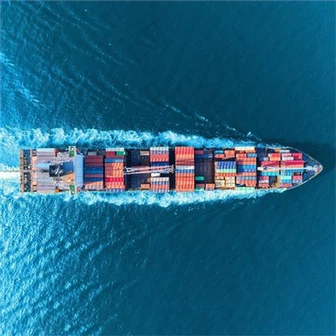
Containerized shipping is perhaps the most recognizable form of ocean freight. Standardized shipping containers, typically ranging from 20 to 40 feet in length, are loaded onto container ships and transported to their destination ports. These containers can accommodate various types of cargo, including manufactured goods, electronics, clothing, and consumer goods. The use of standardized containers streamlines the shipping process, enhances security, and enables efficient handling at ports worldwide.
Bulk Cargo Transport:
Bulk cargo transport involves the shipment of unpackaged commodities in large quantities, such as grains, ores, coal, petroleum, and chemicals. Unlike containerized shipping, bulk cargo is loaded directly onto vessels without individual packaging. Bulk carriers, specialized ships equipped with hatches and conveyor systems, transport bulk cargo in bulkheads or holds. This method is particularly cost-effective for transporting commodities with high volumes and low value per unit, such as raw materials and agricultural products.
Specialized Cargo:
In addition to containerized and bulk cargo, ocean freight encompasses specialized cargo categories tailored to specific industries and requirements. This includes:
Refrigerated Cargo (Reefer): Refrigerated containers are used for transporting temperature-sensitive goods such as fresh produce, seafood, pharmaceuticals, and chemicals. These containers are equipped with refrigeration units to maintain specific temperature conditions throughout the journey.
Roll-on/Roll-off (Ro-Ro): Ro-Ro vessels are designed to transport wheeled cargo, including cars, trucks, trailers, and heavy machinery. Vehicles are driven onto the ship at the origin port and driven off at the destination port, streamlining the loading and unloading process.
Project Cargo: Project cargo involves the transportation of oversized or heavy equipment for large-scale projects such as construction, infrastructure development, and energy projects. Specialized vessels and handling equipment are utilized to accommodate the unique dimensions and weight of project cargo.
Significance of Ocean Freight:
Ocean freight plays a critical role in facilitating global trade and supply chain management. It offers several advantages, including:
Cost-Effectiveness: Ocean freight is often more economical than air freight for transporting large volumes of goods over long distances.
Accessibility: Ocean routes connect major ports worldwide, providing access to remote regions and landlocked countries.
Sustainability: Compared to air freight, ocean freight has a lower carbon footprint, making it a more environmentally sustainable shipping option.
Reliability: Despite longer transit times, ocean freight offers reliability and predictability in scheduling, allowing businesses to plan their supply chains effectively.
Conclusion:
From containerized shipments to bulk cargo and specialized freight categories, ocean freight encompasses a diverse array of cargo types and logistical challenges. Understanding the intricacies of ocean freight is essential for businesses and industries engaged in international trade. As global commerce continues to expand, the importance of ocean freight in facilitating the movement of goods across borders remains paramount.