How Long Does It Take To Ship From China To Brisbane?
With the continuous expansion of global trade and the increasing complexity of supply chain management, international logistics and transportation have become the focus of attention in various industries. For many companies and individuals, shipping goods from China to Brisbane, Australia involves not only transportation costs, but also delivery cycles and market response speed. Different modes of transportation, logistics companies, customs procedures and seasonal factors will affect the timeliness of transportation. This article will systematically analyze the key factors of the time required for transportation from China to Brisbane, introduce the timeliness characteristics of sea transportation, air transportation, express delivery and integrated transportation solutions, and explore how to optimize logistics processes to shorten transportation cycles, providing authoritative and detailed references for corporate decision-making and cross-border trade.
Contents
1. Overview of transport modes
1.1 Basic characteristics of sea transport, air transport and express delivery
1.2 Application background of integrated transport solutions
1.3 Comparison of time efficiency of different transport modes
2. Sea transport from China to Brisbane
2.1 Analysis of sea transport process
2.2 Average transport time efficiency and influencing factors
2.3 Analysis of major ports and routes
2.4 Advantages and limitations of sea transport
3. Air transport from China to Brisbane
3.1 Air transport process and related links
4. Express and door-to-door transport solutions
4.1 Introduction to express transport mode
5. Key factors affecting transport time efficiency
5.1 The impact of customs clearance and customs procedures on transport time
6. How to optimize the transportation process and shorten the transportation time
6.1 Preliminary preparation and order management
1. Overview of transportation methods
1.1 Basic characteristics of sea transportation, air transportation and express delivery
In international logistics transportation, sea transportation, air transportation and express delivery each have their own advantages and limitations.
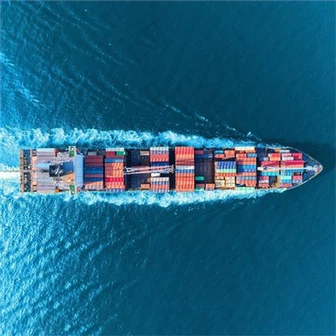
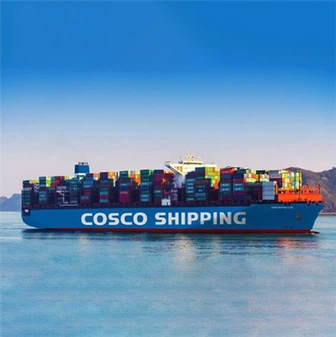
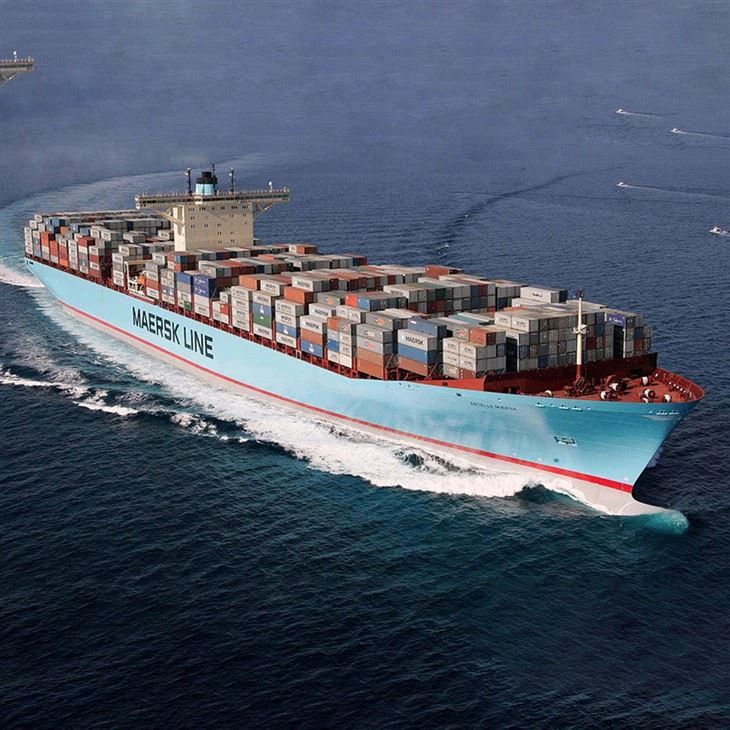
Sea transportation: As the most commonly used mode of transportation for bulk goods, sea transportation has the characteristics of low transportation cost and large capacity, but the transportation cycle is relatively long.
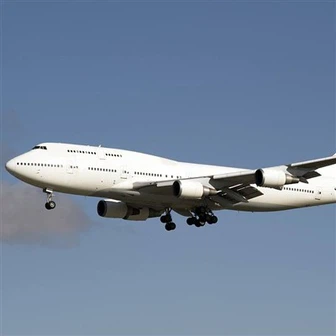
Air transportation: Known for its fast speed, it is suitable for urgent and high-value goods, but the cost is high and the transportation volume is limited.
Express delivery: Usually relying on a comprehensive transportation network to achieve door-to-door delivery, it has both speed and convenience, and is suitable for small and medium-sized goods and cross-border e-commerce orders.
1.2 Application background of integrated transportation solutions
In recent years, in order to meet the dual requirements of timeliness and cost for cross-border trade, the logistics industry has developed a variety of integrated transportation solutions. Integrated transportation solutions usually combine sea transportation with air transportation, express delivery and other modes. Through the seamless connection of different transportation links, it not only ensures the overall transportation efficiency, but also can flexibly respond to various emergencies.
1.3 Comparison of timeliness of different transportation modes
In general, the transportation time from China to Brisbane varies depending on the selected transportation mode:
Sea transportation: Generally takes about 25 to 40 days, depending on the shipping port, route arrangement and customs clearance.
Air transportation: In most cases, the transportation time is between 3 and 7 days, but the take-off, landing, transshipment and customs clearance time must be considered.
Express delivery: Depending on the service provider and logistics network, door-to-door transportation generally takes 5 to 10 days.
This diverse timeliness selection allows customers to find the best balance between cost and time according to their specific needs.
2. Ocean transport from China to Brisbane
2.1 Analysis of ocean transport process
As the main mode of bulk cargo transportation, ocean transport usually includes the following links:
Cargo collection: Cargo is packed in boxes at domestic production sites or warehouses.
Customs declaration and packing: After the customs declaration is passed, the goods are loaded into containers.
Container transportation: The container is transported to the loading port by truck or rail.
Loading and sailing: After the container is loaded on the ship, it starts sailing and passes through several transit ports.
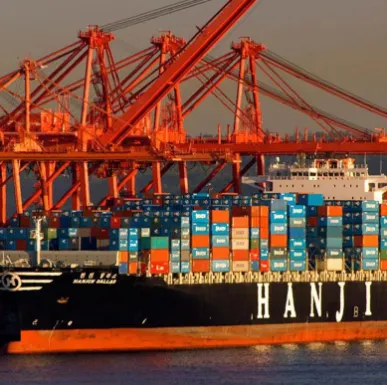
Unloading and customs clearance at the port: After arriving at the Port of Brisbane, the goods are unloaded, declared and cleared.
Inland distribution: After customs clearance, the goods are delivered to the final destination by land transportation.
2.2 Average transportation time and influencing factors
Generally speaking, the ocean transportation time from major ports in China (such as Shanghai, Shenzhen, Ningbo) to Brisbane via direct or transit is usually between 25 and 40 days. The specific time efficiency is affected by the following factors:
Port distance and route arrangement: The distance between the departure port and the destination port, direct voyage or transit directly affect the transportation time.
Ship schedule: The dispatch cycle, cargo capacity and scheduling plan of different shipping companies may lead to waiting time.
Weather and sea conditions: Bad weather and sea conditions may cause ship delays, which in turn affect the transportation time.
Customs clearance and transshipment: The efficiency of transit transshipment and customs clearance procedures at the destination port will also have an important impact on the overall transportation time.
2.3 Analysis of major ports and routes
From China, the commonly used container shipping ports are Shanghai, Shenzhen, Ningbo, etc. Brisbane, as one of the important ports in Australia, has an efficient loading and unloading and customs clearance system. Direct routes generally pass through the South China Sea, Indonesian waters and the Tasman Sea, and some routes will stop in New Zealand or other transit ports. The time efficiency of different routes will vary to a certain extent, but in general, direct flights are faster than transit.
Direct flights: Direct sailing schedules are relatively fixed, suitable for cargo transportation with high time efficiency requirements.
Transshipment: Although transshipment may reduce transportation costs, the waiting time is long, which is suitable for goods with low timeliness requirements.
2.4 Advantages and limitations of sea transportation
The biggest advantage of sea transportation is its low transportation cost and large volume, which is suitable for bulk commodities and long-distance transportation. However, its limitations are also obvious:
Long transportation cycle: The longer voyage and transit links make the overall transportation time longer than air transportation.
Affected by weather: Maritime transportation is easily affected by bad weather, sea conditions and force majeure.
Complicated customs clearance procedures: Maritime cargo involves multiple links and departments, and customs clearance time is sometimes difficult to predict.
3. Air transportation from China to Brisbane
3.1 Air transportation process and related links
Air transportation is mainly for high-value and time-sensitive goods, and its transportation process generally includes:
Cargo collection and packaging: Ensure that the goods are safely packaged and meet air transportation requirements.
Customs declaration and delivery to the airport: After customs declaration, the goods are sent to the designated airport and enter the air transportation process.
Air transport: direct or transit transport to the destination airport through airlines.
Arrival customs clearance and distribution: After completing customs clearance at the destination airport, the goods are delivered to the final destination by land or express delivery.
3.2 Air transport time and key factors
The air transport time is roughly between 3 and 7 days, which has obvious time advantages compared to sea transport. However, its transportation time is also affected by the following factors:
Flight arrangement: direct flights are usually fast, while transit flights require additional transit time.
Airport processing speed: The customs declaration, security inspection and loading and unloading efficiency at the departure and arrival airports are directly related to the transportation time.
Weather and aviation control: Air transportation is easily affected by factors such as bad weather and airport control, and delays may occur.
Cargo weight and size: Airlines have restrictions on the weight and volume of cargo, and the excess may require special processing, which will extend the transportation time.
3.3 Cost, capacity and time trade-off
Air transportation has a significant advantage in time efficiency, but the cost is high and the volume is limited. For some high-value, time-sensitive goods, air transport is the best choice; however, for bulk low-value goods, air transport costs may increase significantly. Therefore, enterprises need to weigh time and cost when choosing a mode of transport.
3.4 Application of air transport in emergency transport
In emergency situations, such as new product launches, emergency replenishment or emergency handling, air transport can ensure that goods arrive quickly, reducing market vacancies and losses. Many multinational companies and e-commerce platforms also rely on air transport to cope with emergency orders and peak logistics pressure.
4. Express and door-to-door transportation solutions
4.1 Introduction to express transport mode
Express transport usually refers to door-to-door service provided by professional express companies. This mode is suitable for small and medium-sized goods and cross-border e-commerce orders. Its main features include:
Door-to-door delivery: one-stop service from shipment to receipt, simplifying the user operation process.
Shorter time: Generally, the cross-border express delivery time is between 5 and 10 days.
Convenient operation: Users can track logistics information in real time through the APP and grasp the status of the goods.
4.2 Timeliness, price and applicable scenarios
Express delivery is slightly slower than air transport, but it has advantages in cost and service convenience. It is suitable for orders that have certain requirements for timeliness but are cost-sensitive. Cross-border e-commerce platforms and small and medium-sized enterprises often choose express delivery to achieve a balance between efficient delivery and low operating costs.
4.3 Requirements for cross-border e-commerce on transportation timeliness
With the rise of cross-border e-commerce, consumers' requirements for international logistics timeliness are constantly increasing. Logistics companies have improved their distribution networks and service models, and achieved diversified transportation solutions by integrating sea, air and express delivery to ensure the best balance between price, timeliness and service.
4.4 Technical upgrades and challenges of express logistics
At present, express logistics is in the stage of digital and intelligent transformation. Using big data, the Internet of Things and artificial intelligence technologies, logistics companies can monitor and optimize the entire transportation process in real time. However, cross-border transportation still faces challenges such as customs clearance, different international transportation standards and differences in regulatory policies in multiple countries, and it is necessary to continuously optimize technology and processes.
5. Key factors affecting transportation time
5.1 The impact of customs clearance and customs procedures on transportation time
No matter which mode of transportation is chosen, customs clearance and customs procedures are important links in determining the overall transportation time. The processes of customs declaration, quarantine, and payment of tariffs may vary greatly in different countries and ports. Delays in any link will directly affect the overall transportation time. Preparing all necessary documents in advance and cooperating with professional customs declaration companies are effective measures to shorten customs clearance time.
5.2 Seasonal fluctuations and port congestion
There are obvious seasonal fluctuations in the global transportation market. Holidays, peak seasons and specific economic cycles can lead to port congestion and logistics delays. Especially during the peak season, the capacity of flights and ships is tight, and the speed of port operations is reduced, which may cause significant delays in transportation time.
5.3 Documents, insurance and transportation safety management
International transportation involves complex document procedures, including bills of lading, commercial invoices, packing lists, etc. Any missing or incorrect documents may lead to customs clearance delays. At the same time, appropriate transportation insurance and safety management measures can not only ensure the safety of goods, but also reduce economic losses in unexpected situations. Ensuring that all documents are complete and insurance is in place is a prerequisite for ensuring smooth transportation.
5.4 Selection of logistics companies and transportation channels
Different logistics companies have different service quality, network coverage and transportation channels, which directly affect the transportation time. Choosing a logistics company with rich international transportation experience and a complete service network can significantly improve the overall transportation efficiency. In addition, different transportation channels (direct flights, transit, express delivery) also need to be reasonably selected according to specific needs.
6. How to optimize the transportation process and shorten the transportation time
6.1 Preliminary preparation and order management
The optimization of the transportation process must first start with preliminary preparation, including:
Plan order time in advance: estimate the time required for production, packaging and transportation, and avoid delays caused by temporary scheduling.
Improve logistics documents: ensure that all customs declaration and transportation documents are complete and accurate, and reduce customs clearance delays caused by document problems.
Keep in touch with logistics suppliers: obtain flight, ship schedule and other information in a timely manner, and arrange the shipping plan reasonably.
6.2 Recommendations on the selection of logistics service providers and channels
Choosing the right logistics service provider is the key to improving transportation timeliness:
Evaluate service quality and reputation: Refer to historical transportation data, customer feedback and service cases, and choose a logistics company with a good reputation.
Multi-channel integration: According to the characteristics of the goods and timeliness requirements, choose the most suitable transportation method such as direct flights, air transportation or express delivery.
Sign a long-term cooperation agreement: Establishing a long-term cooperation relationship with logistics suppliers will help to obtain more favorable prices and priority services.
6.3 Information management and real-time monitoring system
Modern logistics management relies on information technology to achieve full-process monitoring and scheduling:
Introduce a logistics management system (LMS): Real-time tracking of cargo transportation status and timely detection of abnormal situations.
Data analysis and prediction: Optimize transportation routes and adjust scheduling plans through big data analysis to prevent transportation delays in advance.
Cloud platform and mobile terminal: With the help of mobile devices and cloud platforms, remote monitoring and instant response are achieved to improve transportation efficiency.
6.4 Case sharing: Successful experience in shortening transportation cycle
Many companies have significantly shortened the transportation cycle by optimizing logistics processes. After planning orders in advance, completing customs declaration documents and selecting high-quality logistics service providers, a multinational electronic product manufacturer shortened its transportation cycle from China to Brisbane from 40 days to about 30 days; another cross-border e-commerce platform successfully avoided transportation delays caused by port congestion by introducing a real-time monitoring system and intelligent scheduling. These successful cases show that scientific process management and technical support play a significant role in improving transportation timeliness.