How To Transport Batteries?
In the era of rapid technological change, batteries, as the core carrier of energy, are widely used in all aspects of life. From our smartphones and tablets, to the electric cars that lead the transportation revolution, to the energy storage systems that support large power grids, batteries are everywhere. With the explosive growth of demand for batteries in various fields, the importance of their transport links has become increasingly prominent, becoming a key link between production and application. With its profound accumulation and professional insight in the field of logistics, Heyuan Supply Chain deeply understands the significance of safe and efficient transportation of batteries, and today will analyze the core points of battery transportation in a comprehensive and deep level for you.

1. Why does battery transport need special treatment
The battery contains powerful chemical energy, which can easily lead to a series of dangerous conditions under certain improper conditions. Once the treatment is slightly wrong, it may trigger the thermal runaway phenomenon, which can lead to catastrophic fire and even explosion accidents. Such dangerous triggers usually include physical damage to the battery, such as severe impact, extrusion resulting in the battery shell rupture, internal structure damage; Or there is a short circuit inside the battery, which may be due to defects in the battery manufacturing process, electrode material displacement during use and other reasons.
The implications of these potential dangers are widespread and serious. First of all, the fire and explosion caused by the battery are undoubtedly a huge threat to the life of the transport personnel in direct contact. During the transportation process, if the battery suddenly catches fire or explodes, the transportation personnel are often the first to bear the brunt and may suffer serious injuries such as burns and explosions. Secondly, if a battery fire occurs during transportation, the disaster may spread rapidly for large transportation vehicles such as aircraft and ships carrying transportation tasks. When the aircraft is flying at a high altitude, once the small cargo space is attacked by the flame, the fire is easy to get out of control, which may cause damage to the aircraft structure and endanger the life safety of the entire personnel, and finally have to take the extreme measure of emergency landing; The ship is sailing on the vast sea, and the battery fire may quickly spread to the entire cargo hold, which will not only cause damage to a large number of goods, but also may cause the ship to lose its navigation ability and face the risk of grounding and sinking. At the same time, after the battery fire and explosion, the emergency personnel who rushed to the scene may also suffer serious personal injury due to the dangerous fire and unstable explosion risk.
In view of these incalculable potential risks, all types of batteries are explicitly classified as dangerous goods in the global transport sector. Among them, the common lithium batteries are accurately classified as Class 9 dangerous goods, while other types of batteries, such as lead-acid batteries, nickel-cadmium batteries, etc., are also classified into different danger categories according to their characteristics and potential danger degree. This classification means that whenever battery transport is involved, both the transport company and the relevant personnel must adhere to a strict set of regulations around packaging, labelling, quantity restrictions, personnel training and incident reporting. These regulations are like a solid line of defense, designed to minimize the risk during battery transportation, to ensure the safety of personnel, the integrity of goods and the safe operation of transport vehicles.

2. Available modes of transport and corresponding regulations
With the rich resources and extensive network accumulated for many years in the logistics industry, Heyuan Supply Chain can provide diversified transportation options for battery transportation. In the modern logistics system, batteries can be transported mainly by air, sea, road and rail four main modes of transport. However, it is important to note that each mode of transport has unique and strict regulations and requirements due to its different transport environment, conditions and risk characteristics.
Air transport: In the field of air transport, where speed is Paramount, battery transport must strictly follow the IATA Dangerous Goods Regulations and the IATA Lithium Battery Transport Regulations (LBSR). The aircraft flies at a high altitude, the surrounding environmental pressure, temperature and other conditions are completely different from the ground, and once the danger occurs, the rescue is extremely difficult. Therefore, air transport has very strict requirements for battery packaging integrity and power limit. For example, in order to prevent the battery from short circuit or thermal runaway due to air pressure changes, vibration and other factors during flight, the package must have extremely high sealing and impact resistance; At the same time, the battery power is strictly controlled to ensure that the battery is in a relatively safe energy state during transportation.
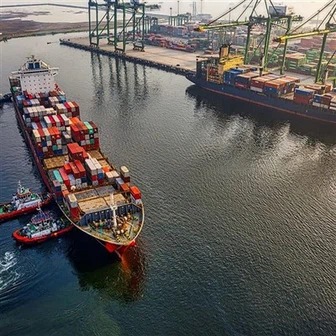
Sea transport: As the main force carrying the global bulk cargo transport, sea transport in terms of battery transport in accordance with the International Maritime Dangerous Goods Code (IMDG) implementation. Sea transport is usually a long journey, the battery needs to spend a long time in a relatively closed and wet cargo hold environment. This requires that the battery packaging should not only have good protective performance to prevent collision damage during loading and unloading, but also have excellent moisture-proof and rust-proof capabilities to ensure that the battery always maintains a stable performance state during long-term maritime transportation. In addition, for different types of batteries with different risk levels, there are also detailed and strict regulations on the stacking position and isolation requirements in the cargo hold to prevent the expansion of the danger scope in the event of an accident.
Road: Road transport plays an important role in battery transport because of its flexibility and wide accessibility, but it also needs to be strictly implemented in accordance with the International Agreement on the Carriage of Dangerous Goods by Road (ADR). During road transportation, batteries may face risks such as bumpy road conditions and vehicle collisions. Therefore, the packaging requirements for batteries focus on vibration and extrusion resistance. At the same time, transport vehicles must be equipped with appropriate emergency equipment and protective measures, transport personnel also need to be professionally trained and familiar with the methods and processes of coping with battery emergencies during road transport.
Railway: With its large volume and relatively stable characteristics, railway transport also plays an important role in battery transport, and its transport regulations are based on the International Transport of Dangerous Goods by Rail Regulations (RID). Although railway transportation is relatively stable, there may be some vibration and collision during train formation, disassembly and operation. Therefore, when the battery is transported by rail, the packaging also needs to have good protective performance. Moreover, railway transportation involves the transfer and handover of multiple stations, and the requirements for documentation and information transmission of battery transportation are more rigorous, so as to ensure that the information of the battery can be accurately and timely transmitted to the relevant personnel in each link during the entire transportation process.

3. Preparation before transportation
3.1 Packaging
When preparing for battery transportation, Heyuan Supply Chain always puts safety first, and will first carefully study the safe transportation recommendations provided by the battery manufacturer. The manufacturer's advice, based on an in-depth understanding of battery characteristics, production processes and potential risks, is an important basis for ensuring the safe transport of batteries.
The battery needs to be packed in an inner package that can completely wrap it, such as a fiberboard box. The fiberboard box has a certain flexibility and cushioning performance, which can absorb the vibration during transportation to a certain extent, and its material can effectively isolate the positive and negative electrodes of the battery to prevent short circuit caused by external factors.
The inner packaging must be placed in a strong outer packaging, such as wooden, fiberboard or metal boxes are proven ideal choices. The wooden box has high strength and impact resistance, which can provide reliable physical protection for the battery when it is hit by external force; The fiberboard box has a light weight while ensuring a certain strength, which is easy to handle and load and unload; The metal box has excellent anti-extrusion and fire performance, and for some high energy density and high risk batteries, the metal box is a more suitable packaging choice. The role of these outer packaging is to provide a full range of anti-impact and anti-crush protection for the battery, ensuring that the battery can maintain maximum integrity no matter what external forces are encountered during transportation.
For lithium batteries, due to its more active chemical properties, in addition to the internal and external packaging, it is also necessary to fill enough buffer materials. Common buffer materials such as foam, bubble film, etc., can effectively buffer vibration and collision during transportation, and avoid internal structural damage or short circuit of lithium batteries due to excessive external impact. In addition, the buffer material can also play a certain role in heat insulation to prevent the lithium battery from being caused by excessive temperature during transportation.
Packaging must be tightly sealed, which is essential to prevent electrolyte overflow. The electrolyte is usually corrosive and volatile, and once spilled, it may not only cause damage to the battery itself, but also cause pollution and harm to the surrounding environment and other goods. Heyuan Supply Chain will use professional sealing technology and materials in the packaging process to ensure the sealing of the package. At the same time, once the packaging is perforated, torn and other damage, no matter how small the damage is, the packaging is immediately judged to be no longer suitable for battery transport and must be replaced to eliminate any potential safety hazards.
The battery must be kept upright during transportation because the structural design and electrolyte distribution inside the battery are optimized based on the upright state. If the battery is tilted or inverted, the electrolyte flow may be uneven, resulting in a dangerous situation such as short circuit. In addition, the battery also needs to be separated from unnecessary heat sources, and the high temperature environment is one of the important factors that lead to the thermal runaway of the battery. During the transportation process, the stacking position of the battery will be reasonably planned to ensure that it is away from the engine, heating equipment and other objects that may generate heat sources, creating a safe and stable transportation environment for the battery.
3.2 Label Link
Heyuan Supply Chain knows the importance of the label in battery transportation, which is like a safety indicator light in the transportation process, and can provide key information for operators in all aspects. Therefore, we strictly adhere to the general labelling guidelines for all battery packaging.
The outer container must be marked with clear UN number and correct shipping name, such as UN 3480, lithium ion battery, etc. The UN number is the international code for the unified identification of dangerous goods, through this number, transport personnel around the world, regulatory agencies, etc., can quickly identify the dangerous nature and category of goods; The correct transport name further clarifies the specific type of battery and helps operators take appropriate safety measures according to the characteristics of different batteries. At the same time, the outer box also needs to post eye-catching hazard labels, these labels use specific colors, patterns and text, can intuitively convey the danger of the battery to people, to remind the operator to maintain a high level of vigilance in the process of handling, storage, etc.
To prevent label damage caused by condensation, laminated labels are used. Condensation may occur on the surface of the package during transportation, especially in transportation modes involving large temperature and humidity changes such as sea and air transportation. Common labels are fuzzy or fall off in humid environments, resulting in information loss. The surface of the laminated label is covered with a protective film after special processing, which can effectively resist the erosion of condensed water and ensure that the label information is always clear and complete.
In particular, do not attach the battery transport label to the removable package, so as not to lose or damage the label during transport, resulting in unknown information. Removable packaging may be removed or replaced during transportation for various reasons, if the label is attached to it, once this happens, subsequent operators will not be able to obtain the key information of the battery, thus unable to take the correct safety measures, greatly increasing the transportation risk.
It should be noted that packaging and labeling guidelines will vary depending on the mode of transport of the battery, such as transport with the device, transport within the device, independent transport, etc., have their own corresponding detailed requirements. Heyuan Supply Chain will accurately implement the corresponding packaging and labeling standards according to the specific mode of transportation and battery status, to ensure that every transportation link is in line with safety regulations.

4. Transport required documents
When transporting batteries internationally, the preparation of documents is like the cornerstone of building a security building, and each document carries indispensable information that is crucial to ensuring safety and compliance in transportation. In the battery transportation business, Heyuan Supply Chain has always strictly prepared the following types of documents with a rigorous attitude.
Dangerous Goods Declaration (DGD) : This is an important document that details the key information of the cargo, including UN number, shipping name, danger class, package type and quantity. This information is like a precise key, which can help personnel in all aspects of the transportation process quickly understand the dangerous characteristics, packaging conditions and transportation scale of the battery, so as to provide a basis for the development of appropriate safety measures and operational processes. Whether at the place of shipment, transit or destination of the goods, the dangerous goods declaration form is a key document for inspection by customs, security and other departments to ensure that the transportation behavior meets the requirements of regulations.
Emergency response information: provides carriers with detailed handling guidance in the event of battery damage, leakage, fire and other emergencies. The document is like a crisis manual, containing information on specific steps to take in an emergency, emergency equipment to use, and relief agencies to contact. By developing and providing emergency response information in advance, carriers are able to act quickly and effectively in the first instance of danger to minimize loss and harm.
Material Safety Data Sheet (MSDS) : Covers comprehensive product information, hazards, and battery shipping guidelines. It describes in detail the chemical composition, physical characteristics, possible hazards and corresponding protective measures of the battery. By studying MSDS, transportation personnel can fully understand the characteristics of the battery, prepare for protection in advance, and avoid dangers caused by improper operation during transportation. At the same time, in the event of an accident, MSDS can also provide rescuers with critical information to help them choose the right rescue method and extinguishing agent.
Shipping documents: For the transportation of lithium batteries, clearly specify the UN number, shipping name, danger class, packaging class and total quantity. Due to the wide application of lithium batteries and their special dangers, more accurate information recording and transmission are required during transportation. This transportation document can ensure that in the entire transportation chain, each participant can clearly understand the specific situation of lithium batteries, so as to operate in strict accordance with relevant regulations to ensure transportation safety.
Pilot Notice: If air lithium batteries are used, written information about the presence and location of lithium batteries must be provided to the pilot. While the plane is in flight, the cockpit personnel need to be fully aware of the cargo in the cargo hold, especially the potentially dangerous cargo like lithium batteries. The pilot notification allows the pilot to know the transportation information of the lithium battery in advance, predict the possible risks during the flight, and take appropriate countermeasures in case of emergency to ensure flight safety.
Packaging certification: Documentation is provided to verify that packaging meets regulatory performance standards. This is an official recognition of whether the battery packaging has sufficient safety protection performance. Packaging certification documents can prove that the packaging used in the design, material selection and manufacturing process are in line with the requirements of relevant regulations on battery transport packaging, to ensure that the packaging can effectively protect the battery during transportation and prevent safety accidents caused by packaging problems.
Battery Test Summary: For defective or damaged lithium batteries, documentation is required to prove that they have been tested and comply with shipping requirements. This type of special battery has a higher risk during transportation, so it needs to be rigorously tested by a professional testing organization to ensure that it will not cause danger during transportation. The battery test summary records the battery test items, test results and evaluation conclusions in detail, which provides a safety basis for the transportation of this special battery.