Logistics Costs From China To The United States?
Table of contents
2. Composition of logistics costs
3. Factors affecting logistics costs
4. How to reduce logistics costs
5. Fluctuation of logistics costs from China to the United States

The logistics cost from China to the United States is an important issue that many companies and individuals are concerned about when conducting international trade. With the continuous development of the global economy, the demand for international logistics is increasing. Understanding the composition of logistics costs and its influencing factors is of great significance to ensure the rationality of transportation costs. The following will discuss the logistics costs from China to the United States from several aspects.
2. Composition of logistics costs
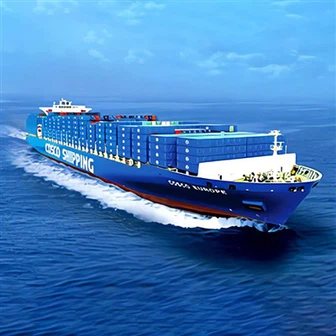
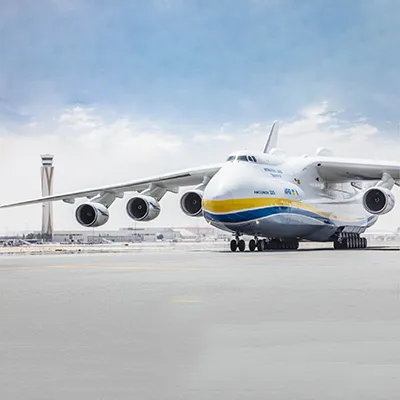
1. Transportation costs: This is the most important part of logistics costs, usually accounting for a large proportion of the total cost. Transportation costs include sea, air and land transportation. Sea transportation costs are generally lower, but the transportation time is longer, which is suitable for bulk commodities or non-urgent goods; although air transportation costs are higher, the transportation speed is fast, which is suitable for urgent goods. The choice of transportation method should be determined according to the characteristics of the goods, timeliness requirements and budget.
2. Insurance costs: During international transportation, goods may face various risks, such as damage, loss, etc. Insurance is very important. Insurance costs are usually calculated based on factors such as the value of the goods, the mode of transportation and the destination. Insurance can effectively reduce potential loss risks and protect one's own interests.
3. Customs clearance costs: International logistics involves customs procedures. Customs clearance costs refer to the various fees that need to be paid during the import and export process. This includes customs duties, inspection and quarantine fees, agency service fees, etc. Customs clearance costs vary depending on the type, value and destination of the goods.
4. Storage costs: During the logistics process, the goods may need to be temporarily stored in the warehouse, and storage costs refer to this part of the costs. Warehousing costs are usually affected by factors such as warehouse location, storage time and cargo volume.
5. Other costs: In addition to the above items, there may be packaging costs, transportation surcharges, etc. Depending on different transportation needs, these additional costs may also affect the overall logistics costs.
3. Factors affecting logistics costs
1. Type of cargo: Different types of cargo may require different handling during transportation. For example, fragile items require special packaging, and dangerous goods need to follow specific transportation regulations. The type of cargo will directly affect the logistics costs.
2. Transportation distance: The transportation distance from China to the United States is long, so the transportation costs are usually higher. The longer the distance, the higher the transportation time and cost.
3. Mode of transportation: As mentioned earlier, the cost of sea and air transportation varies significantly. Choosing different modes of transportation will have a direct impact on logistics costs. Enterprises need to reasonably choose the mode of transportation according to their needs and budget.
4. Seasonal factors: In certain specific seasons, such as holidays or peak trading seasons, logistics demand will increase significantly, resulting in higher transportation costs. When choosing logistics services, the impact of seasonal factors on costs should be taken into account.
5. Exchange rate fluctuations: International logistics costs are usually calculated in foreign currencies, and fluctuations in exchange rates will directly affect the actual expenditure of costs. For example, fluctuations in the exchange rate between the RMB and other currencies may cause changes in logistics costs.
4. How to reduce logistics costs

1. Advance planning: When conducting international logistics, advance planning can effectively reduce costs. According to the characteristics of the goods and transportation needs, reasonably arrange the transportation time and method to avoid the high costs caused by emergency transportation.
2. Choose a suitable logistics service provider: The quotations and service quality of different logistics service providers may vary greatly. Enterprises should compare them when choosing and choose logistics service providers with high cost performance. You can negotiate with logistics service providers to strive for more favorable transportation prices.
3. Reasonable packaging: Reasonable packaging can effectively reduce the risk of loss during transportation and reduce insurance costs. Reasonable use of space and reduction of cargo volume can reduce storage costs and transportation costs.
4. Centralized shipment: For enterprises with multiple small batches of goods, centralized shipment can be considered to reduce the transportation costs of a single piece of goods. By integrating transportation, logistics resources can be used more efficiently.
5. Tracking costs: In the logistics process, timely tracking and recording of various expenses can help enterprises better understand the composition of logistics costs and find room for cost reduction.
5. Fluctuation of logistics costs from China to the United States
By collecting cost data of different logistics methods from China to the United States in the past 5 years (2020-2024), the following chart is drawn:
| Year | Sea freight (RMB/m3) | Air freight (yuan/kg) | Express (first weight 0.5 kg) |
| 2020 | 2500 - 3200 | 80 - 110 | 220 - 300 |
| 2021 | 3000 - 4500 | 100 - 150 | 250 - 350 |
| 2022 | 2800 - 4200 | 90 - 130 | 240 - 330 |
| 2023 | 3200 - 4800 | 110 - 160 | 260 - 360 |
| 2024 | 3500 - 5000 | 120 - 180 | 280 - 380 |
As can be seen from the chart, the costs of sea freight, air freight and express delivery have generally shown a fluctuating upward trend in the past five years. In 2021, due to factors such as tight global supply chains, the cost increase was more obvious.
6. Forecast of the development trend of logistics costs from China to the United States in the future
1.Forecast based on market trends
With the gradual recovery of the global economy, Sino-US trade is expected to continue to grow, and logistics demand will continue to increase. But at the same time, competition in the logistics industry will become more intense. It is expected that logistics companies will reduce costs by optimizing operating processes and improving transportation efficiency in the future, thereby alleviating the pressure of rising logistics costs to a certain extent. But overall, due to the existence of various cost factors, logistics costs will remain at a certain high level and may show a trend of moderate increase.
2.Potential impact of new technology applications on costs
With the application of new technologies such as the Internet of Things, big data, and artificial intelligence in the logistics industry, logistics companies can achieve more accurate transportation planning, inventory management, and supply chain optimization. For example, the Internet of Things technology can be used to monitor the transportation status of goods in real time, reduce the time and loss of goods in transit, and use big data analysis to optimize transportation routes and increase the loading rate of vehicles and aircraft. The application of these new technologies is expected to reduce the operating costs of logistics companies, and thus have a positive impact on logistics costs. In the future, we may see a certain degree of decline in logistics costs driven by new technologies.
The logistics costs from China to the United States are affected by many factors and have shown a fluctuating upward trend in recent years. Different logistics methods have their own cost structures and characteristics. Enterprises and consumers need to reasonably choose logistics methods according to their own needs, and reduce logistics costs through strategies such as cooperating with logistics companies and optimizing cargo packaging. Looking ahead, although logistics costs are facing certain upward pressure, with the intensification of market competition and the application of new technologies, there is also the possibility of reducing costs. Paying close attention to the changing trends in logistics costs is one of the key factors for practitioners related to Sino-US trade to maintain competitiveness in the fierce market competition.