Shipping From Taizhou, Zhejiang, China To Tokyo: Air Freight, Ocean Freight And Container Shipping
As the economic and trade exchanges between China and Japan continue to deepen, the demand for cargo transportation between Taizhou, Zhejiang and Tokyo has become increasingly strong. As an important manufacturing base, Taizhou's various products are in urgent need of efficient transportation to the Tokyo market. At present, there are mainly air, sea and container transportation from Taizhou to Tokyo, each with its own characteristics, providing enterprises with a wealth of logistics solutions.
Taizhou, Zhejiang Province to Tokyo
Taizhou is located on the coast of Zhejiang Province, with a superior geographical location and multiple ports, which creates good conditions for the export of goods. The products produced by local enterprises cover multiple categories such as electromechanical, handicrafts, and plastic products. After these goods are assembled by road, rail and other means, they can be shipped to Tokyo by air, sea or container according to demand. In the context of globalized trade, efficient and adaptive transportation methods have become a key link for Taizhou enterprises to open up the Tokyo market.
Sea transportation from Taizhou, Zhejiang to Tokyo
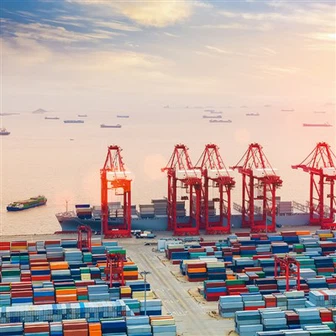
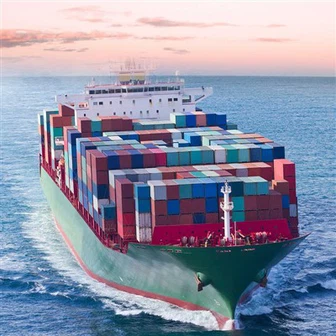
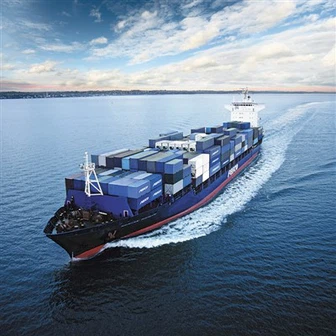
Sea transportation is one of the common methods of transportation from Taizhou to Tokyo. Taizhou's goods can be transferred to the sea through ports such as Taizhou Port or Ningbo Zhoushan Port, and rely on Japan's mature port network to reach ports around Tokyo, such as Tokyo Port and Yokohama Port. The biggest advantage of sea transportation is its large volume and low cost, which is suitable for transporting bulk goods such as furniture and building materials. From Taizhou Port, it usually takes 5-7 days to ship by sea to Tokyo. If the loading and unloading, customs declaration and land transportation at both ends are included, the overall transportation time is about 7-10 days. In terms of freight, the sea freight cost of a 20-foot standard container is about 800-1500 US dollars. The specific price will be affected by factors such as shipping off-season and market supply and demand. However, sea freight is easily affected by factors such as weather and waterway congestion, which may lead to unstable transportation timeliness.

Air transportation from Taizhou, Zhejiang to Tokyo
For goods with high timeliness requirements, air transportation is undoubtedly the best choice. Although Taizhou does not have direct international flights to Tokyo, it can be transferred through surrounding airports such as Hangzhou Xiaoshan International Airport and Ningbo Lishe International Airport. After the goods are transported from Taizhou to the airport, they will go through security inspections, installation and other processes, and it will take about 3-4 hours to arrive at Tokyo Narita International Airport or Haneda International Airport. Including ground transportation and customs clearance time at both ends, the overall transportation time is generally 1-2 days. The advantage of air transportation is that it is extremely fast and can meet the transportation needs of high-value and time-sensitive goods such as electronic products, fresh food, and new fashion products. However, its freight cost is relatively high, with air freight costing approximately RMB 20-50 per kilogram of goods. Enterprises need to weigh the pros and cons based on the value of the goods and transportation needs.
Freight forwarding from Taizhou, Zhejiang to Tokyo
Cross-border cargo transportation involves complex processes, including customs declaration and inspection, transportation plan planning, cargo tracking, etc. Freight forwarding companies play an indispensable role in this process. There are many professional freight forwarding companies in and around Taizhou, which provide one-stop services for enterprises with rich industry experience and extensive logistics networks. From door-to-door pickup, booking, customs declaration to customs clearance and delivery at the destination, freight forwarding companies can formulate personalized transportation plans according to the needs of enterprises, optimize transportation routes, and reduce transportation costs. For example, some freight forwarding companies have established long-term cooperative relationships with airlines and shipping companies, which can help enterprises strive for more favorable freight rates and space guarantees, and can also promptly handle emergencies during transportation to ensure that the goods are delivered safely and on time.
Transit time from Taizhou, Zhejiang to Tokyo
The transit time from Taizhou to Tokyo varies depending on the mode of transportation. The overall time for sea transportation is 7-10 days; air transportation is the fastest and can be completed in 1-2 days; if container transportation is used to take the sea route, the transit time is basically the same as sea transportation. Although container rail transport such as the China-Europe Railway Express extension line is not common in the transportation from Taizhou to Tokyo, the theoretical transportation time is relatively stable, which is expected to be around 10-15 days. However, the supporting facilities and maturity of the relevant lines need to be further improved. Enterprises can reasonably choose the mode of transportation according to the nature of their own goods and delivery time requirements to ensure the smoothness of the supply chain.
Freight from Taizhou, Zhejiang to Tokyo
Freight is an important consideration for enterprises to choose a mode of transportation. Sea transportation has become the first choice for bulk goods due to its low price. The freight of a 20-foot standard container is 800-1500 US dollars; air freight costs are higher, 20-50 yuan per kilogram; if container rail transportation (such as potential routes) is used, its freight is expected to be between sea and air, about 2000-3000 US dollars per container. In addition, freight will also be affected by various factors such as fuel price fluctuations, exchange rate changes, surcharges, etc., and enterprises need to consider them comprehensively when planning transportation costs.