


Domestic Sea Freight
Domestic sea freight involves transporting goods within a country's borders via sea routes. It's cost-effective and reliable, ideal for moving large volumes of cargo over long distances. With scheduled sailings and competitive rates, it's a preferred choice for businesses seeking efficient transportation solutions.
Product Introduction
Products Description
Domestic sea freight is a vital component of a country's transportation infrastructure, involving the movement of goods by sea within the borders of a single nation. This mode of transportation utilizes maritime routes, connecting ports and facilitating trade and commerce across various regions within the country.
Key aspects of sea freight include:
Infrastructure: Sea freight relies on a network of ports, harbors, and inland waterways to facilitate the loading, unloading, and transportation of goods. These ports serve as crucial hubs for cargo handling, customs clearance, and logistics operations.
Cargo Handling: Goods transported via sea freight are typically loaded onto containers or cargo vessels at the origin port and transported to the destination port. Depending on the nature of the cargo, specialized handling equipment and techniques may be employed to ensure efficient loading and unloading operations.
Regulations and Compliance: Sea freight operations are subject to regulations and compliance requirements enforced by government authorities and maritime agencies. These regulations govern various aspects of maritime transportation, including vessel safety, cargo security, environmental protection, and customs procedures.
Service Providers: Sea freight services are offered by shipping companies, freight forwarders, and logistics providers specializing in maritime transportation. These service providers manage the entire logistics chain, from booking cargo space and arranging transportation to handling documentation and customs clearance.
Cost-Effectiveness: Compared to other modes of transportation such as air freight or road transport, sea freight is often more cost-effective, especially for moving large volumes of cargo over long distances. This cost advantage makes it an attractive option for businesses seeking efficient and affordable transportation solutions.
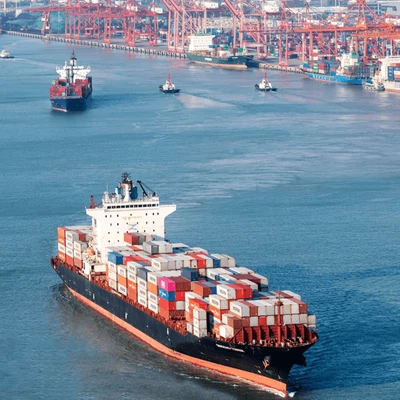
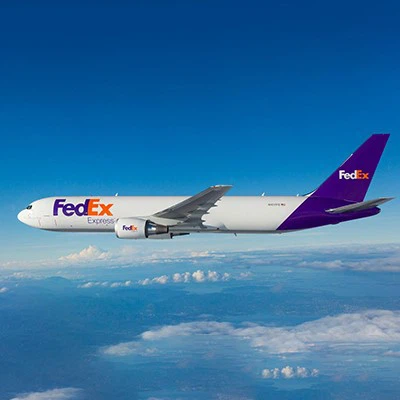
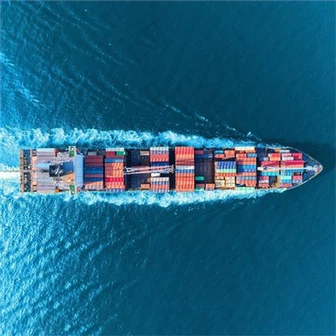
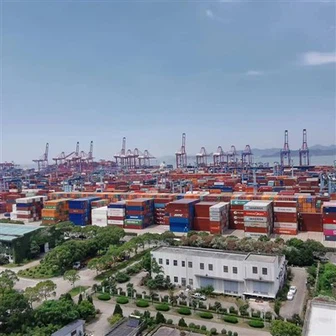
Freight display map

FAQ
Q1: What types of goods are typically transported via domestic sea freight?
A1: Sea freight is commonly used to transport a wide range of goods, including raw materials, consumer goods, manufactured products, agricultural produce, and bulk commodities such as grains, ores, and fuels.
Q2: How long does sea freight usually take compared to other modes of transportation?
A2: The duration of sea freight varies depending on factors such as the distance between ports, weather conditions, and the efficiency of port operations. Generally, sea freight may take longer than air freight but is often more cost-effective for large volumes of cargo over long distances.
Q3: What are some key considerations for businesses when choosing sea freight services?
A3: Businesses should consider factors such as cost, transit time, reliability, coverage of ports and routes, cargo handling capabilities, regulatory compliance, and environmental impact when selecting sea freight services. It's essential to choose a service provider that meets their specific transportation needs and supports their supply chain objectives.
Hot Tags: domestic sea freight, China domestic sea freight, Ocean Freight Logistics, international ocean logistics, LCL Sea Freight, ocean freight international, air and sea freight, air freight sea freight
You Might Also Like


Send Inquiry
