


International Sea Transportation
International sea transportation involves shipping goods across international waters via maritime routes. It's a cost-effective and efficient method for transporting large volumes of cargo globally. With reliable schedules and extensive port networks, international sea transportation is ideal for businesses seeking reliable and affordable global logistics solutions.
Product Introduction
Products Description
International sea transportation, also known as ocean freight, is a fundamental pillar of global trade and commerce, facilitating the movement of goods between countries and continents via maritime routes. This mode of transportation involves the use of cargo vessels, container ships, and bulk carriers to transport various types of cargo, including raw materials, manufactured goods, consumer products, and commodities, across vast distances.
Key aspects of sea transportation include:
Infrastructure: Sea transportation relies on a sophisticated network of ports, harbors, and shipping lanes that span the globe. Major ports serve as hubs for cargo handling, customs clearance, and logistics operations, facilitating the loading and unloading of goods onto vessels.
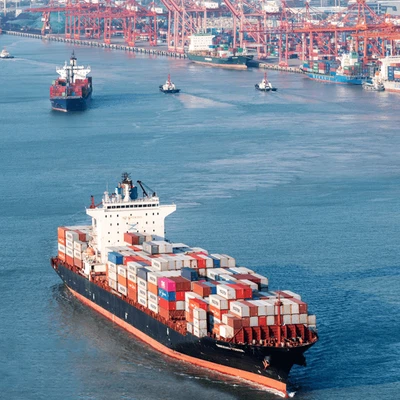
Types of Vessels: Different types of vessels are used for sea transportation, depending on the nature of the cargo being transported. Container ships are commonly used for transporting standardized cargo containers, while bulk carriers are used for commodities such as grains, ores, and petroleum products. Other vessels, such as tankers and roll-on/roll-off (Ro-Ro) ships, cater to specific types of cargo.
Shipping Routes:Sea transportation operates along established shipping routes that connect major ports and regions around the world. These routes are optimized for efficiency and cost-effectiveness, taking into account factors such as distance, weather patterns, and geopolitical considerations.
Logistics Management: Sea transportation involves complex logistics management processes, including booking cargo space, arranging transportation, managing documentation, and coordinating customs clearance procedures. Freight forwarders and shipping companies play a crucial role in facilitating these logistics operations and ensuring the smooth flow of goods.
Freight display map

FAQ
Q1: What types of cargo are typically transported via international sea transportation?
A1: Sea transportation is used to transport a wide range of cargo, including raw materials like ores and grains, manufactured goods such as electronics and automobiles, consumer products, perishable goods like fruits and vegetables, and commodities like oil and natural gas.
Q2: How long does sea transportation usually take compared to other modes of transportation?
A2: The duration of sea transportation varies depending on factors such as the distance between ports, the shipping route, weather conditions, and port congestion. Generally, sea freight may take longer than air freight but is often more cost-effective, especially for large volumes of cargo or shipments over long distances.
Q3: What are some key considerations for businesses when choosing sea transportation services?
A3: Businesses should consider factors such as cost, transit time, reliability, shipping routes, carrier reputation, cargo handling capabilities, documentation requirements, customs regulations, and environmental impact when selecting sea transportation services. It's essential to choose a service provider that meets their specific transportation needs and supports their global supply chain objectives.
Hot Tags: international sea transportation, China international sea transportation, Air And Ocean Freight Forwarding, Air Freight And Sea Freight, sea freight service, air and sea freight, sea freight service, air and sea freight
You Might Also Like



Send Inquiry
