

Are there any restrictions on shipping food items via air freight service?
As a provider of Air And Sea Freight Service, I often encounter inquiries regarding the shipping of food items via air freight. This is a topic of great concern for many businesses, especially those in the food industry. In this blog, I will delve into the restrictions and considerations associated with shipping food items by air freight.
Understanding the Basics of Air Freight for Food Items
Air freight is a popular choice for shipping food products due to its speed and reliability. It allows businesses to transport perishable goods quickly, reducing the risk of spoilage and ensuring that products reach their destination in optimal condition. However, shipping food items via air freight is subject to a series of regulations and restrictions imposed by various authorities.
Regulatory Bodies and Their Impact
One of the primary regulatory bodies governing the air freight of food items is the International Air Transport Association (IATA). IATA has established strict guidelines to ensure the safety and compliance of air cargo, including food products. These guidelines cover aspects such as packaging, labeling, and documentation.
For instance, food items must be properly packaged to prevent leakage and contamination. The packaging materials should be suitable for the type of food being shipped and able to withstand the rigors of air transportation. Additionally, clear and accurate labeling is essential. Labels should include information such as the product name, ingredients, expiration date, and storage instructions.
Another important regulatory body is the World Health Organization (WHO), which sets standards for food safety and hygiene. Airlines and freight forwarders are required to adhere to these standards to prevent the spread of food - borne diseases. This means that food items must be sourced from reputable suppliers and undergo necessary quality control checks before being shipped.
Types of Food Items and Restrictions
Not all food items can be shipped via air freight without restrictions. Some common types of food and their associated limitations are as follows:
Perishable Food
Perishable foods, such as fresh fruits, vegetables, meat, and dairy products, are subject to the most stringent regulations. These items require special handling and storage conditions during transit to maintain their freshness. Temperature - controlled shipping containers are often used to keep perishable foods at the appropriate temperature. Airlines may also have restrictions on the maximum travel time for these products to ensure that they do not spoil.
Processed Food
Processed foods, including canned goods, dry goods, and snacks, generally have fewer restrictions compared to perishable items. However, they still need to comply with labeling and packaging requirements. For example, processed foods containing certain ingredients, such as alcohol or genetically modified organisms (GMOs), may be subject to additional regulations depending on the destination country.
Food Supplements and Herbs
Food supplements and herbs are also considered food items for the purpose of air freight. These products may require additional documentation, such as certificates of analysis or origin, to prove their quality and safety. Some countries may have restrictions on the import of certain herbs or supplements due to concerns about their potential side effects or unregulated use.
Destination - Specific Restrictions
In addition to global regulations, each destination country may have its own set of rules and restrictions regarding the import of food items. Some countries may have strict quarantine measures to protect their domestic agriculture and food industries from pests and diseases. For example, Australia and New Zealand have very strict regulations on the import of fresh fruits and vegetables to prevent the introduction of foreign pests.
It is crucial for businesses to research the specific requirements of the destination country before shipping food items. This can be done by consulting with customs authorities, freight forwarders, or trade associations. Failure to comply with destination - specific regulations can result in delays, fines, or even the rejection of the shipment.
Documentation Requirements
Proper documentation is essential for shipping food items via air freight. The following are some of the key documents that are typically required:
Bill of Lading
The bill of lading is a legal document that serves as a contract between the shipper and the carrier. It contains information about the shipment, such as the origin, destination, quantity, and description of the goods.
Commercial Invoice
The commercial invoice provides details about the transaction, including the price of the goods, the terms of sale, and the contact information of the buyer and seller. It is used for customs clearance and payment purposes.
Certificate of Origin
A certificate of origin indicates the country where the goods were produced. This is important for determining the applicable tariffs and trade preferences.
Health and Sanitary Certificates
Health and sanitary certificates are required for many food items to prove that they meet the safety and hygiene standards of the destination country. These certificates are usually issued by the relevant government agencies in the country of origin.
Our Air And Sea Freight Service for Food Items
As an Air And Sea Freight Service provider, we understand the complexities involved in shipping food items via air freight. We have a team of experienced professionals who are well - versed in the regulations and restrictions of various countries. We can assist you in navigating the regulatory landscape and ensuring that your food shipments are compliant with all the necessary requirements.

We also offer a range of services to meet the specific needs of food shippers. For example, we can provide temperature - controlled air freight solutions for perishable food items, ensuring that they remain fresh throughout the journey. Our packaging experts can help you choose the right packaging materials to protect your food products during transit.
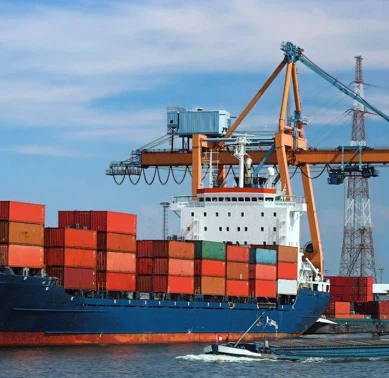
In addition to air freight, we also offer Ship By Sea Freight options for food items. Sea freight is a cost - effective alternative for non - perishable food products or for shipments with a longer lead time. We have a wide network of partners and can provide Ocean Shipping Container solutions to meet your specific requirements. Our Ocean Freight Logistics Company services ensure that your food shipments are handled efficiently and safely from origin to destination.
Contact Us for Food Shipping Solutions
If you are a business looking to ship food items via air or sea freight, we are here to help. Our team can provide you with customized solutions based on your specific needs and requirements. We can offer advice on packaging, documentation, and compliance with regulations.
To discuss your food shipping needs further, please reach out to us. We look forward to the opportunity to work with you and provide you with reliable and efficient freight services for your food products.
References
- International Air Transport Association (IATA). Cargo Regulations.
- World Health Organization (WHO). Food Safety Guidelines.
- Customs and Border Protection Agencies of various countries.