

Are there any volume restrictions for sea freight?
Hey there! As a supplier of Air Freight And Sea Freight, I often get asked about various aspects of shipping, and one question that pops up quite a bit is, "Are there any volume restrictions for sea freight?" Well, let's dive right into it.
First off, sea freight is a popular choice for many businesses, especially those dealing with large - scale goods. It's cost - effective for transporting a significant amount of stuff compared to air freight. But like any shipping method, it does come with its own set of rules and limitations, including volume restrictions.
General Volume Considerations
When it comes to sea freight, the volume of your cargo plays a crucial role. Shipping lines and carriers have to manage the space on their vessels efficiently. They need to ensure that they can accommodate as many shipments as possible while maintaining safety and stability during the journey.
Most sea freight shipments are transported in standard shipping containers. The most common container sizes are 20 - foot and 40 - foot containers. A 20 - foot container, also known as a Twenty - Foot Equivalent Unit (TEU), has a volume capacity of around 33 cubic meters. On the other hand, a 40 - foot container, or a Forty - Foot Equivalent Unit (FEU), can hold approximately 67 cubic meters.
If your cargo volume is within the capacity of these standard containers, you're in luck. You can simply book a container and have your goods shipped. But what if your volume is larger or smaller than the standard container sizes?
Small - Volume Shipments
For small - volume shipments, you might not need a whole container. In this case, you can opt for Less - than - Container - Load (LCL) shipping. With Sea Freight Shipping, LCL is a great option. It allows you to share a container with other shippers.
The advantage of LCL is that you only pay for the space your cargo actually takes up in the container. However, there are still some volume - related factors to consider. Shipping lines usually have a minimum volume requirement for LCL shipments. This is because there are fixed costs associated with handling and consolidating LCL cargo. So, even if your cargo is just a few cubic meters, you need to meet that minimum threshold.
Large - Volume Shipments
Now, if you have a large - volume shipment that exceeds the capacity of a single container, you have a few options. You can book multiple containers. This is straightforward but can get a bit pricey, especially if you're shipping a very large quantity of goods.
Another option is to look into break - bulk shipping. Break - bulk shipping is suitable for oversized or irregularly shaped cargo that can't fit into standard containers. With break - bulk, your cargo is loaded directly onto the ship's hold. However, this method also has its own volume and weight limitations. The ship's deck and hold have physical constraints, and the shipping company needs to ensure that the weight distribution is balanced to maintain the ship's stability.
Special Cases and Exceptions
There are also special cases where volume restrictions might not be as straightforward. For example, if you're shipping goods that are very light but take up a lot of space, like foam products or empty plastic containers, the shipping line might charge you based on the volumetric weight rather than the actual weight.
Volumetric weight is calculated by dividing the volume of the cargo (in cubic meters) by a conversion factor. The conversion factor can vary depending on the shipping line, but it's usually around 1:1 or 1:1.5 (meaning 1 cubic meter is equivalent to 1 or 1.5 metric tons). If the volumetric weight is higher than the actual weight, you'll be charged based on the volumetric weight.
Impact of Volume Restrictions on Pricing
Volume restrictions have a direct impact on the pricing of sea freight. As I mentioned earlier, for LCL shipments, you pay for the space your cargo occupies. The more volume you use, the higher the cost.
For Full - Container - Load (FCL) shipments, the price is usually based on the container size. A 40 - foot container will cost more than a 20 - foot container, regardless of how much of the container you actually fill. So, if you have a large - volume shipment that can fit into a 20 - foot container, it's more cost - effective to go with that option rather than a 40 - foot container.
Combining Air and Sea Freight
Sometimes, depending on your volume requirements and delivery time constraints, you might consider combining air and sea freight. Freight Air And Sea Transport offers a hybrid solution that can be very beneficial.

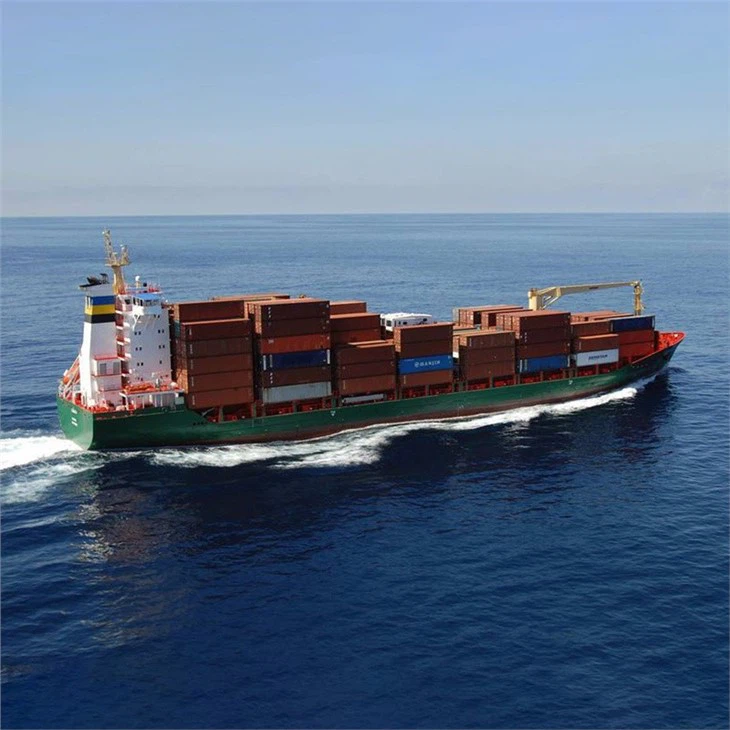
For example, if you have a large - volume shipment but need a portion of it to be delivered quickly, you can send some of the goods by air and the rest by sea. This way, you can balance cost and speed while still working within the volume restrictions of each shipping method.
Free on Board (FOB) and Volume
When it comes to Fob Sea Freight, volume also plays a role. FOB is a trade term where the seller is responsible for delivering the goods to the port of shipment. The volume of your cargo can affect the overall FOB cost.
If your volume is large, it might require more handling and storage space at the port, which can increase the FOB charges. On the other hand, for small - volume shipments, the FOB cost might be relatively lower, but you still need to factor in the LCL minimum volume requirements.
How We Can Help
As an Air Freight And Sea Freight supplier, we understand all these volume - related issues. We have the expertise to help you find the most cost - effective and efficient shipping solution for your cargo, regardless of its volume.
Whether you have a small - volume LCL shipment or a large - volume break - bulk cargo, we can guide you through the process. We'll work with you to determine the best container size, shipping method, and pricing options.
If you're in the process of planning a shipment and have questions about volume restrictions or any other aspect of sea freight, don't hesitate to reach out. We're here to assist you in making the right decisions for your business. Contact us for a free consultation and let's start planning your next shipment together.
References
- International Maritime Organization (IMO) regulations on cargo volume and safety.
- Shipping line guidelines and tariffs for container and break - bulk shipping.