

Are there any size or weight restrictions for sea freight service?
When it comes to international trade and logistics, sea freight service stands as a cornerstone for transporting large - scale goods across the globe. As a provider of Air And Sea Freight Service, I often encounter inquiries about the size and weight restrictions in sea freight. In this blog, I'll delve into this topic in detail to help you better understand the ins and outs of sea freight transportation.
General Understanding of Sea Freight
Sea freight is a cost - effective option for shipping large volumes of goods, especially for non - perishable items. It offers a reliable way to move products from one country to another. International Sea Freight Shipping has been a well - established industry, with a long history of facilitating global trade.
Containerization and Standard Sizes
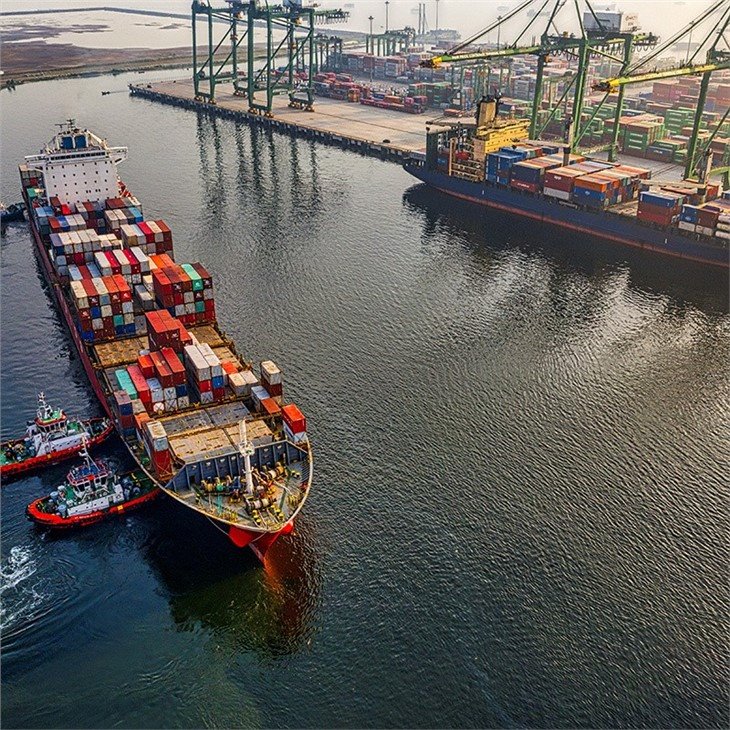
Most sea freight is carried out using containers. Containers come in standard sizes, which play a significant role in determining the size and weight limits for sea freight. The two most common container sizes are the 20 - foot equivalent unit (TEU) and the 40 - foot equivalent unit (FEU).
A 20 - foot container typically has an internal length of about 5.898 meters (19.35 feet), a width of 2.352 meters (7.72 feet), and a height of 2.385 meters (7.82 feet). The maximum payload capacity of a 20 - foot container is usually around 22,000 - 28,000 kilograms, depending on the container type and the shipping line's regulations.
On the other hand, a 40 - foot container has an internal length of approximately 12.032 meters (39.47 feet), a width of 2.352 meters (7.72 feet), and a height of 2.385 meters (7.82 feet) for a standard dry container. The maximum payload for a 40 - foot container can range from 26,000 to 30,000 kilograms.
These standard sizes and weight limits are set to ensure the safety and efficiency of the shipping process. Shipping lines need to balance the weight distribution on the vessel to prevent any instability during the voyage.
Oversized and Heavy - Lift Cargo
However, not all cargo fits neatly into standard containers. There are cases where shippers need to transport oversized or heavy - lift cargo. Shipping Via Sea can still accommodate such cargo, but it comes with additional considerations.
For oversized cargo, which exceeds the dimensions of standard containers, shippers may opt for open - top containers, flat - rack containers, or break - bulk shipping. Open - top containers have a removable roof, allowing for the loading of tall items. Flat - rack containers have no sides or roof, making them suitable for extremely wide or long cargo. Break - bulk shipping involves loading individual pieces of cargo directly onto the ship's hold without the use of containers.
When it comes to heavy - lift cargo, which weighs more than the maximum payload of a standard container, specialized equipment and vessels may be required. Shipping lines may have specific regulations regarding the handling and transportation of heavy - lift cargo. For example, they may require additional bracing and securing to prevent the cargo from shifting during transit.
Port and Terminal Restrictions
In addition to container and vessel limitations, port and terminal facilities also impose their own size and weight restrictions. Ports have different infrastructure, such as cranes, berths, and storage areas, which determine the maximum size and weight of cargo they can handle.
Some ports may have restrictions on the draft of vessels, which is the depth of the vessel below the waterline. This means that vessels carrying heavy or large - volume cargo may not be able to access certain ports due to draft limitations. Terminal facilities also have weight limits for their handling equipment, such as forklifts and cranes. If the cargo exceeds these limits, it may require special arrangements or alternative handling methods.
Regulatory and Safety Considerations
Size and weight restrictions in sea freight are not only about practicality but also about regulatory and safety requirements. International maritime regulations, such as those set by the International Maritime Organization (IMO), aim to ensure the safety of vessels, crew, and cargo.
Overloading a container or a vessel can lead to serious safety hazards, including structural damage to the container or vessel, instability during the voyage, and an increased risk of accidents. Therefore, shipping lines and shippers must comply with these regulations to avoid penalties and ensure the smooth transportation of goods.
Impact on Shipping Costs
The size and weight of the cargo have a direct impact on shipping costs. Generally, larger and heavier cargo will incur higher shipping costs. This is because it takes up more space on the vessel and may require special handling or equipment.
For standard containerized cargo, the shipping cost is usually calculated based on the container size and the distance of the shipment. However, for oversized or heavy - lift cargo, additional charges may apply, such as special handling fees, port congestion surcharges, and overweight or over - dimensional fees.

How Our Air And Sea Freight Service Can Help
As a provider of International Sea Freight Service, we have the expertise and resources to handle a wide range of cargo sizes and weights. Our team of logistics professionals can assist you in choosing the most suitable shipping method for your cargo, whether it's standard containerized shipping or specialized solutions for oversized and heavy - lift cargo.
We work closely with shipping lines and port authorities to ensure that all regulatory requirements are met. We can also provide you with accurate cost estimates and help you optimize your shipping plan to minimize costs while ensuring the timely and safe delivery of your goods.
Conclusion
In conclusion, there are indeed size and weight restrictions for sea freight service. These restrictions are influenced by container standards, port and terminal facilities, regulatory requirements, and safety considerations. However, with the right planning and the assistance of a professional freight service provider, shippers can overcome these challenges and transport their goods efficiently and safely.
If you have any questions about the size and weight restrictions of sea freight or need help with your shipping needs, please feel free to contact us. Our team is ready to provide you with personalized solutions and support to ensure a smooth shipping experience.
References
- International Maritime Organization (IMO) regulations on cargo safety
- Shipping line guidelines on container sizes and payloads
- Port and terminal infrastructure specifications