

Are there weight restrictions for sea freight?
When it comes to international trade and the movement of goods, sea freight stands as a cornerstone of global logistics. As a seasoned provider of both air freight and sea freight services, I've encountered numerous inquiries regarding the weight restrictions associated with sea freight. This blog aims to shed light on this crucial aspect, offering insights into the factors at play and how they impact your shipping decisions.
Understanding the Basics of Sea Freight Weight Restrictions
Sea freight is a cost - effective and reliable option for transporting large volumes of goods across the globe. However, like any mode of transportation, it has its limitations, especially when it comes to weight. Weight restrictions in sea freight are not arbitrary; they are carefully determined by a variety of factors, including the type of vessel, port regulations, and safety considerations.
Vessel Capacity
The most fundamental factor influencing weight restrictions is the capacity of the shipping vessel. Different types of vessels, such as container ships, bulk carriers, and tankers, have varying load - bearing capacities. Container ships, which are widely used for general cargo, are designed to carry a specific number of standard shipping containers, each with its own weight limit.
A standard 20 - foot container (TEU) typically has a maximum payload capacity of around 22 - 28 metric tons, while a 40 - foot container (FEU) can usually carry up to 26 - 30 metric tons. These limits are set to ensure the structural integrity of the container and the vessel, as well as safe navigation. Overloading a container can lead to damage during handling, transportation, and may even pose a risk to the safety of the crew and the vessel itself.
Port Regulations
Ports around the world have their own set of regulations regarding the weight of cargo that can be handled. These regulations are in place to protect port infrastructure, such as cranes, docks, and storage facilities. For example, some ports may have restrictions on the maximum weight of a single container that can be lifted by their cranes. If a container exceeds this weight, it may require special handling equipment or arrangements, which can incur additional costs and delays.
In addition, port authorities may also enforce weight limits on trucks used for transporting cargo to and from the port. These limits are designed to prevent damage to roads and bridges and ensure compliance with local transportation regulations.
Safety Considerations
Safety is of utmost importance in the shipping industry. Overloading a vessel can affect its stability, maneuverability, and speed. A vessel that is overloaded may be more prone to capsizing, especially in rough seas or adverse weather conditions. Therefore, shipping lines and maritime authorities strictly enforce weight restrictions to safeguard the lives of the crew, protect the environment, and prevent damage to the cargo.
Types of Weight in Sea Freight
In sea freight, it's important to understand the different types of weight measurements:
Gross Weight
The gross weight of a shipment is the total weight of the cargo, including the product itself, its packaging, and any pallets or other materials used for handling. This is the weight that is typically used for calculating shipping costs and determining compliance with weight restrictions.
Tare Weight
Tare weight refers to the weight of the container or packaging without the cargo. When calculating the net weight of the cargo, the tare weight is subtracted from the gross weight.
Net Weight
The net weight is the weight of the actual product being shipped, excluding the weight of the packaging and other materials.

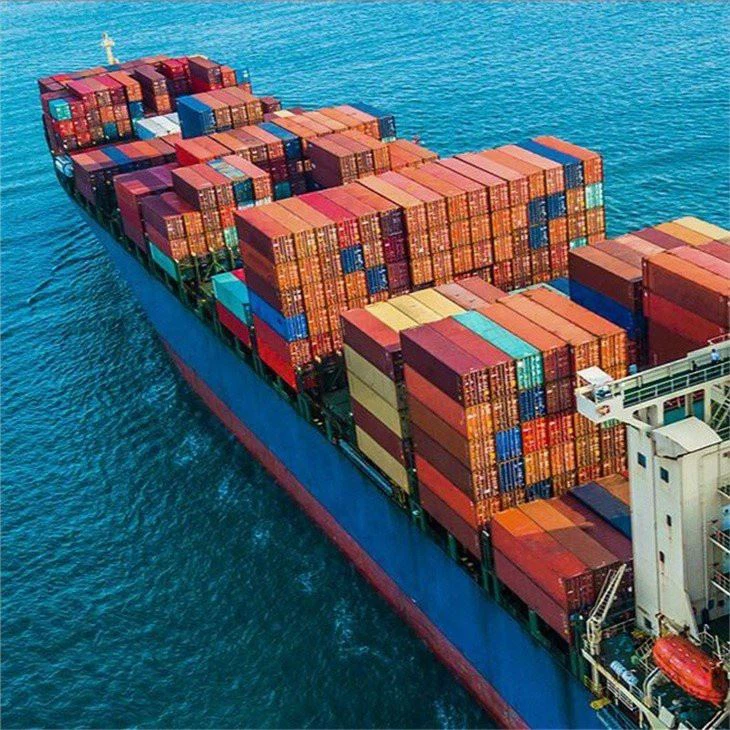
Exceeding Weight Restrictions
Exceeding weight restrictions in sea freight can have serious consequences. If a container is found to be overweight at the port of origin, it may be rejected by the shipping line. This can result in significant delays as the shipper will need to find a way to reduce the weight of the cargo, such as repacking or splitting the shipment into multiple containers.
In some cases, if the overweight container is already on board the vessel, it may need to be offloaded at the next port of call, which can incur additional costs for the shipper, including demurrage (charges for the delay in returning the container) and re - routing fees.
Special Considerations for Heavy - Lift Cargo
For cargo that exceeds the standard weight limits of a container, special arrangements can be made. Heavy - lift cargo, such as industrial equipment, machinery, and large vehicles, often requires specialized vessels or handling equipment.
Some shipping lines offer services specifically tailored to heavy - lift cargo. These services may include the use of heavy - lift vessels, which are equipped with powerful cranes capable of lifting extremely heavy loads. In addition, specialized shipping agents, also known as Sea Forwarder, can assist in coordinating the transportation of heavy - lift cargo, ensuring that all necessary permits and arrangements are in place.
How Our Company Can Assist
As an experienced provider of air freight and sea freight services, we understand the complexities of weight restrictions in sea freight. We offer a comprehensive range of Cargo By Sea solutions tailored to your specific needs. Our team of experts will work closely with you to accurately calculate the weight of your cargo, ensure compliance with all weight restrictions, and find the most cost - effective and efficient shipping options.
Whether you're shipping standard containers or heavy - lift cargo, we have the resources and expertise to handle your shipment with care. We can help you navigate the various regulations and requirements of ports around the world, minimizing the risk of delays and additional costs.
In addition, we offer Sea Freight To Door services, which means we take care of the entire shipping process, from pick - up at your location to delivery at the final destination. This includes handling all documentation, customs clearance, and transportation arrangements, providing you with a hassle - free shipping experience.
Contact Us for Your Sea Freight Needs
If you're planning to ship goods via sea freight and have questions about weight restrictions or any other aspect of the shipping process, don't hesitate to reach out. Our team of dedicated professionals is ready to assist you with your shipping requirements. We can provide you with detailed quotes, offer expert advice, and help you make informed decisions about your sea freight shipments.
References
- International Maritime Organization (IMO). (2023). Safety of Life at Sea (SOLAS) Convention.
- World Shipping Council. (2023). Container Shipping Statistics and Information.
- Port authorities around the world for their specific regulations on cargo weight handling.