

How do air freight and sea freight handle perishable goods?
Handling perishable goods in air freight and sea freight is a complex yet crucial task in the global logistics industry. As a leading supplier of air freight and sea freight services, we understand the unique challenges and requirements associated with transporting perishable items. In this blog, we will explore how air freight and sea freight handle perishable goods, highlighting the differences, advantages, and best practices for each mode of transportation.
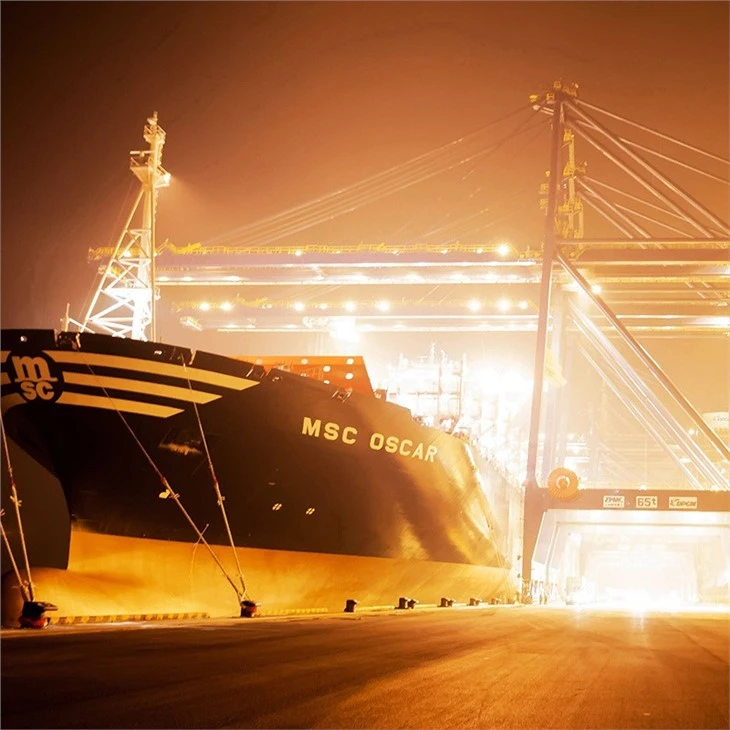

Air Freight: Speed and Precision
Air freight is often the preferred choice for transporting perishable goods due to its speed and reliability. Time is of the essence when it comes to perishable items, as they have a limited shelf life and require quick delivery to reach their destination in optimal condition. Air freight offers unparalleled speed, with most international shipments arriving at their destination within 1-3 days, compared to sea freight, which can take weeks or even months.
One of the key advantages of air freight is its ability to provide a controlled environment throughout the transportation process. Airlines have strict regulations and guidelines for handling perishable goods, including temperature-controlled storage facilities, specialized handling equipment, and real-time monitoring systems. These measures ensure that the goods are maintained at the appropriate temperature and humidity levels, minimizing the risk of spoilage and damage.
In addition to temperature control, air freight also offers greater flexibility and security. Airlines have a wide network of routes and flights, allowing for more direct and efficient transportation of perishable goods. This reduces the transit time and the number of handling points, further minimizing the risk of damage. Airports also have advanced security measures in place, including surveillance cameras, security personnel, and strict access control, ensuring the safety and integrity of the goods.
However, air freight also has its limitations. The cost of air freight is generally higher than sea freight, making it less suitable for large-volume or low-value perishable goods. Air freight is also subject to capacity constraints, especially during peak seasons or in times of high demand. This can result in delays and higher costs, as airlines may have to prioritize certain shipments over others.
Sea Freight: Cost-Effectiveness and Capacity
Sea freight is the most common mode of transportation for perishable goods, especially for large-volume or long-distance shipments. Sea freight offers significant cost savings compared to air freight, making it a more affordable option for businesses that need to transport large quantities of perishable goods. Sea freight also has a much higher capacity than air freight, allowing for the transportation of bulk goods and oversized cargo.
One of the key advantages of sea freight is its ability to provide a stable and consistent environment for perishable goods. Containerized shipping is the most common method of transporting perishable goods by sea, as it offers a sealed and controlled environment that protects the goods from external factors such as temperature, humidity, and vibration. Refrigerated containers, also known as reefers, are specifically designed to maintain a constant temperature and humidity level, ensuring the quality and freshness of the perishable goods.
In addition to containerized shipping, sea freight also offers a variety of other options for transporting perishable goods, including roll-on/roll-off (RoRo) shipping, bulk shipping, and break-bulk shipping. These options provide greater flexibility and customization, allowing businesses to choose the most suitable mode of transportation based on their specific needs and requirements.
However, sea freight also has its challenges. The transit time for sea freight is much longer than air freight, which can be a significant disadvantage for perishable goods with a short shelf life. Sea freight is also subject to weather conditions, port congestion, and other factors that can cause delays and disruptions. This requires careful planning and coordination to ensure that the goods arrive at their destination in a timely manner.
Best Practices for Handling Perishable Goods
Regardless of whether you choose air freight or sea freight, there are several best practices that you should follow to ensure the safe and efficient transportation of perishable goods. These include:
- Proper Packaging: Use high-quality packaging materials that are designed to protect the perishable goods from damage, temperature fluctuations, and moisture. The packaging should be strong enough to withstand the rigors of transportation and should be labeled clearly with the product name, quantity, and handling instructions.
- Temperature Control: Ensure that the perishable goods are maintained at the appropriate temperature throughout the transportation process. This may require the use of temperature-controlled storage facilities, refrigerated containers, or other specialized equipment. Real-time monitoring systems can also be used to track the temperature and humidity levels of the goods and alert the carrier if there are any deviations from the set parameters.
- Documentation and Compliance: Provide accurate and complete documentation for the perishable goods, including the bill of lading, commercial invoice, packing list, and any other required documents. Comply with all relevant regulations and guidelines, including those related to food safety, customs clearance, and transportation of hazardous materials.
- Carrier Selection: Choose a reputable and experienced carrier that has a proven track record of handling perishable goods. The carrier should have the necessary equipment, facilities, and expertise to ensure the safe and efficient transportation of the goods. They should also be able to provide real-time tracking and monitoring services, as well as timely updates on the status of the shipment.
- Communication and Coordination: Maintain regular communication with the carrier, freight forwarder, and other parties involved in the transportation process. This will help to ensure that everyone is aware of the shipment details, including the pickup and delivery times, temperature requirements, and any special instructions. Coordinate closely with the customs authorities to ensure that the goods are cleared quickly and efficiently.
Conclusion
In conclusion, both air freight and sea freight have their advantages and disadvantages when it comes to handling perishable goods. Air freight offers speed, precision, and flexibility, making it ideal for high-value or time-sensitive perishable items. Sea freight, on the other hand, offers cost-effectiveness and capacity, making it a more suitable option for large-volume or long-distance shipments.
At our company, we understand the unique challenges and requirements associated with transporting perishable goods. We offer a comprehensive range of air freight and sea freight services, including International Sea Freight Shipping, China Sea Forwarders, and Ocean Freight Shipping Services, to meet the diverse needs of our customers. Our experienced team of logistics professionals will work closely with you to develop a customized transportation solution that ensures the safe and efficient delivery of your perishable goods.
If you are interested in learning more about our air freight and sea freight services for perishable goods, please contact us to discuss your requirements. We look forward to working with you to meet your logistics needs.
References
- [Insert relevant references here, such as industry reports, articles, or books.]