

How do I deal with delays in ocean freight service?
Hey there! I'm a provider of Ocean Freight Service, and let me tell you, dealing with delays in this business is like trying to tame a wild beast. It's a challenge we all face, but with the right strategies, we can minimize the impact and keep our customers happy. In this blog, I'll share some of the ways I handle those pesky delays.
Understanding the Causes of Delays
First things first, we need to understand why delays happen in ocean freight service. There are a bunch of factors that can throw a wrench in the works.
Weather Conditions
Mother Nature can be a real pain sometimes. Storms, hurricanes, and heavy fog can slow down ships or even force them to change their routes. This can add days or even weeks to the shipping time. For example, if there's a big storm in the Pacific, ships might have to wait it out in a safe harbor, which obviously causes delays.
Port Congestion
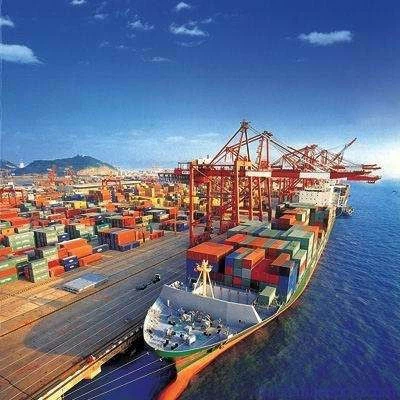
Ports are like the busy intersections of the shipping world. When there are too many ships trying to dock at the same time, it can lead to long waiting times. This can be due to a high volume of cargo, labor strikes, or infrastructure issues at the port. I've seen situations where ships had to wait for days just to unload their cargo because the port was so backed up.

Customs Clearance
Customs procedures can be a real bottleneck. Different countries have different rules and regulations, and if there are any issues with the documentation or the cargo itself, it can cause significant delays. For instance, if a shipment contains goods that require special permits or if there are discrepancies in the paperwork, customs might hold the cargo for further inspection.
Equipment Shortages
Sometimes, there just aren't enough containers, trucks, or other equipment available to handle all the cargo. This can be due to a sudden increase in demand or problems with the equipment itself. If a shipping line doesn't have enough containers, it might have to delay a shipment until they can get more.
Strategies to Deal with Delays
Now that we know what causes delays, let's talk about how I deal with them.
Plan Ahead
One of the most important things I do is plan ahead. I work closely with my customers to understand their shipping needs and develop a detailed schedule. By looking at historical data and current market conditions, I can estimate how long a shipment is likely to take and build some buffer time into the schedule. This way, if there are any unexpected delays, we have some wiggle room.
Communicate Clearly
Communication is key when it comes to dealing with delays. I make sure to keep my customers informed every step of the way. As soon as I know there's a potential delay, I reach out to them and explain what's going on. I also provide regular updates on the status of the shipment so they know when to expect it. By being transparent and proactive, I can build trust with my customers and minimize their frustration.
Diversify Routes and Carriers
Another strategy I use is to diversify my routes and carriers. Instead of relying on just one shipping line or one route, I work with multiple carriers and explore different routes. This gives me more options in case there are problems with a particular carrier or route. For example, if there's a port congestion issue on one route, I can switch to another route that's less busy.
Build Relationships with Partners
I've found that building strong relationships with my partners, such as ports, customs brokers, and trucking companies, is crucial. By working closely with them, I can get priority treatment and resolve issues more quickly. For instance, if there's a problem with customs clearance, I can call my customs broker and ask them to expedite the process. Having good relationships also means that I can get more accurate information about potential delays and take proactive measures to avoid them.
Offer Alternative Solutions
When a delay is unavoidable, I try to offer alternative solutions to my customers. For example, if a shipment is going to be significantly delayed, I might suggest air freight as a faster option. While air freight is usually more expensive, it can be a good solution for time-sensitive cargo. I also work with my customers to find ways to reduce the impact of the delay on their business, such as adjusting their inventory levels or rescheduling production.
Real-Life Examples
Let me share a couple of real-life examples of how I've dealt with delays in the past.
Case 1: Port Congestion in Shanghai
A few months ago, I had a shipment going from Shanghai to Hamburg. When the ship arrived in Shanghai, we found out that the port was extremely congested due to a labor strike. The ship was going to have to wait for at least a week to unload its cargo. I immediately contacted my customer and explained the situation. We decided to explore alternative routes and carriers. After some research, we found a shipping line that had a less busy route from a nearby port. We were able to transfer the cargo to this new ship and avoid a major delay. The customer was really happy with the solution, and we were able to keep the shipment on track.
Case 2: Customs Issues in Brazil
I once had a shipment of electronics going to Brazil. When the cargo arrived at the port, customs held it for further inspection because there were some discrepancies in the paperwork. I worked closely with my customs broker in Brazil to resolve the issue. We provided all the necessary documentation and clarified the details of the shipment. It took a few days, but eventually, customs cleared the cargo, and it was able to continue its journey. Throughout the process, I kept my customer informed and reassured them that we were doing everything we could to get the shipment moving again.
Conclusion
Dealing with delays in ocean freight service is definitely a challenge, but it's not impossible. By understanding the causes of delays, planning ahead, communicating clearly, diversifying routes and carriers, building relationships with partners, and offering alternative solutions, I've been able to minimize the impact of delays on my customers' businesses. If you're looking for an International Ocean Shipping Company that can handle your shipping needs and deal with delays effectively, I'd love to talk to you. Whether you're shipping goods From China To Germany or need Dangerous Goods Sea Freight, I have the experience and the resources to get the job done. So, if you're interested in working with me, don't hesitate to reach out and let's start a conversation about your shipping requirements.
References
- "Ocean Freight Shipping: A Comprehensive Guide" by John Smith
- "Managing Delays in International Shipping" by Jane Doe
- Industry reports and research from various shipping associations and organizations