

How does air freight service compete with other transportation modes?
In the dynamic landscape of global trade and logistics, the choice of transportation mode is a critical decision for businesses aiming to optimize their supply chain operations. As a provider of Air And Sea Freight Service, I have witnessed firsthand the evolving competition between air freight and other transportation modes, such as road, rail, and sea. This blog post will explore how air freight service competes with these alternatives, highlighting its unique advantages and challenges in the context of modern logistics.
Speed and Time Sensitivity
One of the most significant advantages of air freight is its unparalleled speed. In an era where time is often of the essence, air transportation offers the fastest delivery times compared to other modes. For businesses dealing with high - value, perishable, or time - sensitive goods such as electronics, pharmaceuticals, and fresh produce, air freight is the go - to option.
For instance, a company that needs to launch a new smartphone model globally within a short period can rely on air freight to ensure that the products reach their destinations in a timely manner. This speed not only enables businesses to meet market demands promptly but also reduces the time - to - market for new products, giving them a competitive edge in the industry.
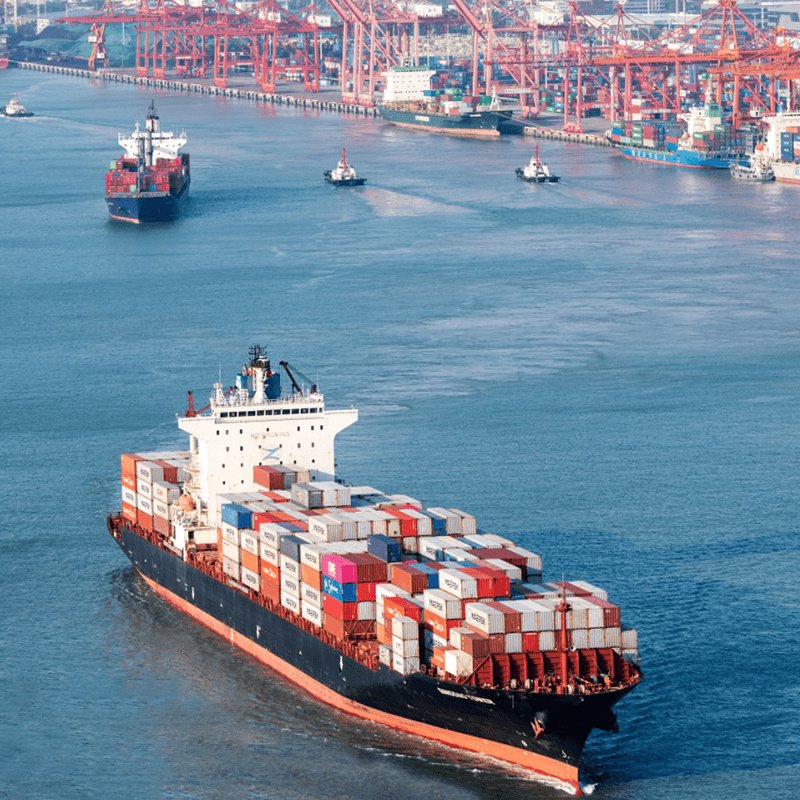
However, this speed comes at a cost. Air freight is generally more expensive than other transportation modes. The high operating costs of airlines, including fuel, maintenance, and airport fees, are passed on to the customers. In contrast, International Ocean Transportation is a much more cost - effective option for large - volume, non - perishable goods. It involves transporting goods in large container ships, which can carry a significantly higher volume of cargo at a lower unit cost. But it lacks the speed of air freight, with transit times often ranging from weeks to months, depending on the destination.
Flexibility and Accessibility
Air freight offers excellent flexibility and accessibility. Airlines operate numerous routes globally, connecting almost every major city and industrial hub. This extensive network allows businesses to reach even the most remote markets with relative ease. For example, a small artisanal food producer in a rural area can use air freight to export its products to international markets, expanding its customer base significantly.
Moreover, air freight is less affected by geographical barriers such as mountains, rivers, and poor road conditions that can disrupt road or rail transportation. It can quickly bypass these obstacles and deliver goods directly to the destination. This makes it an ideal choice for regions with challenging terrains or inadequate infrastructure.
On the other hand, sea freight, while it has a vast global network, is limited to ports. Goods transported by sea often require additional inland transportation to reach their final destination. This can increase the complexity and time of the supply chain. International Cargo Freight involves coordinating multiple parties, including customs brokers, trucking companies, and terminal operators, which can introduce delays and potential disruptions.
Security and Reliability
Air freight is known for its high - level of security. Airports have strict security measures in place, including advanced screening technologies and surveillance systems, to ensure the safety of cargo. This is particularly important for high - value and sensitive goods such as jewelry, electronics, and confidential documents.
In addition, airlines generally have a high level of reliability in terms of schedule adherence. They operate on fixed flight schedules, and modern air traffic management systems help minimize the impact of weather and other disruptions. This allows businesses to plan their supply chain operations more accurately and reduces the risk of inventory shortages.
In comparison, other transportation modes may face more challenges in terms of security and reliability. Road transportation is vulnerable to traffic jams, theft, and driver shortages. Rail transportation can be affected by infrastructure maintenance and disruptions due to natural disasters. Although sea freight has also improved its security measures, the long transit times and multiple handling points increase the risk of cargo damage and loss. Ocean Cargo Logistics requires careful planning and coordination to ensure the smooth movement of goods from origin to destination.
Environmental Impact
In today's environmentally conscious world, the environmental impact of transportation is a growing concern for businesses. Air freight has a relatively high carbon footprint compared to other transportation modes. Airplanes consume a large amount of fuel, and the emissions from aviation contribute to global warming.
However, the airline industry is taking steps to reduce its environmental impact. This includes the development of more fuel - efficient aircraft, the use of sustainable aviation fuels, and the implementation of carbon offset programs. Some businesses are also willing to pay a premium for air freight to offset the environmental cost, especially for urgent shipments.
Sea freight, on the other hand, is considered a more environmentally friendly option. Container ships are more fuel - efficient per ton - mile compared to airplanes, and the industry is also exploring new technologies such as slow - steaming and the use of alternative fuels to reduce emissions. Road and rail transportation also have their own environmental profiles, with road transportation generally having higher emissions per unit of cargo than rail.
Cost - Benefit Analysis
When deciding between air freight and other transportation modes, businesses need to conduct a comprehensive cost - benefit analysis. The total cost of transportation includes not only the direct freight charges but also other factors such as inventory holding costs, insurance costs, and potential loss due to delays.
For low - value, high - volume goods, the cost savings of using sea or rail transportation may outweigh the benefits of air freight. However, for high - value goods or those with a short product life cycle, the cost of using air freight may be justified by the reduced inventory holding time and the ability to meet market demand quickly.
Moreover, businesses need to consider the impact of transportation on their overall supply chain strategy. For example, a just - in - time (JIT) inventory management system may require the use of air freight to ensure the timely delivery of components, while a more traditional inventory model may allow for the use of slower but cheaper transportation modes.

Conclusion
As a provider of Air And Sea Freight Service, I understand that each transportation mode has its own strengths and weaknesses. Air freight competes with other modes based on its speed, flexibility, security, and reliability, but it also faces challenges in terms of cost and environmental impact.
For businesses looking to optimize their supply chain, it is essential to carefully evaluate their specific needs, including the nature of the goods, the delivery time requirements, the budget, and the environmental considerations. By making informed decisions, businesses can choose the most suitable transportation mode or a combination of modes to achieve their logistics goals.
If you are interested in exploring the best freight solutions for your business, I invite you to engage in a procurement discussion. Whether it's air freight for immediate and urgent deliveries or sea freight for cost - effective large - volume shipments, I am here to offer tailored advice and services.
References
- Cullinane, K., & Wang, H. (2006). Managing freight transportation in supply chain management. International Journal of Physical Distribution & Logistics Management, 36(2), 112 - 130.
- Rodrigue, J. P., Comtois, C., & Slack, B. (2013). The geography of transport systems. Routledge.
- Notteboom, T., & Rodrigue, J. P. (2009). Port regionalization: Towards a new phase in port development. Maritime Policy & Management, 36(3), 297 - 313.