

How does Global International Cargo handle the transition of cargo between different transportation modes?
As a long - standing supplier for Global International Cargo, I've witnessed firsthand the intricate processes and strategic maneuvers involved in handling the transition of cargo between different transportation modes. In this blog, I'll delve into the various aspects of this crucial operation, sharing insights based on my years of experience in the industry.
The Complexity of Multimodal Cargo Transition
The world of international cargo is far from one - dimensional. Goods often need to travel across continents and oceans, which requires seamless transitions between different transportation modes such as air, sea, road, and rail. Each mode has its own set of advantages, limitations, and operational requirements. For instance, air freight is known for its speed and reliability, making it ideal for high - value, time - sensitive goods. On the other hand, sea freight offers a cost - effective solution for large - volume shipments.
Global International Cargo has to carefully balance these factors to ensure that cargo is transported in the most efficient and cost - effective manner possible. This involves not only choosing the right combination of transportation modes but also managing the transfer points between them.
Planning the Multimodal Route
The first step in handling the transition of cargo between different transportation modes is to plan the multimodal route. This process begins with a detailed assessment of the cargo itself, including its size, weight, value, and destination. Based on this information, our team at Global International Cargo will determine the most suitable transportation modes and the sequence in which they should be used.
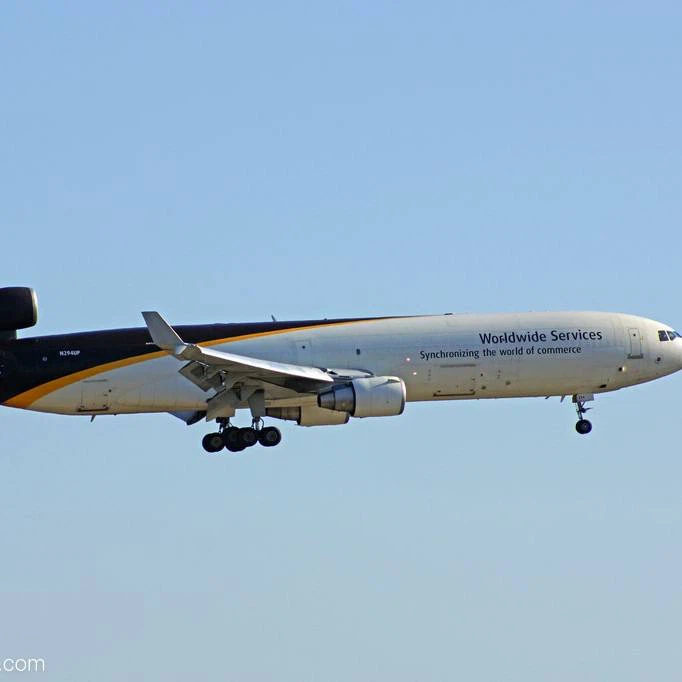
For example, if a customer needs to ship high - value electronics from Asia to Europe, we might recommend a combination of air and road transportation. The cargo would first be flown from an Asian airport to a European hub airport using Air Freight Transport. From there, it would be transferred to a truck for the final leg of the journey to its destination. This route takes advantage of the speed of air freight for the long - distance part of the journey and the flexibility of road transportation for the last - mile delivery.
Coordinating with Multiple Carriers
Once the multimodal route has been planned, the next challenge is to coordinate with multiple carriers. Each transportation mode is typically operated by different companies, and ensuring smooth communication and cooperation between them is essential.
Global International Cargo has established strong partnerships with a network of carriers around the world. We work closely with airlines, shipping lines, trucking companies, and rail operators to ensure that the cargo is transferred seamlessly between different modes of transportation. This involves sharing detailed information about the cargo, such as its weight, dimensions, and special handling requirements, well in advance of the transfer.
For example, when transferring cargo from air to sea, we need to ensure that the cargo is properly packed and labeled for sea transportation. We also need to coordinate the timing of the transfer to avoid any delays. Our team communicates regularly with both the airline and the shipping line to ensure that the cargo is ready for transfer at the right time and place.
Handling Cargo at Transfer Points
Transfer points are critical junctions in the multimodal transportation process. At these points, the cargo is physically moved from one mode of transportation to another, and any mishandling can lead to delays, damage, or even loss of the cargo.
Global International Cargo has strict procedures in place for handling cargo at transfer points. Our trained staff is responsible for ensuring that the cargo is loaded and unloaded safely and efficiently. They use specialized equipment, such as forklifts and cranes, to handle the cargo, and they follow strict safety protocols to prevent accidents.
For example, when transferring cargo from a truck to a train, our staff will carefully inspect the cargo to ensure that it is in good condition. They will then use the appropriate equipment to load the cargo onto the train, making sure that it is properly secured to prevent shifting during transit.
Managing Documentation and Customs Clearance
Another important aspect of handling the transition of cargo between different transportation modes is managing documentation and customs clearance. Each transportation mode and each country has its own set of documentation requirements, and ensuring that all the necessary paperwork is in order is crucial for a smooth transfer.
Global International Cargo has a dedicated team of documentation experts who are responsible for preparing and processing all the required documents. This includes bills of lading, air waybills, customs declarations, and other relevant paperwork. Our team also works closely with customs authorities to ensure that the cargo clears customs quickly and smoothly.
For example, when shipping cargo from the United States to China, we need to prepare detailed customs declarations that include information about the cargo's value, origin, and destination. Our documentation experts will work with the customer to gather all the necessary information and ensure that the declarations are accurate and complete.
Leveraging Technology for Efficiency
In today's digital age, technology plays a crucial role in handling the transition of cargo between different transportation modes. Global International Cargo uses advanced software and tracking systems to monitor the movement of cargo in real - time. This allows us to identify any potential issues or delays and take proactive measures to address them.
For example, our tracking system allows us to track the location of the cargo at every stage of the journey. We can see when the cargo has been loaded onto a plane, when it has arrived at a transfer point, and when it is expected to reach its final destination. This information is also shared with our customers, giving them full visibility and peace of mind.
Ensuring Safety and Security
Safety and security are of utmost importance in the international cargo industry. Global International Cargo takes a comprehensive approach to ensuring the safety and security of the cargo during the transition between different transportation modes.
We implement strict security measures at all transfer points, including CCTV surveillance, access control, and security checks. Our staff is trained to identify and respond to any potential security threats. In addition, we work closely with law enforcement agencies and regulatory authorities to ensure compliance with all safety and security regulations.
Conclusion and Call to Action
In conclusion, handling the transition of cargo between different transportation modes is a complex but essential process in the international cargo industry. Global International Cargo has the expertise, experience, and resources to manage this process effectively, ensuring that your cargo is transported safely, efficiently, and cost - effectively.
If you are in need of reliable international cargo services, we invite you to contact us to discuss your specific requirements. Our team of experts is ready to provide you with customized solutions and exceptional service. Whether you need Air Cargo And Container Service or Air Freight Cargo, we have the capabilities to meet your needs.

References
- International Air Transport Association (IATA) Cargo Regulations
- International Maritime Organization (IMO) Guidelines for Cargo Transport
- World Customs Organization (WCO) Customs Procedures and Documentation