

How does sea freight handle perishable goods?
Hey there! I'm part of an air freight and sea freight supplier, and today I wanna chat about how sea freight handles perishable goods. It's a topic that's super important in our industry, and there's a lot to unpack.
The Challenge of Perishable Goods
Perishable goods, like fresh fruits, vegetables, seafood, and some pharmaceuticals, are a bit of a headache for shippers. These items have a short shelf - life, and any delay or improper handling can lead to spoilage. That means big losses for everyone involved, from the producers to the retailers.
When it comes to sea freight, the long transit times are the biggest hurdle. Unlike air freight, which can get goods from point A to point B in a matter of hours or a couple of days, sea freight can take weeks. So, we need to come up with some pretty nifty solutions to keep these perishable items fresh during the journey.
Specialized Containers
One of the key ways sea freight manages perishable goods is through the use of specialized containers. Refrigerated containers, also known as reefers, are a game - changer. These containers are equipped with temperature - control systems that can be set to the specific requirements of the cargo. For example, some fruits like bananas need to be kept at around 13 - 15 degrees Celsius, while seafood might require temperatures as low as -20 degrees Celsius.
Reefers are also insulated to prevent heat transfer from the outside environment. They have sensors that constantly monitor the temperature inside the container and can adjust the cooling system as needed. This way, we can ensure that the perishable goods are kept in the ideal conditions throughout the entire sea voyage.
Another type of specialized container is the ventilated container. These are used for goods that need a constant supply of fresh air, like certain types of produce. The ventilation system in these containers helps to remove moisture and prevent the build - up of ethylene gas, which can cause fruits and vegetables to ripen too quickly.
Pre - shipment Preparation
Before the perishable goods even make it onto the ship, there's a lot of prep work to be done. First, the goods need to be properly packed. This involves using materials that can protect the items from physical damage and also help to maintain the right temperature and humidity levels. For example, fruits might be packed in ventilated crates lined with plastic to keep them fresh.
The producers also need to ensure that the goods are in good condition before shipping. Any damaged or spoiled items should be removed to prevent them from affecting the rest of the cargo. Quality control checks are essential at this stage to make sure that only the best - quality goods are being shipped.
Once the goods are packed, they need to be pre - cooled. This is especially important for goods that are going into reefers. Pre - cooling helps to bring the temperature of the cargo down to the required level before it's loaded into the container. It reduces the workload on the refrigeration system in the container and ensures a more stable temperature during transit.
Shipping Routes and Schedules
Choosing the right shipping route and schedule is crucial when it comes to transporting perishable goods by sea. We need to select routes that have the shortest transit times possible while still being safe and reliable. For example, if we're shipping fresh produce from South America to Europe, we might choose a route that goes through the Panama Canal rather than a longer route around the southern tip of South America.
We also need to consider the shipping schedules. We try to book vessels that have regular and reliable departure and arrival times. This helps to minimize the time that the perishable goods spend in transit and reduces the risk of delays. Sometimes, we might even opt for express sea freight services, which are designed to get the cargo to its destination as quickly as possible.
Monitoring and Tracking
During the sea voyage, we use advanced tracking and monitoring systems to keep an eye on the perishable goods. GPS technology allows us to track the location of the container at all times, so we can give our customers real - time updates on the status of their cargo.
In addition to location tracking, we also monitor the temperature and humidity levels inside the container. The sensors in the reefers send data back to our control centers, where our team can keep an eye on the conditions. If there are any issues, like a temperature spike, we can take immediate action. This might involve contacting the ship's crew to check the container or making arrangements to offload the cargo at the nearest port for inspection and possible re - routing.
Handling at Ports
The handling of perishable goods at ports is another critical aspect. When the ship arrives at the port, the containers need to be unloaded as quickly as possible. Specialized equipment, like forklifts and cranes, are used to move the containers from the ship to the storage area.

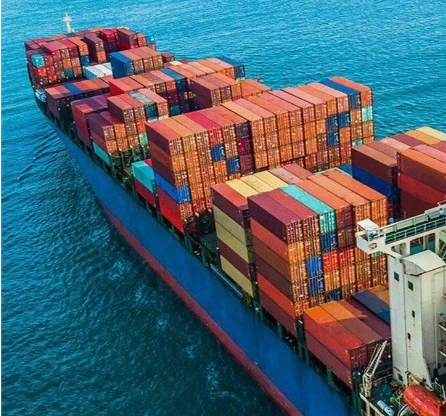
At the storage area, the goods need to be kept in the right conditions. There are often cold storage facilities at ports where the reefers can be connected to a power supply to maintain the temperature. The goods also need to be transferred to the next mode of transportation, whether it's a truck or a train, as soon as possible to minimize the time they spend at the port.
Challenges and Solutions
Of course, there are always challenges when it comes to handling perishable goods by sea freight. One of the biggest challenges is power outages. If there's a power failure on the ship or at the port, the refrigeration systems in the reefers can stop working, which can quickly lead to spoilage. To address this issue, many reefers are equipped with backup power generators. These generators can kick in automatically in case of a power outage and keep the temperature - control system running for a certain period of time.
Another challenge is customs clearance. Delays at customs can add extra time to the transit of perishable goods. To avoid this, we work closely with customs agents to ensure that all the necessary documentation is in order before the goods arrive at the port. We also try to use expedited customs clearance procedures whenever possible.
Conclusion
Handling perishable goods by sea freight is a complex but rewarding process. With the right equipment, pre - shipment preparation, shipping routes, and monitoring systems, we can ensure that these goods reach their destination in good condition. As an air freight and sea freight supplier, we're constantly looking for ways to improve our services and make the transportation of perishable goods more efficient and reliable.
If you're interested in shipping perishable goods by sea, we'd love to have a chat with you. We can provide you with more information about our Sea Freight To Thailand services, how to Ship By Sea Freight, and our Sea Container Shipping Company capabilities. Just reach out to us, and we'll work together to find the best solution for your cargo.
References
- "Ocean Freight: A Comprehensive Guide to Shipping Goods by Sea", Maritime Press
- "Perishable Cargo Handling in the Shipping Industry", Logistics Journal
- "Temperature - Controlled Shipping: Best Practices for Perishable Goods", Cold Chain Magazine