

How to book a sea freight shipment?
Hey there! If you're looking to ship goods via sea freight, you've come to the right place. I'm a supplier in the sea freight shipping business, and I'm here to walk you through the process of booking a sea freight shipment. It might seem a bit daunting at first, but trust me, it's not as complicated as it sounds.
Understanding Your Shipment
First things first, you need to have a clear understanding of what you're shipping. This includes details like the type of goods, their quantity, weight, and dimensions. Is it a single container full of electronics, or multiple pallets of clothing? Knowing these details is crucial because they'll determine the type of container you need and the shipping costs.
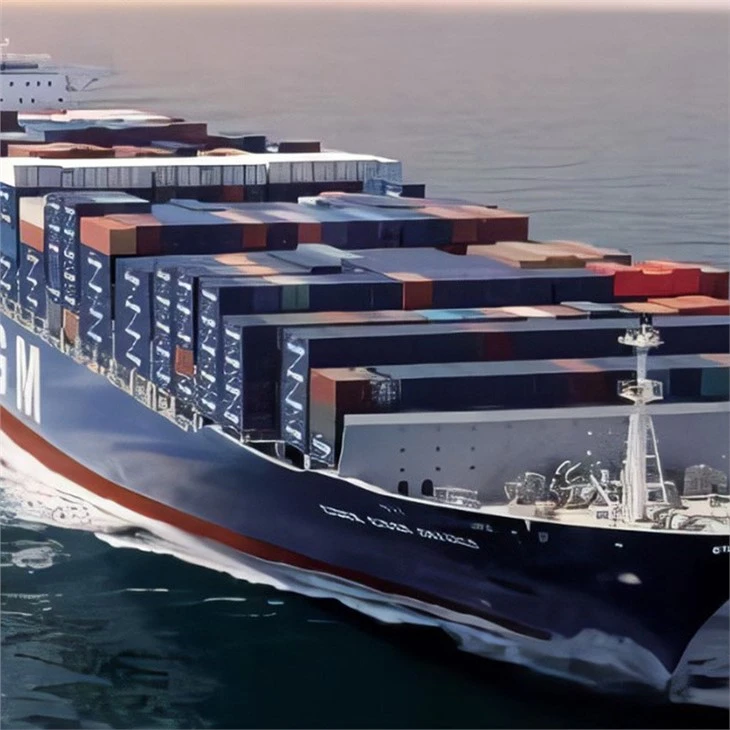

For example, if you're shipping heavy machinery, you'll likely need a special type of container that can handle the weight. On the other hand, if you're shipping perishable goods, you might need a refrigerated container to keep them fresh during transit.
Choosing the Right Shipping Route
Once you know what you're shipping, the next step is to choose the right shipping route. There are several factors to consider here, such as the origin and destination ports, transit time, and the availability of shipping lines.
Some ports are busier than others, which can affect the transit time. For instance, if you're shipping from a major port like Shanghai to Los Angeles, there are likely to be more shipping options and shorter transit times compared to shipping from a smaller port.
You can also look into different shipping lines. Some lines are known for their reliability, while others might offer better rates. It's a good idea to do some research and compare different options before making a decision. You can find more information about international shipping routes and options on International Cargo Freight.
Selecting the Container Type
As I mentioned earlier, the type of container you choose depends on the nature of your goods. Here are some common container types:
- 20-foot Container: This is a standard container that's suitable for small to medium-sized shipments. It can hold up to about 20 tons of cargo.
- 40-foot Container: If you have a larger shipment, a 40-foot container might be a better option. It can hold up to about 26 tons of cargo.
- Refrigerated Container: For perishable goods like food or pharmaceuticals, a refrigerated container is essential to maintain the right temperature during transit.
- Open-top Container: If you're shipping oversized or bulky items that can't fit through the container doors, an open-top container might be the solution.
Booking the Shipment
Now that you have all the details sorted out, it's time to book the shipment. You can do this through a freight forwarder or directly with the shipping line.
If you choose to work with a freight forwarder, they'll handle all the paperwork and logistics for you. They have experience in the industry and can help you navigate through the complex process of booking a sea freight shipment. You can find more information about freight forwarding services on Air and Ocean Freight Forwarding.
When booking the shipment, you'll need to provide the following information:
- Shipper and Consignee Details: This includes the names, addresses, and contact information of the sender and the receiver.
- Cargo Details: As mentioned earlier, you'll need to provide details about the type, quantity, weight, and dimensions of the goods.
- Shipping Route: Specify the origin and destination ports.
- Container Type: Let the shipping line or freight forwarder know which type of container you need.
- Shipping Date: Provide the desired shipping date.
Preparing the Goods for Shipment
Before the goods are loaded onto the ship, you need to make sure they're properly prepared. This includes packing the goods securely to prevent damage during transit. You might also need to label the packages with the necessary information, such as the shipper's and consignee's details, the contents of the package, and any handling instructions.
If you're shipping hazardous materials, you'll need to follow strict regulations regarding their packaging, labeling, and documentation. Make sure you're aware of these regulations and comply with them to avoid any delays or fines.
Customs Clearance
Customs clearance is an important part of the sea freight shipping process. You'll need to provide the necessary documentation to clear the goods through customs at both the origin and destination ports.
The documentation typically includes a commercial invoice, a bill of lading, and a packing list. The commercial invoice provides details about the goods and their value, while the bill of lading is a document that serves as a receipt for the goods and a contract of carriage. The packing list provides a detailed list of the contents of each package.
You can find more information about customs clearance procedures on Release From Customs Clearance.
Tracking the Shipment
Once the shipment is on its way, you can track its progress using the tracking number provided by the shipping line or freight forwarder. This will give you an idea of where the goods are and when they're expected to arrive at the destination port.
Most shipping lines and freight forwarders have online tracking systems that you can access to get real-time updates on the shipment. This can be very useful, especially if you need to plan for the delivery of the goods at the destination.
Delivery at the Destination
Once the goods arrive at the destination port, they'll need to be cleared through customs and then delivered to the consignee. The freight forwarder or shipping line can arrange for the delivery of the goods to the final destination.
Make sure you're aware of the delivery options available and choose the one that best suits your needs. You might also need to pay any additional fees, such as customs duties and taxes, before the goods can be released.
Conclusion
Booking a sea freight shipment might seem like a complex process, but with the right information and guidance, it can be a smooth and hassle-free experience. As a sea freight shipping supplier, I'm here to help you every step of the way.
If you have any questions or need assistance with booking a sea freight shipment, don't hesitate to reach out. We can discuss your specific requirements and find the best shipping solution for you. Whether you're a small business owner looking to expand your market overseas or a large corporation shipping goods in bulk, we have the expertise and resources to meet your needs.
So, if you're ready to start shipping your goods via sea freight, let's get in touch and start the process. I look forward to working with you!
References
- General knowledge of the sea freight shipping industry.
- Information from relevant industry websites and publications.