

How to book air freight service?
Booking air freight services can be a complex but rewarding process, especially when you're looking to move your goods efficiently and cost - effectively. As a provider of Air And Sea Freight Service, I'm here to guide you through the essential steps of booking air freight services, sharing insider tips and best practices that will help you navigate this global logistics network with confidence.
Understanding Your Freight Requirements
Before you start the booking process, it's crucial to have a clear understanding of your freight needs. This includes identifying the type of goods you're shipping, their dimensions, weight, and special handling requirements. For instance, perishable items require special temperature - controlled containers, while hazardous materials must comply with strict international regulations. Documenting these details accurately will help you choose the right airline and service for your cargo.
Gathering Quote Information
Once you understand your freight requirements, reach out to multiple air freight carriers to gather quotes. You can do this by contacting airlines directly or through freight forwarders like us, who have access to a network of carriers and can often negotiate better rates. When requesting quotes, provide as much information as possible about your shipment, including origin and destination airports, expected shipping dates, and any special requirements.
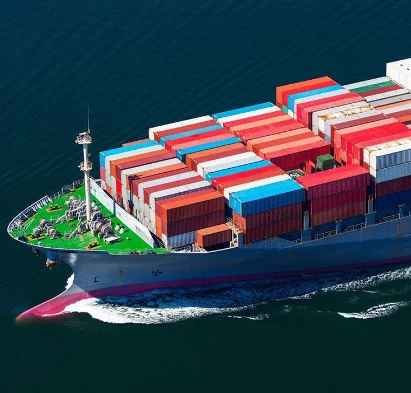
When comparing quotes, don't just look at the price. Consider the transit time, reliability of the carrier, and the level of customer service offered. A slightly higher - priced option may save you time and money in the long run if it offers faster delivery and more comprehensive support. For businesses dealing with both sea and air shipments, exploring the Air Freight And Sea Freight options can provide more flexibility and cost - effective solutions.
Selecting the Right Air Freight Service
There are several types of air freight services available, each with its own advantages and limitations. For high - value, time - sensitive goods, express air freight is the best option, offering fast delivery and real - time tracking. Standard air freight is a more cost - effective choice for less urgent shipments, with slightly longer transit times.
When choosing a service, also consider the airline's route network and flight schedules. Some airlines may offer more direct flights to your destination, reducing transit times and the risk of damage or loss during transfers. Additionally, look for carriers that have a good reputation for handling your type of goods, especially if you're shipping sensitive or hazardous materials.
Preparing Your Shipment
Once you've selected an air freight service, it's time to prepare your shipment for transport. Proper packaging is essential to protect your goods during transit. Use sturdy boxes or containers that are appropriate for the size and weight of your items, and secure them with strong packing materials such as bubble wrap, foam peanuts, or air pillows.
Label your packages clearly with the destination address, your return address, and any special handling instructions. If you're shipping multiple packages, ensure that each one is numbered and clearly marked. This will help the airline and ground handlers sort and handle your shipment more efficiently. For those interested in sea - based shipping options, Shipment Through Sea and Shipping Via Sea offer additional information on ocean freight services.
Completing the Necessary Documentation
Air freight requires a significant amount of documentation to ensure compliance with international regulations and smooth customs clearance. The most important documents include the air waybill (AWB), which serves as a contract between the shipper and the carrier, and a detailed packing list that describes the contents of your shipment.
You may also need to provide additional documents depending on the nature of your goods and the destination country. For example, if you're shipping food products, you'll need to provide a certificate of origin and a health certificate. If you're shipping high - value items, you may need to provide a commercial invoice. Make sure to complete all documentation accurately and in advance to avoid delays at customs.
Arranging Pick - up and Delivery
Most air freight carriers offer pick - up and delivery services, which can save you time and effort. When arranging pick - up, provide the carrier with detailed instructions on where to find your shipment and the best time to pick it up. Make sure someone is available to hand over the goods and sign the necessary documents.
Similarly, when arranging delivery, provide the recipient's contact information and delivery address. Track your shipment using the carrier's online tracking system to ensure that it arrives on time and in good condition. If there are any issues or delays, contact the carrier immediately to resolve them.
Tracking and Monitoring Your Shipment
Once your shipment is in transit, it's important to track and monitor its progress regularly. Most airlines and freight forwarders provide online tracking tools that allow you to view the status of your shipment in real - time, including its location, estimated time of arrival, and any potential delays.
If you notice any issues or discrepancies, contact the carrier or your freight forwarder right away. They can provide you with more information and help you resolve any problems that may arise. Staying informed about your shipment's progress can give you peace of mind and help you plan your inventory and supply chain more effectively.
Dealing with Customs and Regulations
Customs clearance is a critical part of the air freight process. Each country has its own set of customs regulations and requirements, and it's your responsibility as the shipper to ensure that your shipment complies with these rules. Failure to do so can result in delays, fines, or even the seizure of your goods.
Before shipping, research the customs regulations of the destination country and ensure that you have all the necessary documentation. You may also want to consider hiring a customs broker to assist you with the clearance process. A customs broker has the expertise and experience to navigate the complex customs procedures and can help you avoid costly mistakes.
Evaluating and Improving Your Air Freight Process
After your shipment has been successfully delivered, take the time to evaluate the air freight process. Consider factors such as the carrier's performance, the accuracy of the quotes, and the level of customer service. Identify any areas where improvements can be made and make adjustments to your future bookings accordingly.
You can also use customer feedback and industry trends to stay up - to - date on the latest air freight technologies and best practices. By continuously improving your air freight process, you can save time and money, improve the reliability of your shipments, and enhance your overall supply chain efficiency.
Conclusion
Booking air freight services doesn't have to be a daunting task. By following the steps outlined in this guide and leveraging the expertise of a professional air and sea freight service provider like us, you can ensure that your shipments are handled efficiently and cost - effectively. Whether you're shipping high - value electronics, perishable goods, or industrial equipment, we have the knowledge and resources to meet your air freight needs.
If you're interested in learning more about our air and sea freight services or would like to discuss your specific shipping requirements, we encourage you to reach out. Our team of experienced logistics professionals is ready to assist you in planning and executing your next shipment. Let's work together to streamline your supply chain and achieve your business goals.

References
- International Air Transport Association (IATA) Regulations and Guidelines
- Customs regulations of various countries