

How to ensure the quality of sea freight shipping services?
In the dynamic landscape of international trade, sea freight shipping stands as a cornerstone, facilitating the movement of goods across vast oceans. As a dedicated Sea Freight Shipping provider, I understand the critical importance of ensuring top-notch service quality. This blog delves into the key strategies and practices that can help guarantee the excellence of sea freight shipping services.
1. Comprehensive Planning and Route Optimization
Effective sea freight shipping begins with meticulous planning. Before any cargo is loaded onto a vessel, a detailed analysis of the shipment is essential. This includes understanding the nature of the goods, their volume, weight, and any special handling requirements. By having a clear picture of the cargo, we can make informed decisions regarding the most suitable shipping methods and vessels.
Route optimization is another crucial aspect of planning. Selecting the best route not only reduces transit time but also minimizes fuel consumption and potential risks. Advanced technologies such as GPS tracking and real - time weather forecasting play a vital role in this process. By leveraging these tools, we can avoid adverse weather conditions and congested shipping lanes. For instance, if there is a storm in the predicted path, we can adjust the route to ensure the safety of the cargo and the vessel.
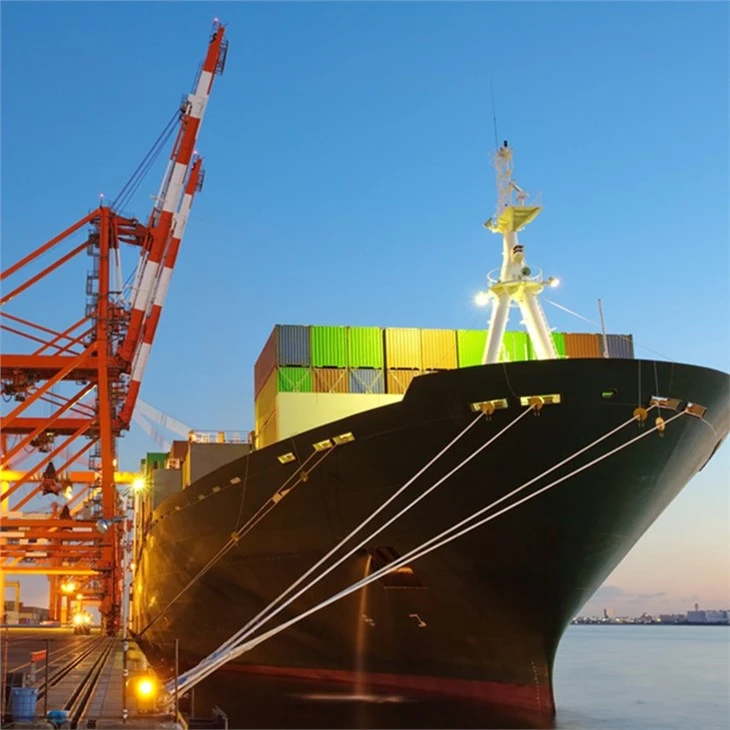

Furthermore, we need to consider the port facilities and infrastructure along the route. Ports with efficient handling equipment and streamlined customs procedures can significantly enhance the overall shipping experience. This reduces the time spent at ports and minimizes the chances of delays. Sea Transport Services offer in - depth knowledge and expertise in route planning, ensuring that each shipment takes the most efficient path.
2. Vessel Selection and Maintenance
The choice of vessel is a pivotal factor in determining the quality of sea freight shipping services. Different types of vessels are designed to carry various types of cargo. For example, container ships are ideal for transporting standardized containers, while bulk carriers are used for large - volume, unpackaged goods such as grains or minerals.
When selecting a vessel, we assess its condition, capacity, and compliance with international safety and environmental regulations. A well - maintained vessel is less likely to encounter mechanical problems during the voyage, which can lead to costly delays. Regular inspections and maintenance checks are conducted to ensure that the vessel is in optimal working condition. This includes checking the engine, navigation equipment, and safety systems.
Moreover, we consider the vessel's speed and reliability. A faster vessel can reduce transit time, which is particularly important for time - sensitive cargo. However, speed should not come at the expense of safety. By carefully balancing these factors, we can select the most appropriate vessel for each shipment. Ocean Freight Logistics provide access to a wide range of vessels, allowing us to match the right vessel with the cargo requirements.
3. Cargo Handling and Packaging
Proper cargo handling and packaging are essential to protect the goods during transit. At the origin port, the cargo is loaded onto the vessel using specialized equipment such as cranes and forklifts. Trained personnel ensure that the cargo is loaded in a secure and stable manner, following the vessel's stowage plan. This prevents shifting and damage during the voyage.
Packaging also plays a crucial role in safeguarding the cargo. The packaging should be appropriate for the nature of the goods. For example, fragile items require extra cushioning and protection. We work closely with our clients to provide guidance on the best packaging solutions. This not only reduces the risk of damage but also ensures compliance with shipping regulations.
In addition, we implement strict quality control measures during the loading and unloading process. Inspections are carried out to check for any signs of damage or improper handling. Any issues are immediately addressed to ensure that the cargo arrives at its destination in the same condition as when it was loaded.
4. Cargo Insurance and Risk Management
Despite all the precautions taken, unforeseen events can occur during sea freight shipping. These may include natural disasters, piracy, or mechanical failures. To protect our clients' interests, we strongly recommend cargo insurance. Cargo insurance provides financial compensation in case of loss or damage to the goods during transit.
We work with reputable insurance providers to offer comprehensive insurance coverage tailored to the specific needs of each shipment. The insurance policy should cover a wide range of risks, including theft, fire, and collision. By having adequate insurance, our clients can have peace of mind knowing that their cargo is protected.
Risk management is also an integral part of ensuring the quality of sea freight shipping services. We conduct regular risk assessments to identify potential hazards and develop strategies to mitigate them. This may involve implementing security measures to prevent piracy, or having contingency plans in case of adverse weather conditions. For example, if a hurricane is predicted, we can take proactive steps such as diverting the vessel to a safe port.
5. Communication and Customer Service
Clear and effective communication is the key to a successful sea freight shipping operation. We maintain open lines of communication with our clients throughout the shipping process. This includes providing regular updates on the status of the shipment, estimated arrival times, and any potential issues.
Our customer service team is available 24/7 to address any concerns or queries that our clients may have. We understand that timely and accurate information is crucial for our clients to plan their business operations effectively. By providing excellent customer service, we build trust and long - term relationships with our clients.
In addition, we communicate with all the parties involved in the shipping process, including shipping agents, port authorities, and customs officials. This ensures that all aspects of the shipment are coordinated smoothly. For example, we work closely with customs officials to ensure that all the necessary documentation is in order and that the cargo can clear customs without any delays.
6. Environmental Sustainability
In today's world, environmental sustainability is a growing concern in the shipping industry. As a responsible Sea Freight Shipping provider, we are committed to reducing our environmental impact. This includes implementing measures to reduce greenhouse gas emissions, such as using more fuel - efficient vessels and optimizing routes to minimize fuel consumption.
We also comply with international environmental regulations, such as the International Maritime Organization's (IMO) regulations on sulfur emissions. By using low - sulfur fuels or installing exhaust gas cleaning systems, we can reduce the environmental impact of our vessels.
Furthermore, we promote sustainable practices throughout our operations. This may include recycling and waste management at our offices and terminals. By taking these steps, we not only contribute to a cleaner environment but also enhance our reputation as a socially responsible shipping provider.
7. Quality Assurance and Continuous Improvement
To ensure the long - term quality of our sea freight shipping services, we have a robust quality assurance system in place. This includes regular audits and evaluations of our operations to identify areas for improvement. We collect feedback from our clients and use it to make necessary adjustments to our processes.
We also invest in training and development for our employees. By keeping our staff up - to - date with the latest industry trends and best practices, we can provide a higher level of service. Continuous improvement is an ongoing process, and we are constantly looking for ways to enhance the efficiency and reliability of our sea freight shipping services.
Conclusion
Ensuring the quality of sea freight shipping services requires a multi - faceted approach. From comprehensive planning and vessel selection to cargo handling, insurance, and communication, every aspect plays a crucial role. As a Sea Freight Shipping provider, we are committed to delivering the highest level of service to our clients.
If you are looking for reliable and high - quality sea freight shipping services, whether it's for Sea Freight To Brazil or any other destination, we are here to help. We invite you to contact us for a detailed discussion about your shipping requirements and to explore how we can meet your needs.
References
- International Maritime Organization (IMO) - Regulations and guidelines on maritime safety and environmental protection.
- Shipping industry reports and publications on best practices in sea freight shipping.
- Academic research on supply chain management and logistics in the context of sea freight.