

How to ship books via LCL sea freight?
Shipping books via Less than Container Load (LCL) sea freight can be a cost - effective and efficient way to transport your valuable literary items across the globe. As an LCL Sea Freight supplier, I have extensive experience in handling such shipments and will share with you the ins and outs of this process.
Understanding LCL Sea Freight
LCL sea freight is a shipping method where multiple shippers' goods are consolidated into a single container. This is an ideal option for those who do not have enough volume to fill an entire container. Instead of paying for a full - container load (FCL), shippers only pay for the space their goods actually occupy in the shared container.
One of the main advantages of LCL for shipping books is cost - savings. If you are a small - scale book distributor, an independent publisher, or an individual looking to send a collection of books, you may not have a large enough quantity to justify an FCL. With LCL, you can avoid the high costs associated with unused container space and still get your books to their destination.

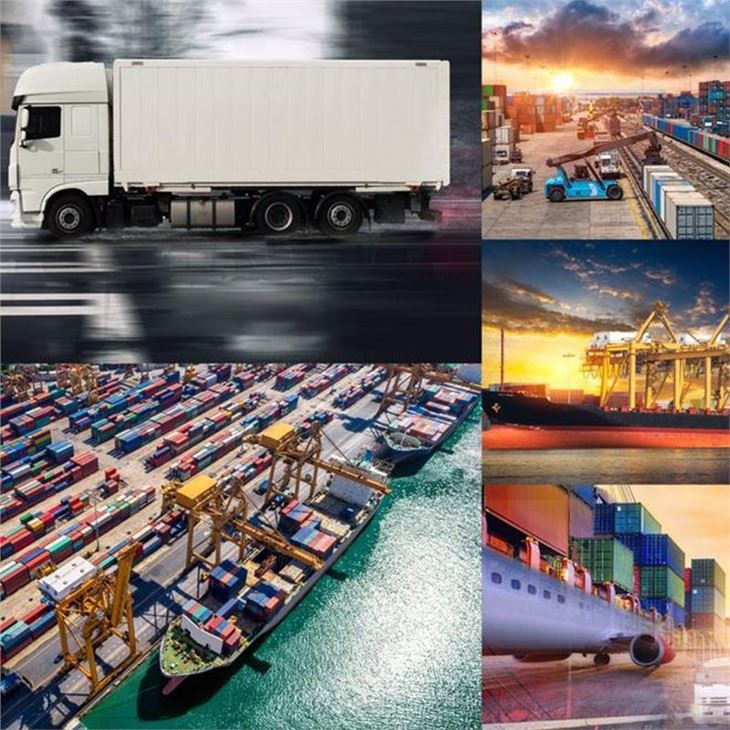
Another benefit is flexibility. LCL services are available on a regular basis, and you can ship your books as soon as they are ready, without having to wait until you have a full container's worth of inventory. This allows for more efficient inventory management and faster turnaround times.
Preparing Your Books for Shipment
Before shipping your books via LCL sea freight, proper preparation is crucial to ensure their safety during transit.
Packaging: Use sturdy cardboard boxes that are appropriate for the size and weight of your books. Place a layer of protective material, such as bubble wrap or packing paper, at the bottom of the box. Stack the books neatly, preferably spine - down to prevent damage to the covers. Fill any empty spaces in the box with additional packing material to prevent the books from shifting during transit. Seal the box securely with strong packing tape.
Labeling: Clearly label each box with the destination address, your return address, and a description of the contents (e.g., "Books"). It is also a good idea to include a handling instruction label, such as "Fragile" or "This Side Up".
Documentation: You will need to prepare the necessary shipping documents. This typically includes a commercial invoice, which details the value, quantity, and description of the books. A packing list is also required, listing the contents of each box. Additionally, depending on the destination country, you may need to provide other documents such as a certificate of origin or import licenses.
Selecting a Sea Forwarder
Choosing the right Sea Forwarder is essential for a smooth shipping process. A reliable sea forwarder will have the expertise and resources to handle all aspects of your LCL shipment, from consolidation to customs clearance.
Look for a forwarder with a good reputation in the industry. Check online reviews and ask for references from other shippers. They should have experience in handling book shipments specifically, as books may have special requirements such as proper storage conditions and handling procedures.
The forwarder should also offer competitive rates and transparent pricing. Make sure you understand all the costs involved, including freight charges, handling fees, and any additional surcharges. A good forwarder will provide you with a detailed quote upfront and explain the breakdown of costs.
The Shipping Process
Once you have prepared your books and selected a sea forwarder, the following steps outline the typical LCL sea freight shipping process:
Consolidation: Your sea forwarder will collect your packed boxes of books and transport them to a consolidation center. At the consolidation center, your books will be combined with other shippers' goods into a single container. This process requires careful planning to ensure that the container is loaded efficiently and that the goods are secure.
Loading: After consolidation, the container is loaded onto a cargo ship. The loading process is carried out by experienced dockworkers who follow strict safety and loading guidelines.
Transit: The container then begins its journey across the ocean. The transit time can vary depending on the origin and destination ports, as well as the shipping route. Your sea forwarder can provide you with an estimated transit time based on the specific details of your shipment.
Customs Clearance: When the container arrives at the destination port, it must go through customs clearance. This involves presenting the necessary shipping documents to the customs authorities and paying any applicable duties and taxes. Your Forwarding And Clearing Agents will assist you with this process and ensure that all the requirements are met.
Delivery: Once customs clearance is completed, the container is unloaded, and your books are separated from the other goods. They are then delivered to the final destination address. You can choose between door - to - door delivery or port - to - port delivery, depending on your needs.
Cost Considerations
The cost of shipping books via LCL sea freight depends on several factors.
Volume and Weight: The amount of space your books occupy in the container (measured in cubic meters) and their weight will determine the freight charges. Generally, the more volume or weight your shipment has, the higher the cost.
Distance: The distance between the origin and destination ports also affects the cost. Longer shipping routes typically incur higher freight charges.
Additional Services: Services such as insurance, special handling, or expedited delivery will add to the overall cost. It is important to discuss these options with your sea forwarder and determine which ones are necessary for your shipment.
Insurance for Your Book Shipment
While every effort is made to ensure the safe transit of your books, unforeseen events such as accidents, natural disasters, or theft can occur. Therefore, it is highly recommended to purchase insurance for your LCL sea freight shipment.
Insurance will provide financial protection in case your books are damaged, lost, or stolen during transit. Your sea forwarder can help you arrange for appropriate insurance coverage. Make sure to read the terms and conditions of the insurance policy carefully to understand what is covered and what the exclusions are.
Regulatory and Compliance Issues
When shipping books via LCL sea freight, you need to be aware of various regulatory and compliance issues.
Import Regulations: Different countries have different import regulations for books. Some countries may have restrictions on certain types of books, such as those containing sensitive or prohibited content. It is your responsibility to research and comply with the import regulations of the destination country. Your sea forwarder can also provide guidance on this matter.
Intellectual Property Rights: If you are shipping copyrighted books, make sure you have the necessary permissions and comply with intellectual property laws. This includes ensuring that the books are legally produced and distributed.
Contact for Procurement and洽谈
If you are interested in shipping your books via LCL sea freight and would like to discuss your specific requirements, I encourage you to reach out. As an experienced LCL Sea Freight supplier, I can offer you tailored solutions to meet your shipping needs. Whether you are a small business or an individual, I am here to assist you in ensuring a smooth and cost - effective shipping process.
References
- International Maritime Organization (IMO) Guidelines for Safe Shipping
- World Customs Organization (WCO) - Customs Procedures and Documentation
- International Chamber of Commerce (ICC) - Incoterms for International Trade
In conclusion, shipping books via LCL sea freight is a viable option that offers cost - savings, flexibility, and reliability. By following the steps outlined above and working with a reputable sea forwarder, you can ensure that your books reach their destination safely and on time.