

What are the challenges faced by LCL sea freight forwarders?
As a provider of LCL (Less than Container Load) sea freight services, I've witnessed firsthand the myriad challenges that LCL sea freight forwarders encounter in today's dynamic global trade environment. In this blog, I'll delve into the key obstacles we face and explore potential solutions to overcome them.
1. Complex Pricing Structures
One of the most significant challenges for LCL sea freight forwarders is navigating complex pricing structures. Unlike FCL (Full Container Load) shipments, where the cost is primarily based on the container size and shipping route, LCL pricing involves multiple factors. These include the volume and weight of the cargo, the origin and destination ports, the type of goods, and additional services such as customs clearance and insurance.
Moreover, the pricing in the LCL market is highly competitive, with numerous forwarders vying for business. This often leads to price fluctuations, making it difficult to provide accurate and stable quotes to customers. To address this challenge, forwarders need to have a deep understanding of the market and develop sophisticated pricing models that take into account all relevant factors. They also need to maintain strong relationships with carriers to negotiate favorable rates and pass on the savings to their customers.
2. Cargo Consolidation and De - consolidation
Cargo consolidation is at the heart of LCL sea freight services. Forwarders are responsible for collecting small shipments from multiple shippers, consolidating them into a single container, and then de - consolidating them at the destination port for delivery to the respective consignees. This process is fraught with challenges.
Firstly, coordinating the collection of cargo from different locations can be logistically complex. Shippers may have different schedules and requirements, and ensuring that all the cargo arrives at the consolidation warehouse on time is crucial. Delays in cargo collection can lead to missed sailings and additional costs.
Secondly, proper cargo handling during consolidation and de - consolidation is essential to prevent damage. Different types of goods may have specific handling requirements, and forwarders need to ensure that the cargo is packed and stored correctly to avoid any loss or damage. Additionally, accurate documentation is required for each individual shipment within the consolidated container, which can be time - consuming and prone to errors.
3. Customs and Regulatory Compliance
Customs and regulatory compliance is another major hurdle for LCL sea freight forwarders. Each country has its own set of customs regulations, import/export requirements, and documentation procedures. For LCL shipments, which often involve multiple shippers and consignees, ensuring compliance can be extremely challenging.
Forwarders need to be well - versed in the customs regulations of both the origin and destination countries. They must ensure that all the necessary documents, such as bills of lading, commercial invoices, and packing lists, are accurate and complete. Any non - compliance can result in delays at the customs checkpoint, fines, or even the seizure of the cargo.
Moreover, regulatory requirements are constantly changing. New trade agreements, security measures, and environmental regulations are being introduced regularly, and forwarders need to stay updated to ensure that their operations remain compliant. For example, some countries have strict regulations regarding the import of certain types of goods, such as hazardous materials or agricultural products. By Sea Freight provides more information on the various aspects of sea freight, including regulatory compliance.
4. Capacity Management
Managing capacity is a critical challenge in the LCL sea freight industry. The demand for LCL services can be highly seasonal and volatile, and forwarders need to balance the available capacity with the volume of cargo.
During peak seasons, such as the holiday period or when there is a surge in demand for certain products, finding available space on vessels can be extremely difficult. Forwarders may have to compete with other forwarders and shippers for limited container space, which can lead to higher costs and longer lead times.
On the other hand, during off - peak seasons, forwarders may face the problem of under - utilization of capacity. This can result in financial losses as they still have to cover the fixed costs associated with maintaining the consolidation facilities and transportation services. To manage capacity effectively, forwarders need to have accurate demand forecasting tools and flexible partnerships with carriers to adjust the capacity according to the market conditions.
5. Technology Adoption
In today's digital age, technology plays a crucial role in the efficiency and competitiveness of LCL sea freight forwarders. However, many forwarders face challenges in adopting and integrating new technologies into their operations.
One of the main barriers is the cost of implementing new technology solutions. For small and medium - sized forwarders, investing in advanced software systems for cargo tracking, documentation management, and customer relationship management can be prohibitively expensive.
Another challenge is the lack of technical expertise within the organization. Training employees to use new technologies effectively takes time and resources. Moreover, there may be resistance to change from employees who are accustomed to traditional ways of working.
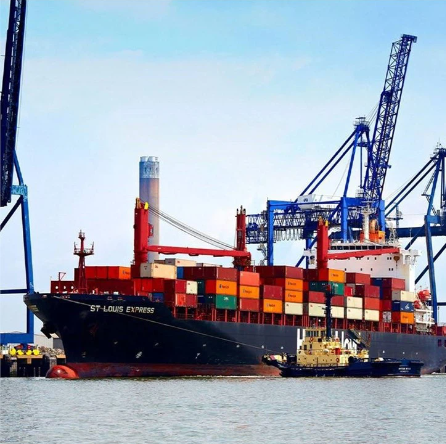

Despite these challenges, technology adoption is essential for forwarders to stay competitive. Technologies such as blockchain can improve the transparency and security of the supply chain, while artificial intelligence and machine learning can be used for demand forecasting and route optimization. International Ocean Freight Shipping Company showcases how technology is being used in the ocean freight industry.
6. Customer Service and Communication
Providing excellent customer service is crucial for LCL sea freight forwarders. Customers expect timely and accurate information about their shipments, including status updates, estimated delivery times, and any potential issues. However, maintaining effective communication with customers can be challenging, especially when dealing with multiple shippers and consignees.
Forwarders need to have a reliable communication system in place to keep customers informed at every stage of the shipping process. This includes sending regular updates via email, phone, or online portals. Any breakdown in communication can lead to customer dissatisfaction and loss of business.
In addition, forwarders need to be able to handle customer inquiries and complaints promptly and efficiently. Resolving issues such as cargo damage, delays, or customs problems requires a high level of expertise and professionalism. Clearance Dhl provides some insights into how to handle customs - related issues and communicate effectively with customers during the process.
7. Security and Risk Management
Security is a major concern in the LCL sea freight industry. With the increasing threat of terrorism, piracy, and theft, forwarders need to take measures to ensure the safety of the cargo. This includes implementing security protocols at the consolidation warehouses, during transportation, and at the ports.
Risk management is also crucial. Forwarders need to identify and assess potential risks, such as natural disasters, political instability, and changes in market conditions. They need to have contingency plans in place to mitigate these risks and ensure the continuity of their operations. For example, in case of a port strike, forwarders need to be able to find alternative routes or transportation methods to deliver the cargo on time.
Conclusion
The challenges faced by LCL sea freight forwarders are numerous and complex. From complex pricing structures and cargo consolidation issues to customs compliance, capacity management, technology adoption, customer service, and security concerns, forwarders need to be constantly vigilant and adaptable.
However, with the right strategies and a commitment to innovation, these challenges can be overcome. By investing in technology, building strong partnerships with carriers and other stakeholders, and providing excellent customer service, LCL sea freight forwarders can not only survive but thrive in the competitive global market.
If you are in the market for LCL sea freight services and are looking for a reliable partner to navigate these challenges, we are here to help. We have the expertise, experience, and resources to ensure that your shipments are handled efficiently and cost - effectively. Contact us today to discuss your specific requirements and let's start a successful partnership.
References
- Ocean Freight Industry Reports from industry associations
- Academic research on supply chain management in the shipping industry
- Interviews with industry experts and practitioners