

What are the contingency plans for air freight and sea freight in case of disruptions?
In the dynamic and often unpredictable world of international trade, disruptions to air freight and sea freight can occur due to a multitude of factors. As an experienced and dedicated air freight and sea freight service provider, we understand the importance of having well - thought - out contingency plans to ensure the seamless movement of goods for our clients. This blog will delve into the various contingencies that we have in place for both air and sea freight in case of disruptions.
Air Freight Contingency Plans
Weather - related Disruptions
Weather is one of the most common causes of air freight disruptions. Severe storms, heavy snow, fog, or hurricane - like conditions can lead to flight cancellations, redirects, and significant delays at airports. To address these issues, we have established strong partnerships with multiple airlines operating out of different airports. If a specific airport is affected by adverse weather, we can quickly reroute the cargo to an alternative airport nearby. For example, if Boston's Logan International Airport is closed due to a major snowstorm, we can arrange for the cargo to be redirected to New York's John F. Kennedy International Airport.
Additionally, we closely monitor weather forecasts on a real - time basis. Our team of logistics experts is trained to anticipate potential weather - related disruptions and take proactive measures. We may adjust the shipping schedule in advance, ensuring that the cargo is ready to be transported during a weather window with favorable conditions.
Security and Regulatory Issues
Security threats and sudden changes in regulatory requirements can also disrupt air freight operations. For instance, a terrorist threat at an airport may lead to increased security checks and lockdowns. To handle such situations, we maintain a comprehensive understanding of the security and regulatory frameworks across different countries and airports.
We establish clear communication channels with government agencies and airport authorities. In the event of a security or regulatory issue, our team can quickly obtain up - to - date information and work with the relevant parties to resolve the problem. If necessary, we can provide additional documentation or assistance to ensure that the cargo complies with the new requirements. Moreover, we have a reserve of pre - approved shipping routes and procedures that can be activated in case the original plan is disrupted by regulatory changes.
Aircraft Technical Problems
Aircraft technical problems are inevitable in the aviation industry. A mechanical failure can ground an aircraft and disrupt the cargo delivery schedule. To mitigate this risk, we collaborate with airlines that have a solid maintenance and safety record. However, in case of an unexpected technical issue, we have a contingency agreement with airlines that allows for rapid cargo transfer to another available aircraft.
Our logistics team is always on standby to coordinate the transfer process. We ensure that the cargo is safely unloaded from the malfunctioning aircraft and loaded onto the replacement flight as quickly as possible. This not only reduces the potential delay but also minimizes the risk of damage to the goods during the transfer.
Sea Freight Contingency Plans
Port Congestion
Port congestion is a recurring problem in the sea freight industry. High volumes of shipping traffic, labor strikes, or infrastructure bottlenecks can lead to long waiting times for vessels at ports. To address port congestion, we have a flexible approach to shipping routes. We continuously monitor port conditions around the world and can quickly adjust the shipping itinerary if a particular port is experiencing severe congestion.
For example, if the Port of Shanghai is congested due to a labor strike, we can choose an alternative port in the region, such as the Port of Ningbo - Zhoushan. We also have established relationships with local port authorities and terminal operators. These connections allow us to obtain priority berthing and faster cargo handling services when needed.
Natural Disasters
Natural disasters like tsunamis, earthquakes, and typhoons can cause significant damage to ports and disrupt sea freight operations. In the face of such disasters, our first step is to ensure the safety of the cargo and our personnel. We have emergency response teams that are trained to quickly assess the situation and make decisions.
If a port is damaged beyond immediate use, we will redirect the vessel to a nearby undamaged port. We also have insurance policies in place to cover potential losses caused by natural disasters. Our team will work closely with the insurance providers to ensure a smooth claims process.
Piracy and Security Risks
In some regions of the world, piracy and security risks pose a threat to sea freight. Areas such as the Gulf of Aden and the waters off the coast of Somalia have been known for pirate attacks. To protect our clients' cargo, we work with security experts and maritime security companies.
We provide vessels with security measures such as armed guards, anti - pirate equipment, and real - time intelligence on pirate activities. We also avoid high - risk areas as much as possible by adjusting the shipping routes. If a vessel encounters a security threat, our emergency response plan includes immediate communication with the relevant naval forces and security agencies to ensure the safety of the crew and the cargo.
Our Service Offerings and How Contingency Plans Fit In
As a comprehensive air freight and sea freight service provider, we offer a wide range of services, including Export Sea Freight, LCL Sea Freight, and Sea Express Logistics. Our contingency plans are an integral part of these services.
For export sea freight, our contingency measures ensure that even in the face of disruptions, the goods reach the destination on time. Whether it's port congestion or a natural disaster, our ability to reroute the cargo and manage the process effectively gives our clients peace of mind.
LCL sea freight often involves consolidating smaller shipments from multiple clients. Our contingency plans are designed to handle the unique challenges of this service. For example, if a container is delayed due to a port strike, we can quickly re - shuffle the cargo in the container to minimize the impact on all clients involved.
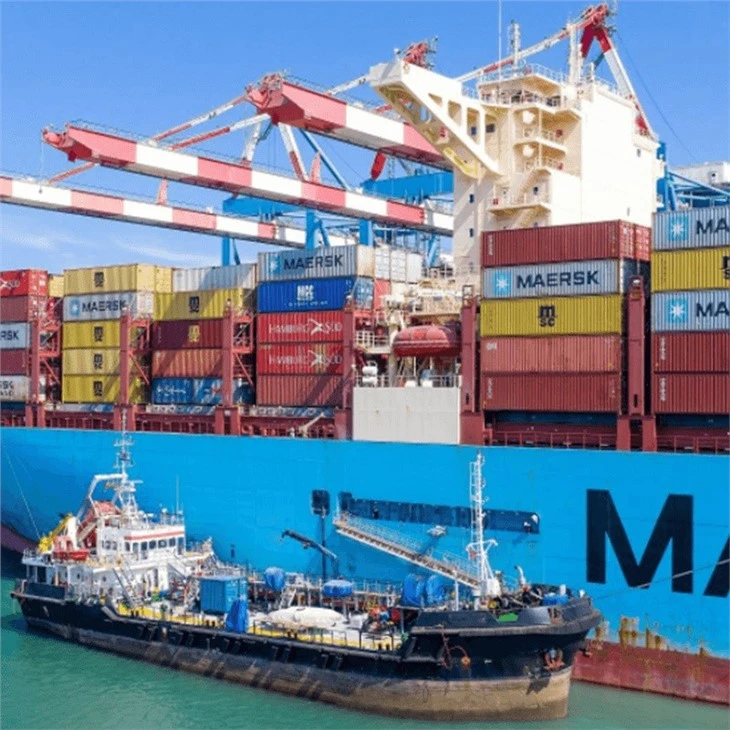

Sea express logistics is a time - sensitive service. Our contingency plans are optimized to ensure the fastest possible delivery even under difficult circumstances. By having alternative routes and backup vessels in place, we can maintain the high - speed delivery that our clients expect.
Why Choose Us and How to Connect
In today's highly competitive global trade environment, the reliability of your freight service provider can make or break your business. Our company has a proven track record of dealing with air freight and sea freight disruptions. Our experienced team, extensive network of partners, and well - implemented contingency plans ensure that your cargo is in safe hands.
We understand that every shipment is unique, with its own set of requirements and challenges. That's why we offer personalized solutions tailored to your specific needs. Whether you are a small business looking to expand your international reach or a large corporation seeking to optimize your supply chain, we have the expertise and resources to support you.
If you are interested in our air freight and sea freight services, we encourage you to reach out to us for a detailed discussion. Our team of experts is ready to answer all your questions, provide you with a customized quote, and work with you to develop a shipping plan that meets your business goals. Don't let potential disruptions in the shipping process hold you back. Contact us today and let us help you navigate the complexities of international trade with confidence.
References
- International Maritime Organization (IMO). Guidelines on Maritime Security.
- International Air Transport Association (IATA). Cargo Security Manual.
- World Meteorological Organization (WMO). Global Weather Forecast Services.