

What are the environmental impacts of ocean freight logistics?
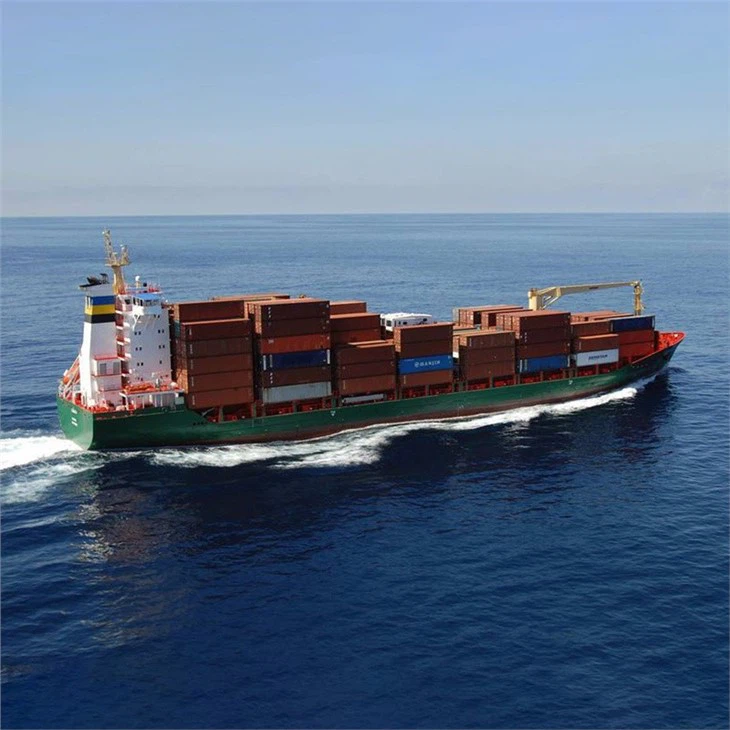
Yo, I'm in the ocean freight logistics game, and let me tell you, it's a wild ride. Ocean freight is a massive part of global trade, moving tons of goods across the seas every day. But it's not all smooth sailing when it comes to the environment. In this blog, I'm gonna break down the environmental impacts of ocean freight logistics, and I'll also share how we, as an ocean freight logistics supplier, are trying to make a difference.
Air Pollution
One of the biggest environmental concerns with ocean freight is air pollution. Ships burn heavy fuel oil, which is basically the leftovers from refining crude oil. This fuel is cheap, but it's also dirty. When ships burn heavy fuel oil, they release a whole bunch of pollutants into the air, including sulfur oxides (SOx), nitrogen oxides (NOx), and particulate matter (PM).
SOx is a major contributor to acid rain, which can damage forests, lakes, and buildings. NOx can cause smog and respiratory problems, and PM can be harmful to human health, especially for people with asthma or other respiratory conditions. According to the International Maritime Organization (IMO), the shipping industry is responsible for about 3% of global greenhouse gas emissions, and that number is expected to grow if we don't take action.
At our company, we're working to reduce our air pollution by using cleaner fuels and more efficient engines. We're also investing in technologies like exhaust gas cleaning systems, which can remove up to 99% of the sulfur from ship emissions. And we're working with our customers to encourage them to choose more sustainable shipping options, like using slower ships or consolidating their shipments.
Water Pollution
Another major environmental impact of ocean freight is water pollution. Ships can release a variety of pollutants into the water, including oil, chemicals, and sewage. Oil spills are one of the most visible and devastating forms of water pollution, and they can have long-lasting effects on marine ecosystems. Chemical spills can also be harmful to marine life, and sewage can contain pathogens that can cause human health problems.
In addition to these direct forms of water pollution, ships can also contribute to indirect water pollution by releasing ballast water. Ballast water is used to stabilize ships, and it can contain a variety of invasive species, including plants, animals, and microorganisms. These invasive species can disrupt local ecosystems and cause economic damage.
To address these issues, we're working to prevent oil spills and other forms of water pollution by following strict safety protocols and using the latest technologies. We're also working to reduce our ballast water discharge by using ballast water treatment systems, which can kill or remove invasive species from ballast water. And we're working with our customers to encourage them to choose more sustainable shipping options, like using ships that are designed to minimize their environmental impact.
Noise Pollution
Noise pollution is another environmental impact of ocean freight that is often overlooked. Ships can produce a lot of noise, especially when they're operating at high speeds or in shallow waters. This noise can disrupt marine life, including whales, dolphins, and other marine mammals. These animals rely on sound to communicate, navigate, and find food, and excessive noise can interfere with these activities.
At our company, we're working to reduce our noise pollution by using quieter engines and propellers. We're also working to avoid operating in areas where marine life is known to be sensitive to noise, and we're using the latest technologies to monitor and reduce our noise levels.
Habitat Destruction
Finally, ocean freight can also have an impact on marine habitats. Ports and other infrastructure associated with ocean freight can destroy or damage natural habitats, such as wetlands, mangroves, and coral reefs. These habitats are important for a variety of reasons, including providing habitat for marine life, protecting coastlines from erosion, and filtering pollutants from the water.
To address these issues, we're working to minimize our impact on marine habitats by choosing sites for our ports and other infrastructure that are less sensitive to environmental damage. We're also working to restore and protect damaged habitats by supporting conservation efforts and working with local communities.
Our Commitment to Sustainability
As an ocean freight logistics supplier, we're committed to reducing our environmental impact and promoting sustainability in the shipping industry. We believe that it's our responsibility to protect the environment for future generations, and we're taking a number of steps to achieve this goal.
First, we're investing in new technologies and practices that can help us reduce our emissions and improve our efficiency. This includes using cleaner fuels, more efficient engines, and exhaust gas cleaning systems. We're also working to optimize our shipping routes and schedules to reduce our fuel consumption and emissions.
Second, we're working with our customers to encourage them to choose more sustainable shipping options. This includes using slower ships, consolidating their shipments, and choosing ships that are designed to minimize their environmental impact. We're also providing our customers with information and resources on sustainable shipping practices, so they can make more informed decisions.
Third, we're supporting research and development efforts to find new and innovative ways to reduce the environmental impact of ocean freight. This includes working with universities, research institutions, and other industry partners to develop new technologies and practices that can help us achieve our sustainability goals.
Finally, we're committed to being transparent about our environmental performance and reporting our progress on a regular basis. We believe that it's important for our customers, investors, and other stakeholders to know what we're doing to reduce our environmental impact, and we're committed to being accountable for our actions.
Conclusion
Ocean freight logistics is a vital part of global trade, but it also has a significant environmental impact. From air pollution and water pollution to noise pollution and habitat destruction, the shipping industry faces a number of environmental challenges. However, at our company, we're committed to reducing our environmental impact and promoting sustainability in the shipping industry.
If you're interested in learning more about our Sea Cargo Services, Ship By Sea Freight, or Sea Freight And Logistics Solution, or if you're looking for a more sustainable shipping option for your business, please don't hesitate to contact us. We'd love to work with you to find a solution that meets your needs and helps protect the environment.

References
- International Maritime Organization (IMO). (2023). Fourth IMO Greenhouse Gas Study 2020.
- United Nations Environment Programme (UNEP). (2023). Marine Pollution: A Global Crisis.
- World Wildlife Fund (WWF). (2023). The Impact of Shipping on Marine Life.