

What are the loading and unloading operations in ocean freight logistics?
Loading and unloading operations are pivotal aspects of ocean freight logistics, serving as the bridge between land - based transportation and sea - borne shipping. As an established Ocean Freight Logistics supplier, I have witnessed firsthand the intricacies and importance of these operations in ensuring the smooth flow of goods across the globe.

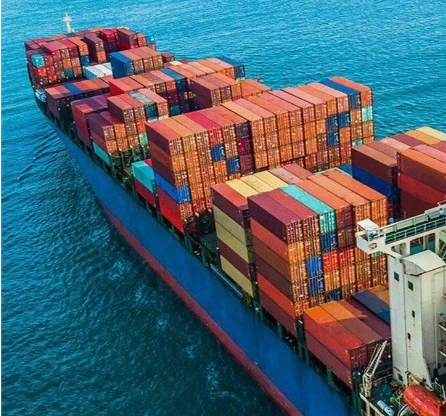
The Importance of Loading and Unloading in Ocean Freight
Loading and unloading operations are the critical touchpoints where cargo transitions between different modes of transportation. They are not merely physical processes of moving goods on and off vessels; they are also about ensuring the safety, security, and integrity of the cargo. Any mishap during these operations can lead to delays, damage to goods, and increased costs.
In ocean freight, efficient loading and unloading can significantly reduce the turnaround time of vessels. When ships can load and unload quickly, they can spend more time at sea transporting goods, which ultimately improves the overall efficiency of the supply chain. This is crucial for meeting customer demands and maintaining a competitive edge in the market.
Types of Loading and Unloading Operations
Full Container Load (FCL)
FCL is a common method in ocean freight, where a shipper books an entire container for their exclusive use. Loading a FCL container typically starts at the shipper's warehouse. The goods are carefully packed and secured inside the container to prevent movement during transit. Specialized equipment such as forklifts and pallet jacks are used to move the goods into the container. Once the container is loaded, it is sealed, and the seal number is recorded for security and tracking purposes.
At the port, the loaded container is transferred from the truck or railcar to the vessel. Cranes are used to lift the container onto the ship, where it is stowed in a pre - assigned location. Unloading a FCL container follows the reverse process. The container is lifted off the vessel using cranes and transferred to a truck or railcar for delivery to the consignee's warehouse.
Less than Container Load (LCL)
LCL is suitable for shippers who have smaller quantities of goods that do not require a full container. In LCL operations, multiple shippers' goods are consolidated into a single container at a container freight station (CFS). The goods are sorted, labeled, and packed together in a way that maximizes space utilization while ensuring easy identification and retrieval at the destination.
Loading LCL cargo involves careful planning to ensure that the goods are arranged in an organized manner. The CFS staff uses various tools such as strapping, bracing, and padding to secure the cargo. At the destination port, the container is unloaded at the CFS, and the individual shipments are separated and prepared for delivery to the respective consignees.
Bulk Cargo
Bulk cargo includes commodities such as grains, coal, and ore. Loading bulk cargo often requires specialized equipment such as conveyor belts, hoppers, and pneumatic systems. For example, when loading grains, conveyor belts are used to transfer the grains from storage silos into the ship's holds. The cargo is evenly distributed in the holds to maintain the ship's stability.
Unloading bulk cargo also involves specialized equipment. For dry bulk cargo, grabs or suction systems are used to remove the cargo from the holds and transfer it to trucks or railcars. Liquid bulk cargo, such as oil, is unloaded using pipelines and pumps.
Key Considerations in Loading and Unloading
Cargo Safety
Cargo safety is of utmost importance during loading and unloading operations. The goods must be properly packed and secured to prevent damage from vibrations, shocks, and shifting during transit. For example, fragile items may require additional padding and bracing. Hazardous materials must be handled in strict accordance with international regulations to ensure the safety of the workers, the vessel, and the environment.
Equipment and Infrastructure
The availability of appropriate equipment and infrastructure is essential for efficient loading and unloading. Ports need to have modern cranes, forklifts, and other handling equipment to handle different types of cargo. Adequate storage facilities, such as warehouses and container yards, are also necessary to store the cargo before and after loading and unloading.
Weather Conditions
Weather conditions can have a significant impact on loading and unloading operations. High winds, heavy rain, or rough seas can make it dangerous to operate cranes and other equipment. In such cases, operations may need to be suspended to ensure the safety of the workers and the integrity of the cargo. Advanced weather forecasting and contingency plans are necessary to minimize the impact of adverse weather conditions.
Challenges in Loading and Unloading Operations
Labor Shortages
The ocean freight industry is facing a shortage of skilled labor for loading and unloading operations. Skilled workers are required to operate the specialized equipment and ensure the proper handling of cargo. The aging workforce and the lack of interest among younger generations in these types of jobs pose a significant challenge to the industry.
Regulatory Compliance
Loading and unloading operations are subject to a wide range of regulations, including international maritime regulations, safety standards, and environmental requirements. Complying with these regulations can be complex and time - consuming. Failure to comply can result in fines, delays, and damage to the company's reputation.
Port Congestion
Port congestion is a common problem in many parts of the world. When ports are congested, vessels may have to wait for a long time to berth, which can delay loading and unloading operations. This can lead to increased costs for shippers and disruptions to the supply chain.
Our Role as an Ocean Freight Logistics Supplier
As an Ocean Freight Logistics supplier, we play a crucial role in managing loading and unloading operations. We work closely with our customers to understand their cargo requirements and develop customized solutions. We have a team of experienced professionals who are well - versed in the latest loading and unloading techniques and regulations.
We ensure that the cargo is properly packed and secured before it is loaded onto the vessel. Our logistics experts coordinate with the ports, carriers, and other stakeholders to ensure smooth and efficient operations. We also provide real - time tracking and monitoring services to keep our customers informed about the status of their cargo.
We offer comprehensive Ocean Freight Shipping Services that cover all aspects of loading and unloading. Whether it is FCL, LCL, or bulk cargo, we have the expertise and resources to handle it. Our Sea Freight solutions are designed to meet the diverse needs of our customers, providing cost - effective and reliable transportation options.
In addition, we are committed to maintaining high standards of safety and environmental protection. We ensure that all our loading and unloading operations comply with the relevant regulations and best practices. Our Sea Container Shipping Company services are known for their efficiency and reliability, helping our customers to streamline their supply chains.
Contact Us for Procurement and Negotiation
If you are looking for a reliable Ocean Freight Logistics supplier for your loading and unloading needs, we would be delighted to hear from you. Our team of experts is ready to discuss your requirements and provide you with a customized solution. We believe in building long - term partnerships with our customers based on trust, quality, and value. Contact us today to start the procurement and negotiation process.
References
- "Principles of Ocean Freight Logistics" by John Smith
- "Cargo Handling and Stowage in Maritime Transport" by Mary Johnson
- International Maritime Organization (IMO) regulations on cargo handling