

What are the regulations for sea freight shipping?
Hey there! As a supplier in the sea freight shipping industry, I often get asked about the regulations governing this business. It's a crucial topic because these regulations ensure that everything runs smoothly, safely, and legally. So, let's dive right into what you need to know about the regulations for sea freight shipping.
International Maritime Laws
The sea doesn't belong to any single country, so there are a bunch of international laws that set the ground rules for sea freight shipping. One of the most important ones is the International Maritime Organization (IMO) regulations. The IMO is like the global boss when it comes to maritime safety, security, and environmental protection.
Safety Regulations
Safety is always the top priority. The IMO has established rules for ship construction, equipment, and operation. For example, ships need to meet certain standards for fire safety, life - saving equipment, and navigation systems. This means that as a sea freight shipping supplier, we have to make sure that the vessels we use are properly maintained and equipped with all the necessary safety gear. If a ship fails to meet these safety standards, it might not be allowed to set sail or could face hefty fines.
Environmental Regulations
In recent years, environmental concerns have become a huge deal. The IMO has introduced regulations to reduce the environmental impact of shipping. One of the key regulations is related to sulfur emissions. Ships are now required to use low - sulfur fuels or install exhaust gas cleaning systems (scrubbers) to reduce the amount of sulfur oxide released into the atmosphere. This is a big change for the industry, but it's necessary to protect our planet.
Customs Regulations
When goods are being shipped across international borders, customs regulations come into play. Every country has its own set of rules for importing and exporting goods. As a sea freight shipping supplier, we need to work closely with customs authorities to ensure that all the necessary paperwork is in order.
Documentation
One of the most important aspects of customs regulations is documentation. We need to provide accurate and detailed information about the goods being shipped, including their value, quantity, and description. This information is used by customs officials to determine the appropriate duties and taxes. Common documents include the bill of lading, commercial invoice, and packing list. If the documentation is incorrect or incomplete, it can lead to delays at the port and additional costs for the customer.
Restricted and Prohibited Goods
Each country has a list of restricted and prohibited goods. These can include things like weapons, drugs, endangered species, and certain types of food products. As a supplier, it's our responsibility to know these lists and make sure that we don't ship any goods that are not allowed. If we do, we could face serious legal consequences, and the goods will likely be seized by customs.

Freight Classification and Tariffs
Freight classification is another important part of sea freight shipping regulations. Goods are classified based on their nature, size, weight, and value. This classification determines the freight rate that the customer will have to pay.
Freight Classes
There are different freight classes, such as general cargo, bulk cargo, and hazardous materials. Each class has its own set of rules and requirements. For example, hazardous materials need to be handled and shipped with extra care. They have to be properly labeled, packaged, and transported in accordance with strict safety regulations.
Tariffs
Tariffs are taxes that are imposed on imported goods. The amount of the tariff depends on the type of goods, their value, and the country of origin. As a sea freight shipping supplier, we need to be aware of the tariff rates in different countries so that we can provide accurate cost estimates to our customers. You can find more information about different types of sea freight services on our Sea Cargo Transport page.
Container Regulations
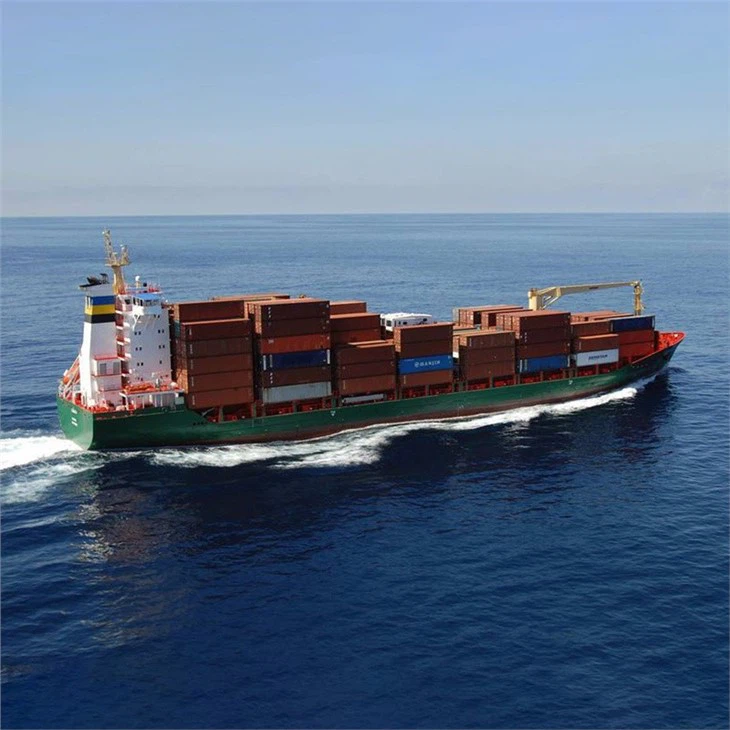
Most sea freight is transported in containers. There are regulations governing the use, handling, and inspection of containers.
Container Standards
Containers need to meet certain international standards, such as those set by the International Organization for Standardization (ISO). These standards ensure that containers are of a consistent size, strength, and quality. This is important because it allows for easy handling and stacking of containers on ships, trucks, and trains.
Container Inspection
Containers are regularly inspected to ensure that they are safe and in good condition. Inspections can be carried out by shipping lines, terminal operators, or customs authorities. If a container is found to be damaged or not meeting the standards, it might need to be repaired or replaced before it can be used for shipping.
Insurance Regulations
Insurance is an important part of sea freight shipping. There are regulations that govern the types of insurance that are required and the terms and conditions of insurance policies.
Marine Insurance
Marine insurance is designed to protect the cargo and the ship against various risks, such as damage, loss, and piracy. As a sea freight shipping supplier, we often recommend that our customers purchase marine insurance to safeguard their goods during transit. The regulations for marine insurance ensure that the policies are fair and provide adequate coverage.
Labor Regulations
The shipping industry also has to comply with labor regulations. These regulations protect the rights and safety of the crew members on board the ships.
Working Conditions
There are rules regarding the working hours, rest periods, and living conditions of the crew. For example, crew members are entitled to a certain number of hours of rest per day to prevent fatigue and ensure safety. The ships also need to provide proper accommodation, food, and medical facilities for the crew.
FOB and Other Shipping Terms
When it comes to sea freight shipping, there are different shipping terms that define the responsibilities of the buyer and the seller. One of the most common terms is FOB (Free on Board).
FOB Sea Freight
FOB sea freight means that the seller is responsible for delivering the goods to the port of departure and loading them onto the ship. Once the goods are on board, the risk and responsibility transfer to the buyer. You can learn more about Fob Sea Freight on our website.
Multimodal Transport Regulations
Many sea freight shipments involve multimodal transport, which means using more than one mode of transportation, such as ships, trucks, and trains. There are regulations that govern the coordination and safety of multimodal transport.
Coordination
The different modes of transportation need to work together smoothly. This requires proper planning, communication, and documentation. As a sea freight shipping supplier, we often have to coordinate with other transport providers to ensure that the goods are transferred safely and efficiently between different modes of transport. You can also explore our Ocean And Air Cargo Service which combines the advantages of both ocean and air transport.
Conclusion
As you can see, there are a lot of regulations that govern sea freight shipping. These regulations are in place to ensure the safety, security, and efficiency of the industry. As a sea freight shipping supplier, we have to stay up - to - date with all these regulations to provide the best service to our customers.
If you're in the market for sea freight shipping services, I'd love to talk to you. Whether you're a small business looking to ship a few containers or a large corporation with complex shipping needs, we can help. Don't hesitate to reach out and start a conversation about your shipping requirements. Let's work together to get your goods to their destination safely and on time.
References
- International Maritime Organization (IMO) official publications
- Customs regulations of various countries
- International Organization for Standardization (ISO) standards for containers
- Marine insurance industry guidelines