

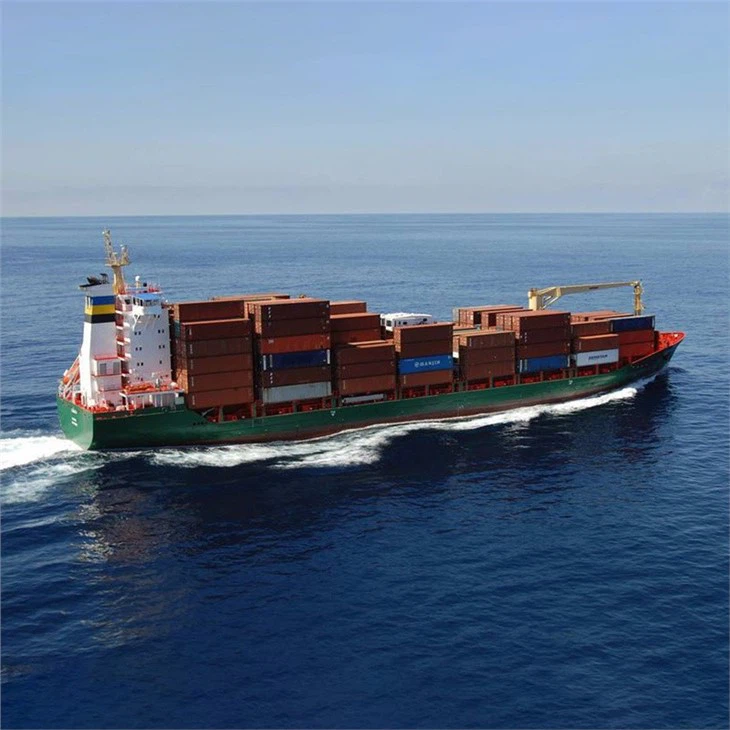
Fob Sea Freight
FOB sea freight refers to a shipping arrangement where the seller is responsible for goods until they're loaded onto the vessel at the port of origin. This includes packaging, documentation, and inland transportation to the port. Once loaded, ownership and risk transfer to the buyer. FOB terms are common in international trade, facilitating clear responsibilities and cost allocations between parties.
Product Introduction
Products Description
FOB (Free on Board) sea freight is an incoterm used in international trade to define the responsibility for the transportation of goods between the seller and the buyer. In FOB terms, the seller bears the responsibility and costs for delivering the goods to the port of origin, including packaging, loading onto the vessel, and export customs clearance. Once the goods are loaded onto the vessel and the ship sails, ownership and risk transfer to the buyer.
The buyer is responsible for all costs and risks associated with the onward transportation, insurance, import customs clearance, and delivery from the port of destination. FOB terms are commonly used when the buyer has more control over the transportation and wants to arrange their preferred shipping method and carrier. It provides clarity on the responsibilities and costs for both parties, making it a widely accepted and utilized term in international trade contracts.
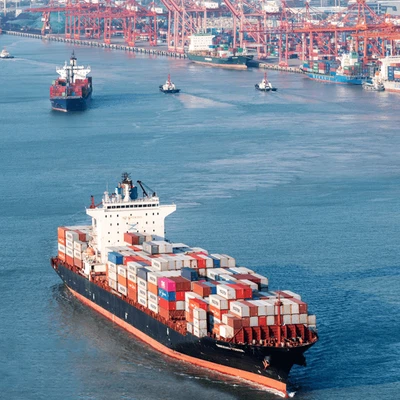
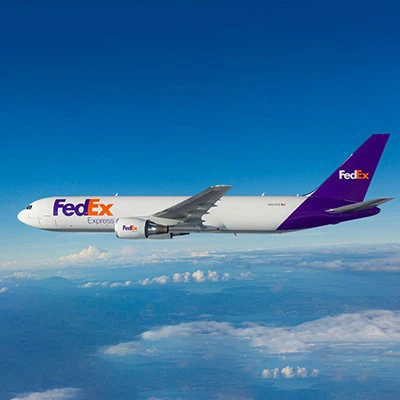
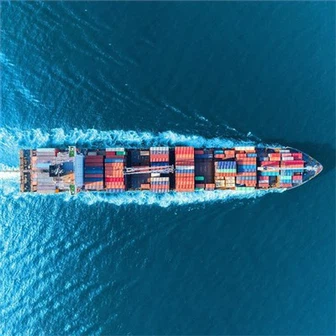
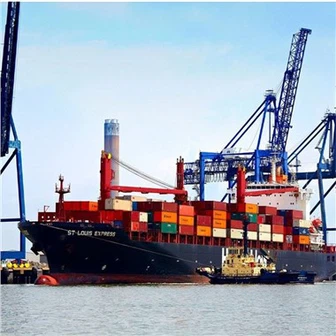
Freight display map

FAQ
Q1: What does FOB sea freight stand for in international trade?
A1: FOB (Free on Board) sea freight is an incoterm used in international trade to determine the point at which ownership and risk of goods transfer from the seller to the buyer. Under FOB terms, the seller is responsible for delivering the goods to the port of origin and loading them onto the vessel, after which the buyer assumes responsibility.
Q2: What are the responsibilities of the seller in sea freight terms?
A2: In sea freight terms, the seller is responsible for preparing and packaging the goods for export, arranging inland transportation to the port of shipment, and covering costs up to the point of loading onto the vessel. Additionally, the seller must handle export customs clearance procedures.
Q3: What are the advantages of using sea freight terms for international shipments?
A3:Sea freight terms offer clarity and simplicity in international trade transactions. They define the responsibilities and costs of both the seller and the buyer clearly, facilitating smoother logistics operations. FOB terms also provide flexibility for the buyer to choose their preferred shipping method and carrier, as well as control over the transportation process from the port of origin.
Hot Tags: fob sea freight, China fob sea freight, ocean forwarding, air freight, Air And Sea Freight Service, ocean freight international, air freight sea freight, Ocean Freight Logistics
You Might Also Like


Send Inquiry
