

What are the security clearances needed for air freight and sea freight personnel?
Hey there! I'm part of an air freight and sea freight supplier, and I've seen firsthand how important security clearances are in our industry. In this blog, I'll break down what security clearances are needed for air freight and sea freight personnel, and why they matter so much.
Let's start with air freight. When it comes to moving goods by air, security is super tight. The safety of passengers, crew, and the general public is at stake, so the requirements for air freight personnel are pretty strict.
First off, air freight handlers usually need to go through a background check. This includes looking into their criminal history, credit history, and employment record. Airlines and airport authorities want to make sure that the people handling the cargo are trustworthy and don't pose a security risk. For example, if someone has a history of theft or fraud, they're probably not going to be allowed to handle valuable air freight.
Another key clearance is the Transportation Worker Identification Credential (TWIC). This is a card that's issued by the Transportation Security Administration (TSA) in the United States. It's required for anyone who needs unescorted access to secure areas of airports and seaports. To get a TWIC, you have to pass a security threat assessment, which involves a background check and fingerprinting. It's like a key that gives you access to the areas where the air freight is loaded and unloaded.
For those involved in air cargo screening, there are additional clearances. They need to be trained and certified by the TSA. This training covers things like how to use X - ray machines to detect prohibited items in the cargo. It's not just about knowing how to operate the equipment; it's also about being able to recognize potential threats, such as weapons or explosives.
Now, let's move on to sea freight. The security requirements for sea freight personnel are also rigorous, but they have some differences compared to air freight.
One of the main clearances for sea freight workers is the International Ship and Port Facility Security (ISPS) Code compliance. This international standard was developed to enhance the security of ships and port facilities. Personnel working in ports and on ships need to be aware of the ISPS requirements and follow the security procedures. For example, they need to be trained on how to identify and report suspicious activities, such as unauthorized access to the ship or strange packages.
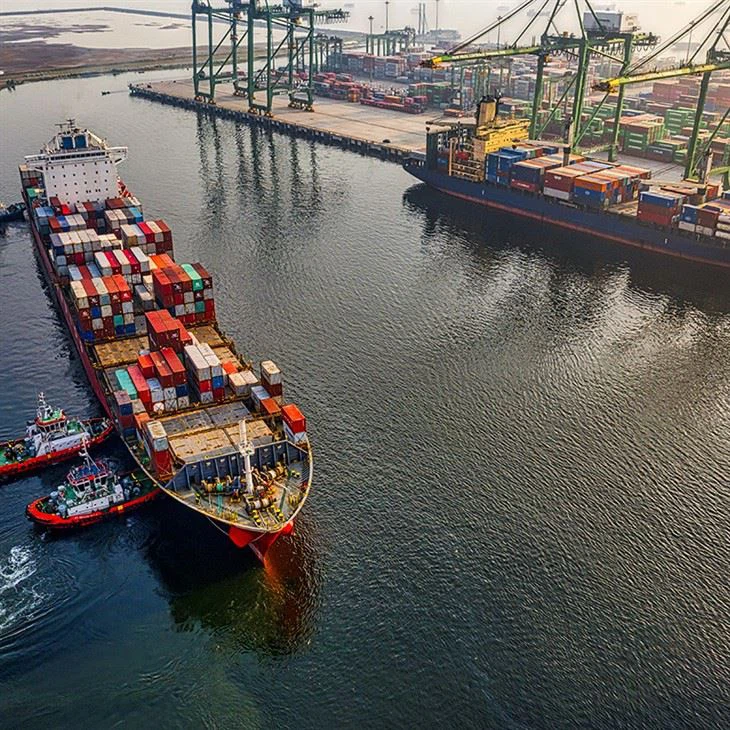

Similar to air freight, sea freight workers may also need a TWIC if they work in US ports. It gives them access to secure areas of the port, where the cargo is stored and loaded onto ships.
For those involved in customs clearance in sea freight, they need to have a good understanding of the regulations. They have to ensure that all the goods being imported or exported comply with the customs laws of the countries involved. This includes providing accurate documentation, such as bills of lading and customs declarations. If you're interested in learning more about customs clearance for sea freight, you can check out Dap Customs Clearance.
In addition, sea freight forwarders play a crucial role in the process. They are responsible for arranging the transportation of goods from the shipper to the consignee. To do this job effectively, they need to have a good understanding of the shipping routes, carrier schedules, and any restrictions or requirements along the way. You can find more information about the Ocean Freight Forwarding Service.
The transportation of goods by sea also involves a lot of coordination. Workers need to be able to communicate effectively with different parties, such as ship crews, port authorities, and customs officials. And of course, they need to have the necessary clearances to ensure that the whole process runs smoothly. If you want to know more about the ins and outs of Transportation Of Goods By Sea, click on the link.
So, why are these security clearances so important? Well, for starters, they help prevent terrorism and other criminal activities. By ensuring that only trustworthy people have access to the cargo, we can reduce the risk of dangerous items being smuggled onto planes or ships.
They also protect the integrity of the supply chain. In today's global economy, goods are moving all over the world. If there are security breaches in the air or sea freight systems, it can disrupt the flow of goods, cause delays, and cost businesses a lot of money.
Moreover, having proper security clearances is a legal requirement. Airlines, shipping companies, and port authorities can face hefty fines if they don't comply with the security regulations. It's not just about doing the right thing; it's also about avoiding legal trouble.
As an air freight and sea freight supplier, we take security very seriously. We make sure that all our personnel have the necessary clearances and are well - trained. This way, we can provide our customers with a reliable and secure service.
If you're in the market for air or sea freight services, we'd love to have a chat with you. Whether you're a small business looking to ship a few pallets or a large corporation with complex shipping needs, we have the expertise and the resources to help you. Contact us to start the procurement negotiation process and let's work together to get your goods where they need to go safely and efficiently.
References
- Transportation Security Administration (TSA) official documents
- International Maritime Organization (IMO) publications on ISPS Code
- Industry reports on air and sea freight security