

What are the storage options for cargo in ocean freight service?
When it comes to ocean freight service, one of the most crucial aspects shippers need to consider is cargo storage. As a supplier of Ocean Freight Service, I've seen firsthand how different storage options can impact the shipping process. In this blog, I'll break down the various storage options available for cargo in ocean freight service, helping you make an informed decision for your shipping needs.
Full Container Load (FCL)
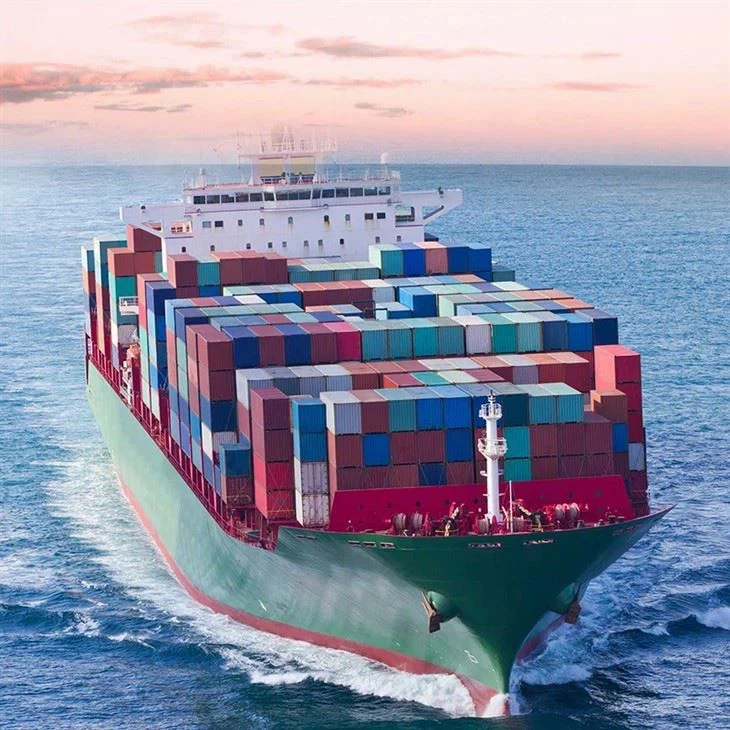
FCL is a popular choice for shippers with a large volume of goods. With FCL, you rent an entire shipping container for your exclusive use. This means your cargo won't be mixed with other shippers' goods, providing better security and less handling. It's like having your own private storage unit on the high seas.
One of the main advantages of FCL is that it's ideal for high - value or sensitive cargo. Since the container is dedicated to your goods, there's less risk of damage or theft. Also, you have more control over the packing and loading process, ensuring that your cargo is stored in the best possible way.
However, FCL can be more expensive, especially if you don't have enough cargo to fill the container. You'll be paying for the entire container's space, even if it's not fully utilized. But if you have a large quantity of goods, the cost per unit can be quite reasonable. For more details on FCL shipping, you can check out By Sea Cargo.
Less than Container Load (LCL)
LCL is a great option for shippers with smaller volumes of cargo. Instead of renting an entire container, your goods are combined with other shippers' cargo in a shared container. It's like carpooling, but for your goods.
The biggest advantage of LCL is cost - efficiency. You only pay for the space your cargo actually occupies in the container, which can save you a significant amount of money. It's also a flexible option, as you can ship smaller quantities more frequently.
But there are some drawbacks. Since your cargo is mixed with others, there's a higher risk of damage or loss. The handling process is also more complex, as the container needs to be sorted at the origin and destination ports. To learn more about LCL and how it can work for you, visit Seafreight Agencies.
Break Bulk
Break bulk shipping is used for large, heavy, or oddly - shaped cargo that can't be easily containerized. This includes items like machinery, vehicles, and construction materials. Instead of being packed into containers, the cargo is loaded and unloaded piece by piece.
Break bulk shipping offers flexibility in terms of cargo size and shape. You don't have to worry about fitting your cargo into a standard container. It's also suitable for project - based shipments, where you need to transport a variety of large items.
However, break bulk shipping can be time - consuming and labor - intensive. The loading and unloading process requires specialized equipment and skilled labor, which can increase the overall cost. If you're dealing with break bulk cargo, you can find more information at By Sea Freight.

Roll - on/Roll - off (Ro - Ro)
Ro - Ro shipping is mainly used for vehicles and wheeled equipment. The cargo is driven or rolled onto the ship, eliminating the need for cranes or other lifting equipment. It's a fast and efficient way to transport vehicles, especially in large quantities.
The advantage of Ro - Ro shipping is speed. The loading and unloading process is quick, which can reduce the overall shipping time. It's also a relatively safe option for vehicles, as they are less likely to be damaged during the loading and unloading process.
But Ro - Ro shipping has its limitations. It's mainly suitable for wheeled cargo, and there may be restrictions on the size and weight of the vehicles. If you're shipping vehicles, this could be a great option to explore further.
Tanker Shipping
Tanker shipping is used for transporting liquids and gases, such as oil, chemicals, and liquefied natural gas (LNG). Specialized tanker ships are designed to carry these types of cargo safely.
Tanker shipping offers a high - level of safety and security for liquid and gas cargo. The ships are equipped with advanced safety features to prevent leaks and spills. It's also a cost - effective way to transport large volumes of liquids over long distances.
However, tanker shipping requires strict regulatory compliance due to the nature of the cargo. There are also specific handling and storage requirements to ensure the integrity of the cargo.
Considerations When Choosing a Storage Option
When deciding on the best storage option for your cargo, there are several factors to consider. First, the nature of your cargo is crucial. If you're shipping fragile or high - value items, you may want to choose a more secure option like FCL. For large, heavy, or oddly - shaped cargo, break bulk or Ro - Ro may be more suitable.
The volume of your cargo also plays a significant role. If you have a large quantity of goods, FCL may be the most cost - effective option. But if you have a smaller volume, LCL could save you money.
Shipping time is another important factor. Some options, like Ro - Ro, are faster than others. If you're on a tight schedule, you'll want to choose a storage option that can meet your time requirements.
Cost is always a consideration. You need to balance the cost of the storage option with the value and volume of your cargo. Sometimes, paying a little more for a more secure or faster option can be worth it in the long run.
Making the Right Choice
As a supplier of Ocean Freight Service, I understand that choosing the right storage option can be a challenging decision. That's why I'm here to help. Whether you're a small business shipping a few pallets or a large corporation transporting heavy machinery, I can provide you with the expertise and guidance you need.
If you're still unsure which storage option is best for your cargo, don't hesitate to reach out. I can assess your specific needs and recommend the most suitable solution. Contact me today to start discussing your shipping requirements and find the perfect storage option for your cargo. Let's work together to ensure your goods are shipped safely, efficiently, and cost - effectively.
References
- Ocean Shipping Guidebooks
- Industry Reports on Ocean Freight Services
- Expert Interviews in the Ocean Freight Industry