

What is the capacity of an average air freight service?
What is the capacity of an average air freight service? That's a question I get asked a lot as a provider of Air And Sea Freight Service. In this blog, I'll break down the ins and outs of air freight capacity, share some real - world insights, and how it all ties into our overall freight services.
First off, let's understand what we mean by "capacity" in the context of air freight. Air freight capacity can be measured in a few different ways. One of the most common is the weight capacity. Most commercial cargo planes have a maximum payload they can carry. For example, a medium - sized cargo aircraft like the Boeing 737 - 800BCF (Boeing Converted Freighter) can carry around 23 tons of cargo. Larger planes, such as the Boeing 747 - 8F, have an astonishing maximum payload capacity of up to 134 tons.
But it's not just about weight. Volume also plays a huge role. Cargo holds on planes have a limited amount of space. Airlines have to balance the weight and volume of the cargo they load. Sometimes, even if there's still weight capacity left, the cargo hold can get filled up in terms of volume. This is especially important when shipping lightweight but bulky items like foam products or large - sized machinery parts that are not very heavy but take up a lot of space.
Now, you might be wondering how these capacities translate into real - world shipping scenarios. Well, as an air freight service provider, we deal with all sorts of customers with different shipping needs. Some customers are shipping high - value, lightweight items like electronics. For them, weight capacity might not be a big issue, but they still need to make sure their products fit into the available volume space in the cargo hold.
On the other hand, customers shipping heavy items like industrial equipment need to pay close attention to the weight limits. We often have to work with them to optimize their shipments. This could mean splitting large shipments into multiple smaller ones or finding the right aircraft that can handle the weight.
Another factor that affects air freight capacity is the route. Some routes are more popular than others, and airlines may allocate more capacity to these high - demand routes. For instance, routes between major business hubs like New York and London or Hong Kong and Singapore usually have more flights and thus more available capacity. However, less - traveled routes might have limited capacity, which can lead to longer wait times and potentially higher costs.
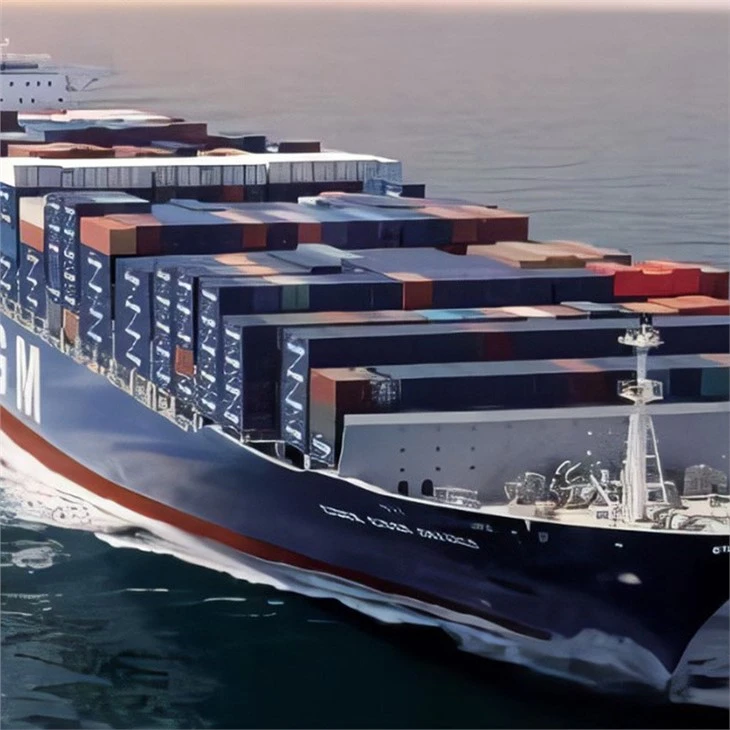
Let's talk about how air freight capacity fits into our overall Air And Sea Freight Service. We understand that different customers have different requirements, and sometimes, air freight might not be the only option. That's where our sea freight services come in. Sea freight is great for shipping large volumes of goods, especially when time is not of the essence. For example, if you're shipping a large quantity of furniture from China to the United States, sea freight might be a more cost - effective option. You can check out our [Sea Container Shipping Company](ocean - freight - service/sea - container - shipping - company - 1.html) page to learn more about our sea container shipping solutions.
But if you need your goods to reach their destination quickly, air freight is the way to go. And as an air and sea freight service provider, we can offer you the best of both worlds. We can help you decide whether air or sea freight is the right choice for your shipment based on factors like the size, weight, value, and urgency of your goods.
We also offer [International Shipping Through Sea](ocean - freight - service/international - shipping - through - sea - 1.html) for those who want to expand their business globally. Our team has extensive experience in handling international shipments, ensuring that your goods are transported safely and efficiently across the seas.
Moreover, our [Air and Ocean Freight Forwarding](ocean - freight - service/air - and - ocean - freight - forwarding.html) service is designed to provide a seamless shipping experience. We take care of all the logistics, from packing and documentation to customs clearance and final delivery. Whether it's air or sea freight, we've got you covered.
Now, let's get back to air freight capacity. Airlines also have to deal with seasonal variations in capacity. During peak seasons, like the holiday shopping season, there's a surge in demand for air freight as retailers need to restock their shelves quickly. This can lead to a shortage of available capacity, and prices may go up. As a freight service provider, we keep a close eye on these trends and work with our airline partners to secure the best possible capacity for our customers.
In addition to the physical capacity of the planes, there are also regulatory and operational factors that can affect air freight capacity. For example, new safety regulations might require airlines to make changes to their cargo loading procedures, which could potentially reduce the available capacity. Also, airport congestion can lead to delays and disruptions in air freight operations, affecting the overall capacity.

So, what does all this mean for you as a customer? It means that when you're planning your shipments, you need to consider all these factors. You can't just assume that there will always be enough capacity available at the price you want. That's where our expertise comes in. We can help you plan your shipments in advance, taking into account factors like capacity, cost, and delivery time.
If you're interested in learning more about our air and sea freight services or have specific shipping needs, don't hesitate to reach out to us. We're here to help you find the best shipping solutions for your business. Whether it's a small package or a large - scale shipment, we've got the knowledge and experience to make sure your goods reach their destination safely and on time.
In conclusion, the capacity of an average air freight service is a complex topic that involves multiple factors like weight, volume, route, season, and regulatory requirements. As an Air And Sea Freight Service provider, we're constantly working to optimize our services to meet the changing needs of our customers. We hope this blog has given you a better understanding of air freight capacity and how it fits into our overall freight services. So, if you're ready to start shipping, get in touch with us and let's start planning your next shipment together.
References
- Air Cargo World Magazine
- Boeing Commercial Airplanes Publications
- Industry reports on global air and sea freight trends