

What is the impact of fuel prices on air freight forwarding costs?
Yo, I'm an air freight forwarder, and let me tell you, fuel prices are like the wild card in the deck when it comes to air freight forwarding costs. It's a topic that affects our bottom line big time, and I'm here to break it down for you.
First off, let's talk about how fuel prices directly impact air freight forwarding. Jet fuel is one of the biggest expenses for airlines. When fuel prices go up, airlines have to shell out more money to keep their planes flying. And guess what? They don't just eat that cost. They pass it on to us, the air freight forwarders, and we, in turn, have to pass at least some of it on to our customers.
Think about it this way. Airlines need to cover their operational costs, and fuel is a major part of that. If the price of fuel spikes, they're going to increase their rates for carrying cargo. As an air freight forwarder, I have to deal with these rate hikes. It's not like I can just absorb the extra cost and keep my prices the same. I've got my own business to run, and I need to make a profit too.

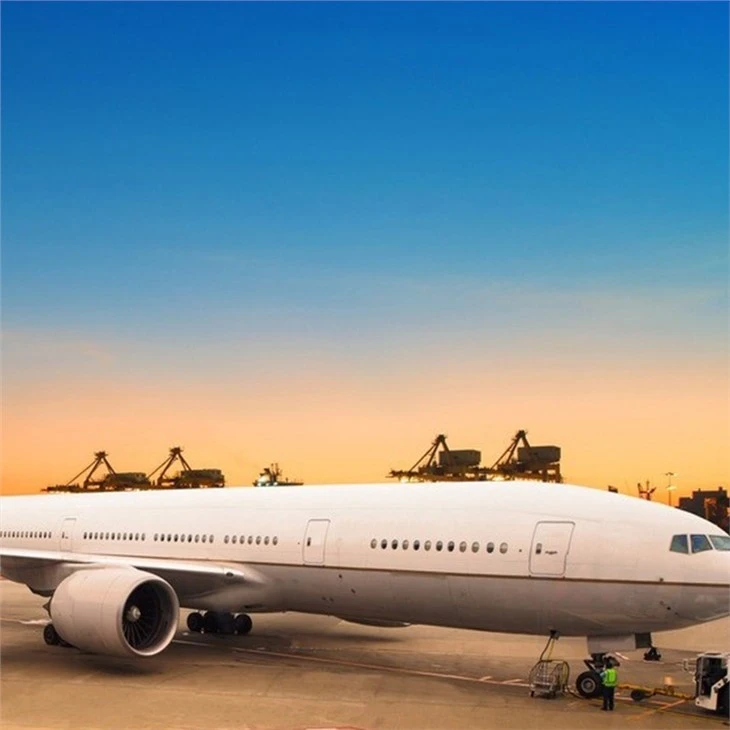
Let's say the price of jet fuel goes up by 20%. Airlines are going to increase their fuel surcharges. These surcharges are added on top of the base freight rate. So, if I was previously paying a certain amount to ship a container of goods, now I'm paying significantly more. And when I quote prices to my customers, I have to factor in these higher costs. This means that the overall air freight forwarding cost for my customers goes up as well.
Another way fuel prices impact air freight forwarding is through capacity. When fuel prices are high, airlines might cut back on the number of flights they operate. They want to save on fuel costs, so they'll reduce the frequency of some routes or even cancel certain flights altogether. This reduction in capacity can lead to a shortage of available space for air freight.
As an air freight forwarder, this is a headache for me. I've got customers who need their goods shipped, but there aren't enough flights to accommodate all the cargo. This scarcity of space means that airlines can charge higher prices for the available slots. It's basic supply and demand. With less supply (fewer flights and less space) and the same or even increasing demand (customers still need to ship their goods), the prices go up.
I remember a time when fuel prices skyrocketed. Airlines started reducing their flight schedules on some of the popular routes. I had several customers who needed to ship urgent goods, but there were very few available flights. I had to scramble to find alternative solutions, like trying to book space on different airlines or even considering other modes of transportation. And of course, all these alternative options came at a higher cost.
Now, let's talk about how this impacts different types of customers. For businesses that rely on air freight for their supply chain, higher air freight forwarding costs can be a real challenge. Small and medium - sized enterprises (SMEs) are particularly vulnerable. They often have tight budgets and can't afford large price increases.
For example, a small clothing brand that imports its fabrics from overseas might find that the increased air freight costs eat into their profit margins. They might have to either increase the prices of their products, which could make them less competitive in the market, or look for other ways to cut costs, like reducing the quality of the fabrics or the quantity they order.
On the other hand, large corporations might be able to absorb the higher costs better. They have more resources and can negotiate better deals with airlines. But even they don't like paying more for air freight. They might start looking for ways to optimize their supply chain, like consolidating shipments or using slower but cheaper modes of transportation for non - urgent goods.
As an air freight forwarder, I try to help my customers navigate these challenges. I keep a close eye on fuel price trends and work with airlines to get the best possible rates. I also offer advice on how to optimize their shipments to reduce costs. For example, I might suggest consolidating smaller shipments into one larger one to take advantage of volume discounts.
In addition to the direct impact on costs and capacity, fuel prices also have an indirect impact on the air freight industry. When fuel prices are high, it can slow down economic growth. Higher air freight costs mean that the prices of imported and exported goods go up. This can lead to inflation, which affects consumers and businesses alike.
Consumers might cut back on their spending if the prices of goods are too high. This, in turn, can lead to lower demand for products, which means that businesses might reduce their production and their need for air freight services. It's a vicious cycle that can have a significant impact on the overall health of the air freight industry.
Now, let's take a look at some of the services we offer at my air freight forwarding business. We provide Global Air Transport, which allows us to ship goods all over the world. Whether it's a small package or a large container, we've got the connections and the expertise to get it to its destination.
We also specialize in Global International Cargo. This service is designed for businesses that need to move large volumes of goods across international borders. We handle all the paperwork, customs clearance, and logistics to ensure a smooth and hassle - free shipping process.
And if you're looking to ship goods to or from India, we offer Air India Transport. We have in - depth knowledge of the Indian market and can provide customized solutions to meet your specific needs.
Despite the challenges posed by fluctuating fuel prices, we're committed to providing our customers with the best possible service at the most competitive prices. We understand that every business is different, and we work closely with our customers to find the most cost - effective shipping solutions.
If you're in the market for air freight forwarding services, I encourage you to get in touch with us. We'd be happy to have a chat with you about your shipping needs, answer any questions you might have, and provide you with a personalized quote. Don't let high fuel prices stop you from getting your goods where they need to go. We're here to help you navigate the complex world of air freight and find the best solutions for your business.
References
- Airline Industry Reports: Various reports on airline operations and cost structures.
- Economic Research Papers: Studies on the relationship between fuel prices, inflation, and economic growth.
- Industry News Articles: Recent news on the air freight industry and the impact of fuel prices.