

What is the intermodal transportation in sea freight shipping?
Intermodal transportation in sea freight shipping is like a well - choreographed dance that combines different modes of transport to move goods from one place to another efficiently. As a sea freight shipping supplier, I've seen firsthand how this approach has revolutionized the industry.
Let's start by breaking down what intermodal transportation actually is. At its core, it's the use of two or more modes of transportation, such as ships, trucks, trains, and even airplanes, to transport cargo. In sea freight, it typically involves shipping goods by sea and then transferring them to another mode of transport for the final leg of the journey.
One of the main advantages of intermodal transportation in sea freight is its flexibility. For instance, if you're shipping goods from Asia to Europe, you might start with a large container ship that can carry thousands of containers across the ocean. Once the ship reaches a port in Europe, the containers can be transferred to a train or a truck for distribution to their final destinations. This flexibility allows shippers to choose the most cost - effective and efficient route for their goods, depending on factors like distance, time constraints, and the nature of the cargo.
Another benefit is cost - efficiency. By using different modes of transport, shippers can take advantage of the strengths of each. Ships are great for long - distance transportation because they can carry a large volume of goods at a relatively low cost per unit. Trucks, on the other hand, are more suitable for short - distance delivery and can provide door - to - door service. Trains are efficient for moving large amounts of cargo over land. By combining these modes, shippers can optimize their transportation costs.
Intermodal transportation also offers environmental benefits. Compared to using a single mode of transport for the entire journey, intermodal transport can reduce carbon emissions. For example, ships are more fuel - efficient than trucks for long - distance hauls. By using ships for the ocean crossing and then switching to trains or trucks for the last - mile delivery, the overall carbon footprint of the shipment can be significantly reduced.
Now, let's talk about the challenges. One of the biggest challenges in intermodal transportation is the coordination between different carriers and modes of transport. Each mode has its own set of rules, regulations, and operating procedures. For example, shipping containers need to be properly secured and transferred between ships, trains, and trucks. There also needs to be seamless communication between the different parties involved, including shipping lines, trucking companies, and railway operators.
Another challenge is the potential for delays. Delays can occur at any stage of the intermodal journey, such as port congestion, mechanical problems with trucks or trains, or customs clearance issues. These delays can have a significant impact on the delivery time of the goods and can sometimes result in additional costs for the shipper.
As a sea freight shipping supplier, we play a crucial role in facilitating intermodal transportation. We work closely with our partners in the industry, including shipping lines, trucking companies, and railway operators, to ensure smooth coordination. We also have a team of experts who can handle all the paperwork, customs clearance, and logistics arrangements.
When it comes to choosing the right intermodal solution for your sea freight needs, there are several factors to consider. First, you need to think about the nature of your cargo. Some goods, like perishable items or high - value products, may require more specialized handling and faster delivery times. Others, like bulk commodities, may be more flexible in terms of transportation options.
You also need to consider the origin and destination of your shipment. If your goods are being shipped to a remote area, you may need to choose a transportation mode that can reach that location. Additionally, you should look at the transit time and cost. Sometimes, a slightly more expensive option may be worth it if it can guarantee faster delivery and fewer delays.
We offer a range of International Sea Freight services that incorporate intermodal transportation. Our team has extensive experience in handling all types of cargo, from small parcels to large containers. We can help you choose the most suitable intermodal route and carrier for your needs.
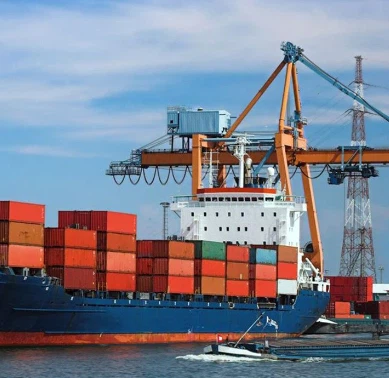

If you're looking for an Ocean Freight Logistics Company that can provide comprehensive intermodal solutions, we're here to assist. We understand the complexities of sea freight shipping and are committed to providing high - quality service.
We also offer Freight Air And Sea Transport options for customers who need a combination of speed and cost - efficiency. By integrating air and sea transport, we can offer a customized solution that meets your specific requirements.
In conclusion, intermodal transportation in sea freight shipping is a powerful tool that offers many benefits, including flexibility, cost - efficiency, and environmental sustainability. However, it also comes with its challenges. As a sea freight shipping supplier, we're dedicated to helping our customers navigate these challenges and find the best intermodal solutions for their needs.
If you're interested in learning more about our intermodal transportation services or have any questions about your sea freight shipping needs, don't hesitate to reach out. We're here to have a chat, answer your queries, and start a discussion about how we can work together to get your goods delivered safely and efficiently. Let's have a conversation and see how we can make your shipping process a breeze.
References
- "The Handbook of Maritime Economics and Business" by Martin Stopford
- "Transportation Logistics" by John J. Coyle, Edward J. Bardi, and C. John Langley Jr.