Air Freight from China to Mozambique
In the context of global economic integration, logistics and transportation, as a link connecting economic exchanges among countries, have become increasingly important. Mozambique, a country located in southeastern Africa, has gradually risen in international trade with its unique geographical location and rich natural resources. Air transport, as an efficient and fast mode of transportation, plays a key role in Mozambique's logistics system. Its development not only affects the country's economy, but is also closely linked to the global supply chain. Recently, the dynamics of Mozambique's air transport have attracted widespread attention from both inside and outside the industry.
Table of contents
1. Overview of the current situation of air transport in Mozambique
2. Challenges facing air transport in Mozambique
3. Development opportunities of air transport in Mozambique
4. Response strategies and future prospects
1. Overview of the current situation of air transport in Mozambique

1. Airport infrastructure construction
Mozambique has several important airports, among which Maputo International Airport is the country's largest and busiest aviation hub, undertaking a large number of passenger and cargo tasks. In recent years, the Mozambican government has increased its investment in airport infrastructure. For example, Maputo International Airport has been upgraded and renovated, the terminal building has been expanded, the number of parking spaces has been increased, and the cargo handling capacity has been improved. At the same time, a series of facility optimizations have been carried out at airports in cities such as Beira and Nampula, including the repair of runways and the updating of navigation equipment, providing a more solid hardware foundation for air transportation.
2. Route network expansion
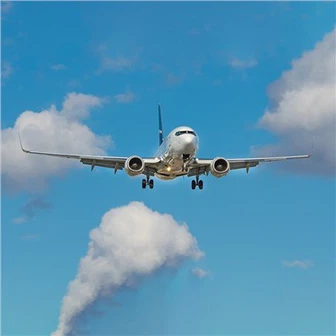
At present, Mozambique's airlines have established cooperative relations with many international airlines, and the route network is constantly expanding. Domestically, a relatively dense route connection has been formed between major cities, facilitating personnel exchanges and material allocation. Internationally, Mozambique's flights can directly reach many important cities in Africa, Europe and Asia. For example, regular flights to cities such as Johannesburg, South Africa, Dubai, UAE, and Lisbon, Portugal have been opened. These routes not only promote tourism and business travel, but also provide convenience for import and export cargo transportation. Through these routes, Mozambique's agricultural products, mineral products, etc. can be quickly transported to the international market, and industrial products, machinery and equipment and other materials needed domestically can also be imported in a timely manner.
3. Development of freight business
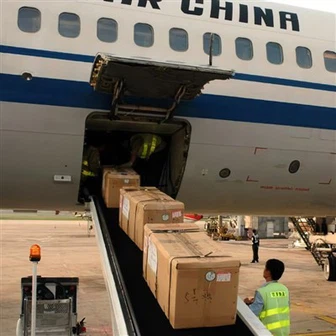
Freight business plays a crucial role in Mozambique's air transportation. As the country's economy develops, particularly with the burgeoning of industries like mining and agriculture, the demand for air freight has been steadily increasing. Mozambique is endowed with abundant mineral resources, including coal and titanium ore. Meanwhile, its specialty agricultural products, such as cashews and prawns, can reach international buyers swiftly via air transportation, effectively guaranteeing the freshness and timeliness of these products.
In addition, several international logistics behemoths have established freight forwarding points or warehouses in Mozambique. Their presence has significantly spurred the growth of the local freight business. For instance, in the past five years, Mozambique's air cargo throughput has maintained an average annual growth rate of approximately 8%. This growth not only reflects the expansion of the freight sector but also indicates the increasing importance of air transportation in facilitating Mozambique's trade with the global market.
2. Challenges facing air transport in Mozambique
1. High operating costs
The fluctuation of aviation fuel prices is an important factor affecting the operating costs of air transport in Mozambique. Since most of Mozambique's aviation fuel relies on imports, the rise in international oil prices directly leads to a surge in operating costs. In addition, the airport's take-off and landing fees, equipment maintenance costs, etc. are also relatively high. In order to maintain operations, airlines have to increase ticket prices and freight charges, which to a certain extent weakens the competitiveness of Mozambique's air transport and affects the growth of passenger and cargo sources.
2. Shortage of technology and talents
In terms of technology, some airlines in Mozambique are relatively lagging behind in aircraft renewal and the application of information management systems. Old aircraft not only consume a lot of fuel, but also have certain safety risks. At the same time, the lack of advanced information management systems has led to low efficiency in cargo tracking, flight scheduling, etc. In terms of talents, professional aviation technicians, pilots, aviation management talents, etc. are relatively scarce. The shortage of talents limits the improvement of the airline's operational management level, and also affects the expansion of new businesses and the improvement of service quality.
3. Infrastructure needs to be improved
Although Mozambique has made some progress in airport infrastructure construction, there are still deficiencies. Some remote areas have simple airport facilities and poor runway conditions, which cannot meet the take-off and landing needs of large aircraft, limiting the coverage of air transport services. In addition, the transportation supporting facilities around the airport are not perfect, and the efficiency of cargo transfer from the airport to the city or other destinations is low, which increases logistics costs and time costs.
3. Development opportunities of air transport in Mozambique
1. Economic development drives demand growth
In recent years, Mozambique's economy has maintained a steady growth trend, especially the rapid development of mining, agriculture, tourism and other industries. The large-scale development of mining requires the import of a large number of advanced machinery and technical personnel. At the same time, the export of minerals also requires high timeliness of transportation, and air transportation has become an important transportation option. In agriculture, with the rise of agricultural product processing industry, the demand for export transportation of fresh agricultural products has increased. The vigorous development of tourism has attracted a large number of international tourists, further promoting the growth of demand for passenger transportation and related tourism materials transportation, and providing a broad market space for air transportation.
2. Regional cooperation and interconnection
Mozambique actively participates in regional economic cooperation and strengthens the interconnection of transportation infrastructure with neighboring countries. For example, it jointly promotes the construction of cross-border railways and highways with South Africa, Zimbabwe and other countries. The improvement of these infrastructures will form an intermodal network with air transportation and improve the overall efficiency of logistics transportation. Through regional cooperation, Mozambique can use the aviation resources of neighboring countries to expand the route network, enhance the radiation range of air transportation, and attract more transit passenger and cargo flows.
3. Application potential of emerging technologies
With the continuous advancement of global science and technology, emerging technologies such as drone delivery and blockchain logistics tracking have brought new development opportunities for air transport. In Mozambique, some areas have inconvenient transportation, and drone delivery can be used as a supplementary transportation method to achieve rapid delivery of goods. Blockchain technology can improve the transparency and security of cargo transportation information and optimize logistics supply chain management. If Mozambique's airlines and logistics companies can actively apply these emerging technologies, they will improve their own operational efficiency and service quality, and gain an advantage in the fierce market competition.
4. Response strategies and future prospects
1. Response strategies
Reduce operating costs: Airlines can reduce fuel costs by signing long-term contracts with fuel suppliers, optimizing route planning, and improving aircraft fuel efficiency. At the same time, the government can appropriately provide airlines with tax incentives, subsidies and other policy support to reduce airport-related expenses and reduce the operating burden of enterprises.
Strengthen technological innovation and talent training: Increase investment in aviation technology research and development, and introduce advanced aircraft and information management systems. Cooperate with universities and vocational colleges to offer relevant professional courses to cultivate local aviation technology and management talents. At the same time, attract international talents to improve the overall talent quality of the industry.
Improve infrastructure construction: The government continues to increase investment in airports and surrounding transportation infrastructure, broaden financing channels, and attract social capital to participate in construction. Strengthen the upgrading and transformation of airports in remote areas to improve the overall service level and coverage of airports.
2. Future prospects
Looking to the future, with the continued development of Mozambique's economy, the in-depth promotion of regional cooperation and the application of emerging technologies, Mozambique's air transport is expected to usher in a more brilliant development stage. It will play a more important role in promoting its economic growth, promoting international trade, and strengthening regional connections. But at the same time, it also requires all parties in the industry to work together, actively respond to challenges, seize development opportunities, achieve sustainable development of Mozambique's air transport, and contribute to the development of the logistics and transportation industry in Africa and even the world. Through continuous reform and innovation, Mozambique's air transport will surely shine more brightly on the international logistics stage.