Essential For Australian DDU Cross-border Sellers: Win-win Strategy For Product Selection And Logistics
With the booming global cross-border e-commerce market, Australia has become an important target for many cross-border sellers with its stable consumer market and high purchasing power. In Australia's cross-border trade, the DDU (Delivery Duty Unpaid) model is favored by sellers for its flexibility and cost advantages. However, product selection under the DDU model is closely related to logistics. How to balance logistics feasibility when selecting products and optimize cost and efficiency in logistics has become the key to sellers' profitability. This article will provide a professional practical guide for Australian DDU cross-border sellers based on product selection strategies, logistics optimization and the synergy between the two.
As the world's tenth largest economy, Australia has a huge consumer market and mature e-commerce infrastructure. According to the Australian Bureau of Statistics, Australia's e-commerce retail sales reached A$45 billion in 2023, a year-on-year increase of 12%. For cross-border sellers, the DDU model allows sellers to ship goods directly to the designated location of Australian buyers without having to bear import tariffs and customs clearance fees, reducing operational risks. However, the DDU model also places higher requirements on product selection and logistics: product selection must meet Australian market demand and be easy to transport, and logistics must ensure smooth customs clearance and controllable costs. Therefore, formulating scientific product selection and logistics strategies has become the core competitiveness of Australian DDU cross-border sellers.
Table of Contents
1. Product selection strategy: in line with Australian market demand and logistics characteristics
1.1 Analysis of Australian consumer market
1.2 Product selection principles suitable for DDU model
1.3 Recommendation and case analysis of high-potential categories
2. Logistics optimization: cost and efficiency balance under DDU model
2.1 Selection and comparison of logistics methods
2.2 Customs clearance process and compliance management
2.3 Localization strategy for warehousing and distribution
3.Synergy of product selection and logistics: creating a win-win operation model
4. Summary: Seize the opportunity in the Australian market with product selection and logistics as the core

1. Product selection strategy: in line with Australian market demand and logistics characteristics
1.1 Analysis of Australian consumer market
Australian consumers pay attention to product quality, practicality and environmental protection, and have a high acceptance of cost-effective products. The following are the main consumption trends in the Australian market:
Obvious seasonal demand: In summer (December-February), there is a strong demand for outdoor products, swimwear, and sunscreen products; in winter (June-August), there is a preference for warm clothing and household products.
Strong awareness of health and environmental protection: Categories such as organic food, environmentally friendly home furnishings, and fitness equipment are growing rapidly.
Localized preference: Consumers are more receptive to products that conform to Australian cultural habits (such as outdoor barbecue tools and pet products).
1.2 Product selection principles suitable for the DDU model
Under the DDU model, product selection must take into account market demand and logistics feasibility:
Light and small items are preferred: Lightweight and small goods can reduce transportation costs and have higher customs clearance efficiency. For example, jewelry, small appliances, digital accessories, etc.
Avoid sensitive categories: Australia has strict import controls on animal and plant products, food, and medicines. Such products should be avoided to avoid customs clearance delays or rejections.
High added value and differentiation: Products with unique designs or functions (such as smart home devices and customized gifts) can increase profit margins and offset some logistics costs.
Compliance assurance: Ensure that products comply with Australian safety standards (such as electrical products must comply with AS/NZS 60335) and environmental protection requirements (such as recyclable packaging materials).
1.3 Recommendation and case analysis of high-potential categories
Outdoor and sports goods: Australians love outdoor activities, and there is a stable demand for categories such as camping equipment, cycling accessories, and sportswear. For example, portable folding tables and chairs have become popular products under the DDU model because they are light and easy to transport.
Home and gardening products: Australian families pay attention to the living environment, and categories such as gardening tools, home decorations, and small kitchen appliances continue to sell well. For example, smart sweeping robots have performed well in the Australian market due to their high added value and lightweight characteristics.
Pet products: Australia is one of the countries with the highest pet penetration rate in the world, and categories such as pet food, toys, and clothing have long-term growth potential. Choosing small-package, non-breakable pet products can reduce logistics risks.
2. Logistics optimization: cost and efficiency balance under the DDU model
2.1 Selection and comparison of logistics methods
Under the DDU model, the choice of logistics methods directly affects cost and timeliness:
International express (such as DHL, FedEx): fast timeliness (3-7 days), but high cost, suitable for high-value and urgent orders.
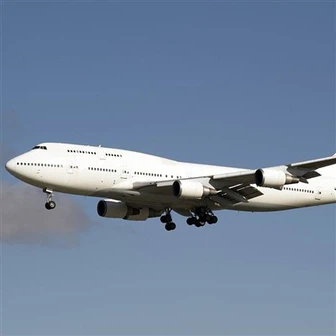
Air freight line: moderate cost-effectiveness (7-15 days), relatively mature customs clearance process, suitable for medium-weight goods.
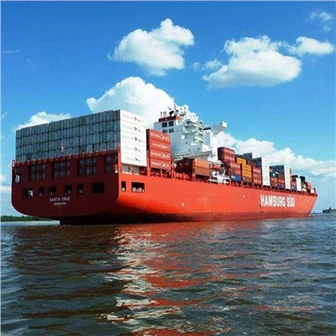
Sea freight line: lowest cost (20-40 days), suitable for large-volume, low-value goods, but the risk of delay in warehousing and distribution needs to be considered.
Overseas warehouse model: Storing goods in local warehouses in Australia in advance can achieve fast delivery (1-3 days), but it needs to bear warehousing costs and inventory risks.
2.2 Customs clearance process and compliance management
Under the DDU model, customs clearance is the responsibility of the buyer, but the seller needs to provide complete customs declaration documents to ensure a smooth process:
Prepare compliance documents: including commercial invoices, packing lists, certificates of origin (if applicable), product certifications (such as SAA certification), etc.
Choose a reliable customs clearance agent: Working with an experienced customs clearance company can avoid delays caused by incomplete documents or incorrect classification of goods.
Understand Australia's import rules: For example, low-value goods (less than AUD 1,000) are exempt from customs duties, but GST (Goods and Services Tax) is required.
2.3 Localization strategy for warehousing and distribution
Combine overseas warehouses with local distribution: Store popular goods in overseas warehouses, and use local express companies (such as Australia Post and StarTrack) to achieve fast delivery and improve customer satisfaction.
Optimize inventory management: Predict sales through data analysis, avoid inventory backlogs or out-of-stock, and reduce warehousing costs.
Optimize last-mile delivery: Work with local logistics service providers to provide flexible delivery options (such as self-pickup and scheduled delivery) to reduce the return rate.
3. Synergy between product selection and logistics: Create a win-win operation model
3.1 Product selection pricing strategy based on logistics costs
Logistics cost sharing: When selecting products, include logistics costs (including transportation, customs clearance, and warehousing) in the cost, and set reasonable prices to ensure profit margins.
Strategy for high-value products: Choose products with higher unit prices to reduce the proportion of logistics costs, such as jewelry, high-end electronic products, etc.
3.2 Reverse optimization of logistics timeliness on product selection
Time-sensitive product selection: For products with high timeliness requirements (such as holiday gifts), give priority to air transportation or overseas warehouse mode to ensure on-time delivery.
Combination of long-tail products and sea transportation: For long-tail products with stable sales but low timeliness requirements, sea transportation is used to reduce costs, and some inventory is reserved in overseas warehouses to balance timeliness.
3.3 Data-driven product selection and dynamic adjustment of logistics
Sales data monitoring: Through data analysis tools on platforms such as Amazon and eBay, track the logistics costs and profit margins of hot-selling products and eliminate low-efficiency categories.
Logistics service provider evaluation: Regularly evaluate the timeliness, price and customs clearance capabilities of logistics service providers to optimize the logistics channel combination.
Market trend forecasting: Combined with Australian market research data, seasonal products are arranged in advance, and logistics strategies are adjusted to cope with peak demand.
Summary: Seize the opportunity in the Australian market with product selection and logistics as the core
In the field of Australian DDU cross-border e-commerce, product selection and logistics are two core links that complement each other. By deeply analyzing the needs of the Australian consumer market, selecting lightweight, high value-added and compliant goods, and combining the optimization of logistics methods (such as overseas warehouses and local delivery), sellers can achieve a balance between cost and efficiency. At the same time, through data-driven dynamic adjustments, continuous optimization of product selection and logistics strategies can help sellers stand out in the fiercely competitive Australian market. For DDU cross-border sellers committed to expanding the Australian market, mastering the win-win strategy of product selection and logistics is the key to achieving long-term profitability and sustainable development.