What Global Economic Challenges Does The Australian B2B Market Face?
As an important global economy, Australia's B2B (business-to-business) market occupies a key position in the global trade pattern. However, with the profound changes in the global economic environment, Australian B2B companies are facing multiple challenges. From supply chain disruptions to geopolitical conflicts, from digital transformation pressures to sustainable development requirements, these challenges not only affect the operational efficiency of enterprises, but also pose a threat to Australia's economic growth and international competitiveness. This article will deeply analyze the main global economic challenges facing the Australian B2B market and explore its impact on enterprises and industries.
The Australian B2B market covers multiple fields such as manufacturing, mining, agriculture, and services, and is an important link in the global supply chain. However, the complexity of the global economic environment has increased significantly in recent years. From the supply chain disruption caused by the COVID-19 epidemic, to the soaring energy and raw material prices caused by the Russia-Ukraine conflict, to the acceleration of digitalization and green transformation in various countries, Australian B2B companies are facing unprecedented challenges. These challenges not only test the resilience of enterprises, but also put forward higher requirements for Australia's economic structure and policy adjustments.
Table of Contents
1.Supply Chain Disruption and Rising Logistics Costs
2.Geopolitical Conflicts and Intensified Trade Barriers
3.Lags and Challenges in Digital Transformation
4.Pressures of Sustainable Development and Green Transformation
5.Labor Shortage and Rising Costs
6.High Inflation and Global Economic Slowdown
7. Summary: Response Strategies and Future Outlook for the Australian B2B Market
1. Supply Chain Disruption and Rising Logistics Costs
1.1 Continued pressure on sea and air transport
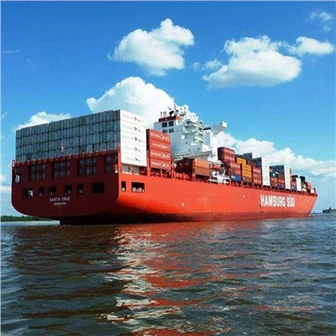
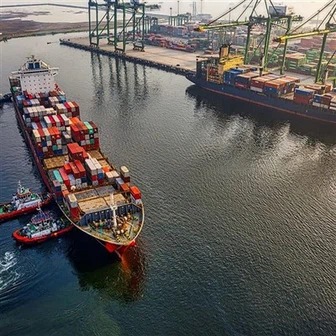
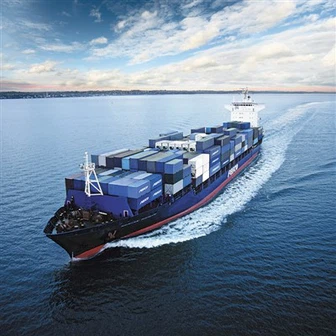
The fragility of the global logistics network was exposed during the pandemic. As an island country, Australia is particularly dependent on sea and air transport. In 2023, although the global container transportation cost has fallen, it is still higher than the pre-pandemic level. Australia's major ports (such as Sydney Port and Melbourne Port) face congestion and inefficiency, resulting in longer cargo detention time. In addition, the fluctuation of international air freight prices has also increased the transportation cost of high-value goods. For example, B2B companies that rely on air transportation such as electronic products and precision instruments may have logistics costs as high as 15%-20%.
1.2 Raw material shortages and price fluctuations
The disruption of the global supply chain has led to an unstable supply of raw materials, especially key materials such as semiconductors, steel, and chemicals. Australia's manufacturing and construction industries have been deeply affected, and companies have been forced to face the dilemma of shutdowns or high-priced purchases. For example, the global semiconductor shortage in 2022 caused Australia's automotive manufacturing output to fall by 12%, and some companies had to postpone order delivery. In addition, the surge in energy prices (such as natural gas and coal) has further pushed up the production costs of companies and squeezed profit margins.
2. Geopolitical conflicts and intensified trade barriers
2.1 Uncertainty in China-Australia trade relations
China is Australia's largest trading partner, but the trade relationship between the two countries has faced multiple challenges in recent years. Australia's exports of iron ore, agricultural products and other products to China are affected by tariffs and non-tariff barriers, and Chinese companies have also become cautious about investing in Australia. For example, Australia's wine exports to China fell 40% year-on-year in 2023, and some companies had to turn to other markets. This uncertainty forces Australian B2B companies to accelerate market diversification, but opening up new markets requires time and resources, which may lead to a decline in revenue in the short term.
2.2 The rise of global trade protectionism
Trade protectionist policies around the world (such as the US "Chips and Science Act" and the EU's carbon border adjustment mechanism) pose new challenges to Australian B2B companies. For example, carbon border taxes may increase the export costs of Australia's high-carbon emission products (such as steel and aluminum), weakening its competitiveness in the international market. In addition, protectionist measures on key technologies (such as semiconductors and new energy technologies) by various countries also limit the technology introduction and cooperation space of Australian companies.
3. Lag and challenges of digital transformation
3.1 Technology adoption bottlenecks for SMEs
Although Australia has a high overall level of digitalization, many SMEs face difficulties in digital transformation. According to the Australian Bureau of Statistics, only 45% of SMEs will use cloud computing services in 2023, far lower than the 82% of large enterprises. Insufficient investment in digitalization has led to inefficiencies in supply chain management, customer relationship maintenance, data analysis, etc., making it difficult for enterprises to cope with rapidly changing market demands. For example, traditional manufacturing companies may not be able to efficiently process customized orders due to the lack of intelligent production systems.
3.2 Data security and privacy protection problems
With the advancement of digital transformation, data security and privacy protection have become important challenges for enterprises. The Australian Privacy Act and the EU General Data Protection Regulation (GDPR) impose strict requirements on the collection, storage and use of data by enterprises. B2B companies need to ensure data compliance when working with international customers, which increases the operating costs and legal risks of enterprises. For example, cross-border data transmission may require additional security certification, and SMEs often lack the corresponding resources and capabilities.

4. Pressure from sustainable development and green transformation
4.1 Tightening of environmental regulations
Global concern about climate change has driven environmental regulations in various countries to become stricter, and Australia is no exception. In 2023, the Australian government announced that it would increase its 2030 emission reduction target to 43% and planned to implement a carbon pricing mechanism. This places higher demands on B2B companies in high-emission industries (such as mining and manufacturing). Companies need to invest in emission reduction technologies or purchase carbon credits, which will increase operating costs. For example, steel companies may need to adopt green hydrogen technology, but their initial investment is as high as hundreds of millions of Australian dollars.
4.2 Growing consumer demand for sustainable products
Global consumer preference for sustainable products is affecting the B2B market. Corporate customers are increasingly inclined to choose suppliers of environmentally friendly materials and low-carbon production. For example, the use of renewable materials in B2B procurement in the construction industry has increased from 18% in 2020 to 27% in 2023. Australian B2B companies may lose market share if they fail to meet this demand. However, developing sustainable products requires technological innovation and supply chain adjustments, which poses a challenge to small and medium-sized enterprises.
5. Labor shortage and rising costs
5.1 Skill gap and aging population
Australia faces a serious labor shortage, especially for high-skilled jobs. According to the Australian Industry Group, the skills gap in the manufacturing industry will reach 120,000 in 2023, and the gap in the construction industry will exceed 80,000. The aging population has exacerbated this problem, with the proportion of people over 65 years old rising from 13% in 2010 to 16% in 2023. Companies have to increase wages to attract talent, resulting in rising labor costs. For example, the average wage of manufacturing workers in the Sydney area has risen by 15% in the past three years.
5.2 Wage increases and corporate profit compression
Rising labor costs interact with high inflation, further compressing corporate profits. Australia's inflation rate reached 6.8% in 2023, the highest in nearly 30 years. Companies not only need to deal with rising raw material prices, but also have to bear the rigid growth of employee wages. For example, B2B companies in industries such as retail and catering may have a labor cost share of more than 40%, resulting in a drop in profit margins from 8% to below 5%.
6. High inflation and global economic slowdown
6.1 Impact of imported inflation on enterprises
As a resource exporter, Australia's inflation is significantly affected by international commodity prices. In 2022, global energy and food prices soared, pushing up Australia's import costs. For example, rising natural gas prices led to a 25% increase in energy costs for manufacturing, and companies were forced to pass on some of the costs to customers, further exacerbating inflationary pressures.
6.2 Market impact of weak global demand
The global economic slowdown (such as China's economic slowdown and declining consumer demand in Europe and the United States) poses a direct threat to Australia's B2B exports. In 2023, Australia's machinery exports to the EU fell by 10% year-on-year, and electronic product exports to Southeast Asia also weakened. Companies are facing the dilemma of reduced orders and inventory backlogs, and some companies have to reduce production or adjust their market strategies.
7. Summary: Response strategies and future prospects for the Australian B2B market
The global economic challenges facing the Australian B2B market are multi-dimensional, requiring joint responses from the government, companies and industries. In the short term, companies need to strengthen supply chain resilience, optimize logistics costs, and accelerate digital transformation; in the long term, they should increase investment in technological innovation, promote green transformation, and cultivate a workforce that adapts to the future. In addition, the government should help companies cope with challenges through policy support (such as tax incentives, infrastructure investment) and international cooperation.
Despite the severe challenges, the Australian B2B market also contains opportunities. For example, the growing global demand for clean energy technologies has provided export opportunities for Australian renewable energy companies; the deepening of digital transformation may give rise to new business models and market space. By actively adjusting their strategies, Australian B2B companies are expected to reshape their competitive advantages in the global economic landscape and achieve sustainable development.