Freight Forwarding: The Complete Guide To 2024
Freight Forwarding: The Complete Guide to 2024
Choosing the right freight forwarder is essential to ensure your logistics are smooth, efficient, and cost-controlled. In "Freight Forwarding: The Complete Guide to 2024", we provide you with in-depth industry insights to help you understand how to pick the best freight forwarder for your business. This guide will fully understand the roles and responsibilities of freight forwarders, detailing how they assist businesses with international transportation, customs clearance, cargo insurance, warehousing, and ultimately distribution services. Whether you are a new or experienced importer and exporter, this guide will provide you with all the key information you need to choose the right freight forwarder. With the resources of Freightos.com, you will learn how to evaluate freight forwarders' service quality, reliability, and their performance in complex global supply chains. Learn how to use advanced technology and tools to optimize transportation processes, reduce costs, and improve overall operational efficiency.
Table of contents
1.What is a Freight Forwarder?
2.Freight Forwarding Services
3.Do I Need a Freight Forwarder?
4.Freight Forwarder vs Customs Broker
5.Do l Need a Freight Forwarder or a Customs Broker?
6.International Freight ForwardingCompanies
7.Freight Process
1.What is a Freight Forwarder?
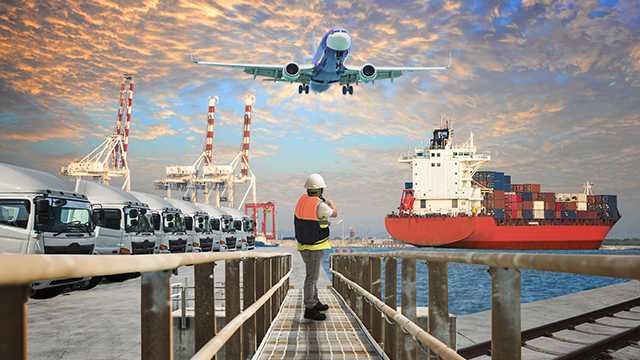
A freight forwarder is a logistics expert who arranges the transportation of goods for importers and exporters. Acting as intermediaries, they coordinate with carriers to ensure efficient and cost-effective shipping. Essentially, they are like travel agents for cargo, managing everything from planning to delivery.
Freight forwarders are licensed professionals with extensive knowledge of shipping processes, including customs clearance and final delivery. They help businesses streamline shipping operations and ensure smooth cross-border transportation.
Forwarders vary in size and expertise. Some focus on domestic trucking, while others specialize in international air or sea shipping. Larger forwarders offer global solutions, while smaller ones serve specific regions.shipping locally or globally, a freight forwarder simplifies logistics, saving time and reducing costs.
Freight forwarders offer a range of essential services to ensure smooth and efficient shipments. Here's what you can expect:
Documentation & Payments: They handle all the paperwork, make bookings, and manage payments for each part of the shipment they're responsible for.
Acting as Intermediaries: Forwarders liaise with various parties involved, including air cargo carriers, trucking companies, and other logistics providers.
Customs Brokerage: They provide customs clearance services, acting as both clearing and forwarding agents, and work with customs authorities on your behalf.
Troubleshooting: In case of any shipment issues, forwarders will manage and resolve them for you.
When you hire a freight forwarder, they will:
Explain key freight documents and shipment processes, offering expert advice and guidance throughout.
Provide recommendations on shipping options and help choose the best route.
Keep you informed on the progress of your shipment, especially if delays occur.
For more information on international freight policies and best practices, visit FIATA's website.
3.Do I Need a Freight Forwarder?
When it comes to booking a shipment, your specific needs will determine whether you require the services of a freight forwarder. Here are the different scenarios to consider:

(1) Handling Shipments Yourself
In today's digital world, many people avoid middlemen like travel agents. But arranging international freight without a freight forwarder can be risky for non-experts. Shipping, especially across borders, involves complex logistics, and mistakes can be costly. Even if you have a customs broker, arranging international shipments yourself can be a daunting task, and you'll need freight insurance to cover potential issues.
(2) Supplier Arranges the Shipment
Some suppliers may offer to manage the entire shipment for you. While this may seem convenient, keep in mind that suppliers aren't freight experts-they might add on extra charges to cover their costs. The shipping rates they offer may be inflated to recoup their fees, leaving you paying more than necessary.
(3) Supplier Handles Shipment to the US Port
A common pitfall for many importers is relying on a supplier who only arranges shipment to a U.S. port (often using CIF or similar incoterms). While it may seem like a good deal, there are hidden costs beyond the port of entry, including trucking fees and potential inflated charges once the shipment reaches its destination.
(4) Engaging a Freight Forwarder
The best option for smooth, efficient, and cost-effective shipping is to hire a freight forwarder to handle the entire shipment from the factory or foreign port. With their expertise, they manage everything, from documentation and bookings to transportation and customs clearance, making the process seamless for you.
Freight Forwarder vs Customs Broker
While both freight forwarders and customs brokers play crucial roles in international shipping, their responsibilities differ. Freight forwarders handle logistics, while customs brokers ensure that your goods clear customs smoothly.

Requesting a Freight Quote
To get an accurate freight quote, make sure you provide the following details:
Contact Information: Full addresses for both pickup and delivery, including postal codes.
Weights and Dimensions: Total weight, itemized list of boxes/pallets, and cubic volume (CBM).
Product Description: Including HS Codes for international shipping and Schedule B codes for U.S. imports.
Having the correct information on hand will help you get an accurate and competitive quote, ensuring a smooth shipping process.
4.Freight Forwarder vs. Customs Broker

A freight forwarder handles the entire transportation process, including booking shipments, negotiating freight rates, arranging transport, consolidating shipments, providing insurance, warehousing, tracking goods, and managing last-mile delivery. They coordinate the movement of goods for importers and exporters.
A customs broker specializes in customs clearance, ensuring that goods comply with regulations, including classification, valuation, documentation, duties, and taxes. They focus solely on the customs process, ensuring timely clearance, but do not manage transportation or logistics.
While some freight forwarders also provide customs services, customs brokers focus exclusively on clearing goods through customs.
| Freight Forwarder | Customs Broker |
| Serves as an intermediary between the carrier and the importer or exporter |
Serves as an intermediary between US Customs and the importer or exporter |
| Manages full shipping and logistics process for imports and exports |
Handles customs clearance at the destination port for import goods only |
| May or may not offercustoms brokerage services | Does not offer freight forwarding services |
Licensed by the Federal Maritime Commission for ocean freight,IATA for air,and Federal Motor Carrier SafetyAdministration for trucking |
Licensed by U.S.Customs and Border Protection |
5.Do I need a freight forwarder or a customs broker?
A freight forwarder and a customs broker each perform different functions, although some freight forwarding companies offer both services. If you ship internationally, you may need to hire both a freight forwarder and a customs broker - a freight forwarder will handle logistics and transportation arrangements to ensure your goods arrive at their destination on time, while a customs broker will focus on handling customs clearance procedures to ensure your goods comply with the regulations of the importing country.
6.Guide to Selecting an International Freight Forwarder
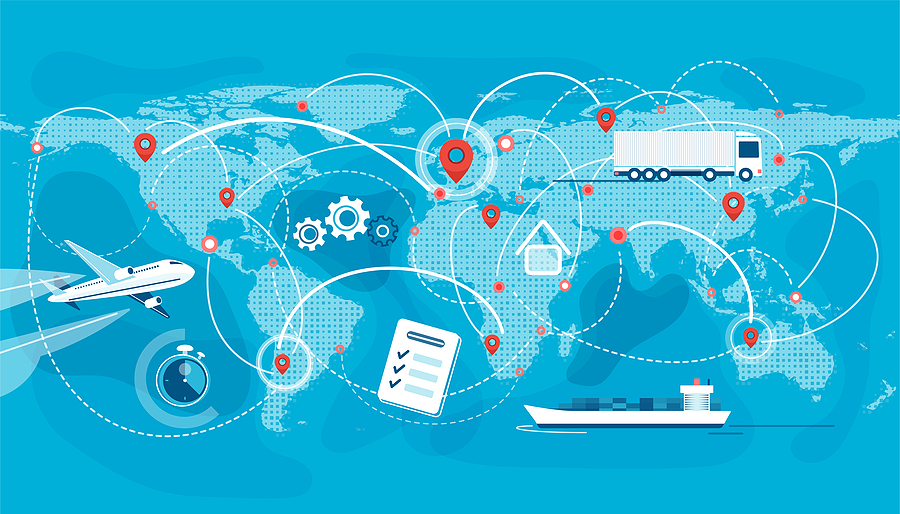
While you may know your business, the tools you need, and consumer shopping habits, freight management can still be confusing. That's when you need a trusted partner – a professional freight forwarder – to handle the logistics for you.
There are more than 100,000 freight forwarders worldwide, which makes the choices dizzying. However, the freight industry is often described as opaque, making it difficult for customers to accurately understand prices and service levels. Therefore, choosing the right freight forwarder is particularly important. Here are a few key factors to consider when choosing a freight forwarder:
(1) Consider your cargo needs
Different cargo has different requirements, and some cargo may require special handling. For example, some freight forwarders do not handle special cargo such as vehicles, household moves, and bulk commodities. If your cargo is special, it is crucial to choose a forwarder that can handle such cargo. In addition, the transportation of dangerous goods is also a special category. Some freight forwarders are not qualified to handle dangerous goods. Even some seemingly ordinary goods, such as toys with batteries, are classified as dangerous goods.
(2) Choose the right mode of transport
Based on the characteristics of your goods, determine the right mode of transport (air, sea or land), which can effectively narrow down the range of freight forwarders to choose from. For some goods that require special means of transportation, ensure that the agency has the corresponding transportation channels and capabilities.
(3) Balance between pricing and service
When choosing a freight forwarder, both price and service quality need to be considered:
Price:
Be wary of price increases that follow initial discounts.
Be aware of hidden costs in terms and conditions to avoid subsequent costs exceeding expectations.
Low-price leaders may reduce basic services, resulting in poor transportation quality.
Service quality:
Reliability: Whether the goods can be delivered on time and whether they can prevent loss and damage.
Communication: Whether they can provide quotes, update progress and handle problems in a timely manner.
Professionalism: Whether they have the ability to effectively coordinate with carriers and customs.
Pricing transparency: Ensure there are no hidden costs.
(4) Consider the geographical coverage of the freight forwarder
Not all freight forwarders can provide global services, especially for some smaller companies, whose agency network may be limited to their own country and a few major trading partners. If your transportation involves more special or niche countries (such as Bhutan, Argentina, etc.), please be sure to confirm in advance whether the freight forwarder can provide relevant services.
(5)The advantages and disadvantages of large and small freight forwarders
Choosing a large and globally renowned freight forwarding company has its advantages, especially when you can enjoy preferential prices when working with large carriers. However, large customers may receive priority services during busy periods, while small customers face insufficient resources. On the contrary, local freight forwarding companies usually provide faster responses and personalized services, but the prices may not be as competitive as large companies. Therefore, you need to weigh the balance between price and service.
(6)Choosing the right freight forwarder: price and quality
The ideal freight forwarder should not only have competitive prices, but also be able to meet your high requirements for service quality. Large-scale third-party logistics companies provide a wider range of services, but at a higher price; while digital freight forwarders provide more competitive prices and optimized service processes through automation. You need to choose the right freight forwarder according to your needs to ensure that you find the best solution between price and quality.
By considering the above factors, you can find a reliable and economical freight forwarder for your international transportation needs to ensure the smooth transportation of goods.
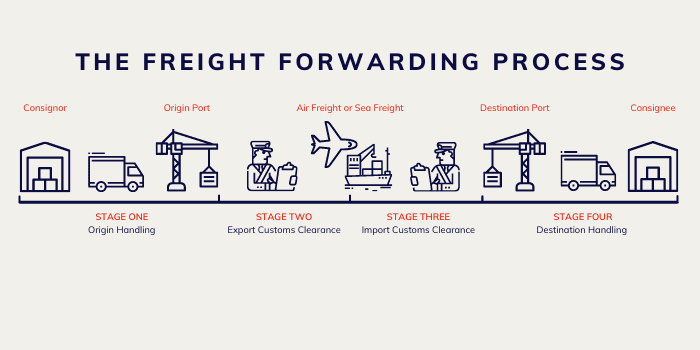
Freight Process
The freight process consists of several key stages, ensuring efficient and compliant transportation of goods:
Stage One: Origin Handling
The consignor prepares the cargo (packaging, labeling, documentation) and moves it to the origin port or warehouse. The goods are then loaded onto the chosen transport mode (air or sea) for the next leg of the journey.
Stage Two: Export Customs Clearance
At the origin port, the cargo clears export customs with the help of a customs broker, ensuring compliance with exporting regulations. Only after clearance can the goods proceed.
Stage Three: Import Customs Clearance
Upon arrival at the destination port, the cargo clears import customs, where the consignee settles duties, taxes, and fees before the goods are released for delivery.
Stage Four: Destination Handling
After customs clearance, the goods are unloaded, inspected, and moved to the destination warehouse or distribution center. If necessary, local delivery to the consignee is arranged.
These stages-origin handling, customs clearance, and destination handling-ensure smooth, timely, and compliant delivery of goods from consignor to consignee.
Need a professional freight team? Contact us