General Dry Cargo Ship Introduction
The following content was shared by Jiaxing Heyuan Supply Chain Co.,Ltd
Definition and use
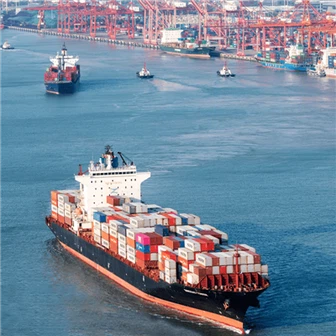
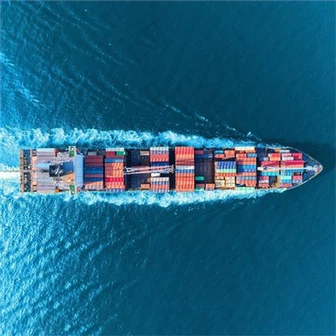
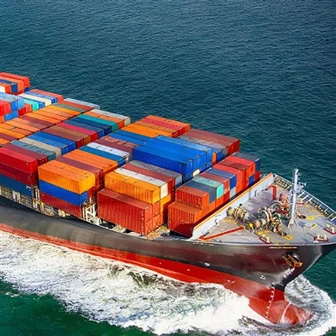
General dry cargo ship is a ship specially designed for the loading of general dry cargo, which usually has packaging, in the form of bales, boxes, bundles, etc. It is widely used in global maritime trade, undertaking the transportation of all kinds of industrial manufactured goods, daily necessities, machinery and equipment, etc., and is a key link connecting the circulation of commodities in different countries and regions.
Structural characteristics
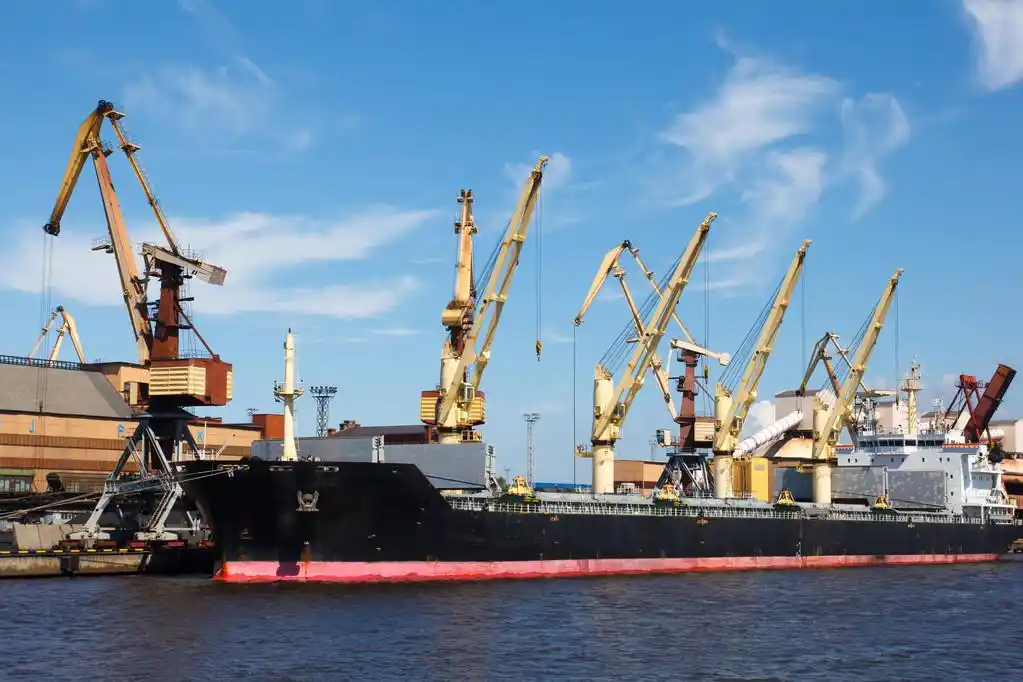
1. Deck structure: Usually a single deck, this design makes the cargo space open, easy to load and unload goods and stacking. The deck strength is high and can withstand the weight of the cargo as well as various stresses during loading and unloading. On the deck, there are a number of hatches, the size of the hatches is large, so that the use of cranes and other equipment for the vertical loading and unloading of cargo operations. The hatch is equipped with a strong hatch cover to protect the cargo from external factors such as wind, rain and waves during the voyage.
2. Cargo hold layout: The internal space of the cargo hold is relatively orderly, and there is generally no complex separating structure, but some components for reinforcement and support, such as ribs, beams, etc., will be set up to enhance the overall strength of the cargo hold. In order to facilitate the handling and fixing of the goods, the cargo hold is usually equipped with a fastening point, which can be firmly fixed in the hold through ropes, chains, etc., to prevent the goods from moving during the voyage, affecting the stability of the ship.
3. Ship superstructure: located at the head, tail or middle of the ship, including the cab, crew living area, engine room, etc. The cab is located at a higher position on the ship so that the crew can get a good view and steer the ship. The engine room is equipped with the ship's power system, power generation equipment, ventilation system and other important equipment to provide power and energy support for the ship's navigation and various operations.
Deadweight and dimensions
1. Load capacity: Ordinary dry cargo ships have a wide range of load capacity, small ones may only be a few hundred tons, mainly used for short-distance coastal transport or inland river transport, serving some small ports or trade. The capacity of large ordinary dry cargo ships can reach tens of thousands of tons, and the common load is about thousands of tons to 30,000 tons, which can meet the needs of long-distance and large-scale cargo ocean transportation.
2. Size: The length of the ship is usually ranging from tens of meters to hundreds of meters. The captain will be based on load capacity, navigation area and port conditions and other factors to design. The width and depth of the ship will also be reasonably configured according to the load capacity and stability requirements, so as to ensure the stability and navigation performance of the ship after loading cargo. In general, ships with larger deadweight will be correspondingly larger in size to provide sufficient buoyancy and space to load cargo.
Type of goods
1. Packaged goods: such as boxes of electronic products, plastic products, textiles, etc. These goods are usually packed in standard cartons, wooden cases or plastic boxes for easy counting, stacking and transportation. For example, common electronic products such as mobile phones and computers are generally packed in cartons and neatly stacked in the cargo hold.
2. Bagged goods: like bagged grain (such as wheat, rice), cement, etc. The goods are packed in bags for easy handling and storage. When loading, it is necessary to pay attention to the stacking method of goods to prevent bag damage and cargo leakage. For example, grain bagged goods should be considered when stacking ventilation to avoid mildew and deterioration due to humidity.
3. Bundled goods: such as steel (such as steel pipes, steel plates are often transported in the form of bundles), wood, etc. These goods are bundled for easy loading, unloading and securing. When the steel is bundled, ensure that it is firmly bound to prevent the danger caused by loosening during transportation; Wood needs to consider its water absorption and ventilation problems to avoid wood decay.
Strong versatility: can load a variety of types of dry cargo, adapt to the transportation needs of different industries, without the need for some special ships (such as oil tankers, liquefied gas vessels), for specific cargo design and transformation, greatly improving the efficiency of the use of ships and commercial flexibility.
Convenient loading and unloading: The design of large hatch and single deck makes the loading and unloading operation relatively simple, and a variety of common loading and unloading equipment can be used, such as shore crane, ship crane, etc., which can be more convenient for loading and unloading operations in different types of ports and shorten the residence time of goods in the port.

Limitations

Not applicable to special goods: For some goods with special transportation requirements, such as liquid goods, refrigerated goods, flammable and explosive dangerous goods, ordinary dry cargo ships can not meet their transportation conditions, and special liquid cargo ships, refrigerated ships or dangerous goods ships are required to transport.
Transport efficiency is relatively low: compared with container ships, ordinary dry cargo ships have a certain gap in the loading and unloading speed of goods and the standardization of transport organization. Container ships can achieve fast loading and unloading and efficient multimodal transport, while ordinary dry cargo ships need more manpower and time costs in terms of stacking and fixing of goods.
Operation and operation
1. Cargo handling operation: Before loading and unloading, the cargo hold needs to be cleaned and inspected to ensure that the cargo hold is free of debris and damage, and the ventilation equipment is in normal operation. In the process of loading and unloading, it is necessary to arrange the loading and unloading sequence and stacking method reasonably according to the characteristics of the goods and the structure of the ship. When using equipment such as cranes, it is necessary to strictly follow the operating procedures to ensure the safe lifting of goods. At the same time, attention should be paid to the protection of the goods to avoid damage to the goods during loading and unloading.
2. Navigation management: In the course of navigation, the crew needs to pay close attention to the ship's navigation status, weather and sea conditions and other information. According to the characteristics of the cargo and the stability requirements of the ship, reasonable adjustment of the ship's speed and course. At the same time, the cargo hold should be inspected regularly to ensure that the goods have not been moved or damaged. In case of bad weather, appropriate protective measures shall be taken to ensure the safety of the ship and cargo.
3. Maintenance: In order to ensure the performance and safety of the ship, regular maintenance of ordinary dry cargo ships is required. Including the inspection and maintenance of the hull structure to prevent corrosion, cracks and other problems; Maintenance and overhaul of the ship's power system, mechanical equipment, electrical equipment, etc., to ensure their normal operation; Check and maintain the ventilation, fastening and other facilities of the cargo hold to ensure that it can perform normal functions during transportation.
Jiaxing Heyuan Supply Chain Company always adhere to the customer-centric service concept, with comprehensive, efficient and professional one-stop logistics services, continue to help the prosperity of global trade, is your ideal partner to enter the international market and achieve business success. Look forward to working with you to create a more brilliant future!