How Do Freight Forwarders Coordinate With Different Transportation Modes?
In a complex global logistics system, freight forwarders play a key role in ensuring the smooth movement of goods. An important aspect of its function is the coordination of different modes of transport. The ability to effectively integrate sea, air, rail and road transport is critical because of the wide variety of goods, the distances they travel and the different delivery requirements. Jiaxing Heyuan Supply Chain Co., LTD., with its rich experience and comprehensive service projects, is an excellent example of how freight forwarders can skillfully coordinate these different modes of transportation.
1. Understand The Different Modes Of Transportation

1.1 Shipping
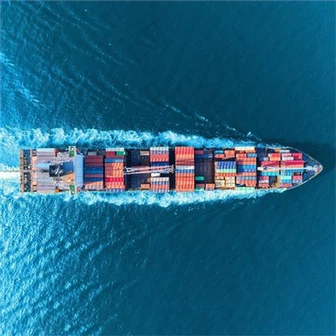
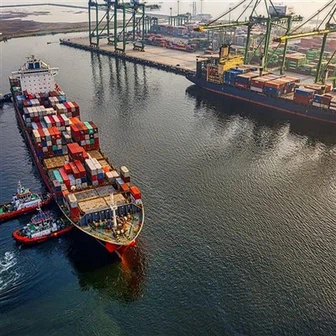
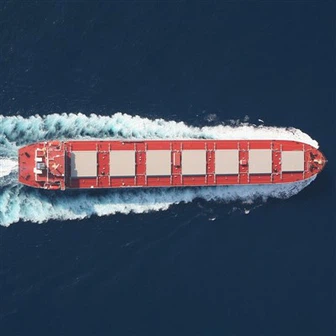
With its significant advantages of high cost efficiency and large volume, sea transportation has become the ideal transportation choice for large volume, non-time-sensitive emergency cargo. In the global trade, container ships are the main means of transport by sea, they are like the giant of the sea, can carry a large number of goods across the ocean. For example, a standard 40-foot container, its interior space is spacious, can hold a large number of various types of goods. A large number of daily consumer goods such as clothing, toys and furniture exported from China to the United States, as well as raw materials such as iron ore imported from Australia to China, are mostly transported by container ships. However, shipping is not perfect. Longer transit times increase the amount of time goods spend in transit, which for some time-sensitive goods may affect their timing to market. Moreover, in some busy ports, such as the port of Rotterdam and the Port of Shanghai, due to the huge volume of import and export goods, there will often be port congestion, resulting in prolonged berthing waiting time for ships, further increasing the uncertainty of transportation.
1.2 Air Transportation
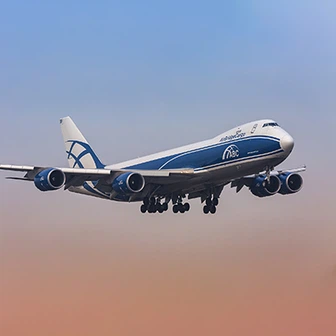
With its unrivalled speed and high reliability, air freight occupies an important position in the transportation of high-value, time-sensitive or perishable goods. In modern business, many industries are highly dependent on air freight to ensure timely delivery of goods. For example, in the electronic products industry, newly released smart phones, tablets and other products, in order to be sold in the global market at the first time, often choose to quickly transport to various places by air. For example, medicines in the medical sector, especially some urgent life-saving medicines and biological products, as well as perishable agricultural products such as flowers and fresh fruits, need to be delivered to their destinations by air in the shortest possible time to maintain their quality and effectiveness. However, there are obvious limitations to air transport. High transportation costs make it less suitable for some cost-sensitive cargo, and the limited cargo space of the aircraft, the volume and weight of the cargo have strict restrictions, can not meet the transportation needs of large quantities of cargo.
1.3 Railway Transport
Rail transport has found a relative balance between cost and speed, and is especially suitable for long-distance land transport on a continental scale. Its powerful transport capacity enables efficient delivery of large volumes of heavy and bulky items. Domestically, coal, as the main energy material, is transported in large quantities by rail from production areas to power plants and industrial enterprises across the country. Internationally, the "China-Europe Express" has become an important logistics channel connecting China and European countries, and many industrial products, machinery and equipment are transported across the Eurasian continent by rail, which not only saves transportation costs, but also takes less time than sea transport. In addition, compared with road transport, railway transport has certain advantages in energy consumption and environmental pollution, and is more in line with the concept of sustainable development.
1.4 Road Transport
Road transport, with its high flexibility and the ability to achieve door-to-door convenient service, plays an indispensable role in logistics transportation. Trucks, as the main means of road transport, can penetrate into every corner of the city, even remote rural areas, and deliver goods directly to customers. In urban distribution, road transport plays a key role, and most of the goods supply of supermarkets and express distribution of e-commerce platforms rely on road transport to complete. In some short-distance cargo transportation, such as the transfer from the factory to the nearby warehouse, the advantage of road transportation is more obvious, and it can respond quickly and adjust the transportation plan in time. However, the load capacity of road transport is relatively small, and in some areas with heavy traffic, it is vulnerable to traffic congestion, resulting in longer transport time and reduced transport efficiency.
2. Coordination Strategies Adopted By Freight Forwarders
2.1 Route Planning And Optimization
Jiaxing Heyuan Supply Chain Co., Ltd. will carry out comprehensive and careful consideration when planning the route. First of all, in-depth analysis of the specific location of the origin and destination of the goods, the surrounding transportation infrastructure and the local logistics environment. For example, for goods shipped from inland Chinese cities to Europe, if the point of origin is close to a rail hub and the destination is in inland Europe, it may be preferred to first transport the goods by rail to a coastal port, then by sea to a major European port, and finally by road or rail to the final destination. At the same time, it is essential to fully consider the nature of the goods.
For fragile goods or goods with special requirements for temperature and humidity, more stable and environmentally controllable transport routes and methods will be chosen. In this process, the use of advanced logistics software and data analysis technology to simulate and evaluate a variety of possible routes, comprehensive consideration of transportation time, transportation cost, transportation safety and other factors, so as to determine the optimal transportation route.
2.2 Carrier Selection And Negotiation
In the long-term business operation, Heyuan Supply Chain has established extensive and in-depth cooperative relations with many carriers in different transportation fields. When choosing a carrier, the quality of its services is rigorously assessed. For sea carriers, the seaworthiness of their ships, the professional quality of their crews, the coverage of their routes, and the operational efficiency of their ports are examined. For air carriers, they are concerned about the on-time rate of their flights, the safety and security measures of goods, and the quality of ground services. In the case of rail transport, the transport capacity of the railway company, the stability of the transport plan, and the tracking and information feedback ability of the cargo are assessed. In road transport, emphasis is placed on the condition of the carrier's vehicle, the experience and qualifications of the driver and the flexibility of the transport service. In the process of negotiation, with its own business scale and market influence, negotiate with the carrier for more favorable terms of cooperation, such as more favorable freight prices, priority arrangement of shipping space or train number, better cargo insurance conditions, etc., to provide customers with more cost-effective transport services.
2.3 Cargo Handling And Transshipment
In the cargo handling link, and the source supply chain has developed strict operating norms and processes. From the receipt of the goods, the quantity, quality, packaging, etc. of the goods will be carefully checked and recorded to ensure that the goods are in good condition before transportation. For goods requiring special packaging, such as fragile goods, liquid goods, etc., professional packaging services will be provided, using appropriate packaging materials and packaging methods to prevent the goods from being damaged during transportation. During the transfer process, whether it is from sea to rail or road transport, or the conversion between other modes of transport, there are professional teams for on-site supervision and operation. For example, when containers are transferred from the port to the railway yard, professional lifting equipment is used to ensure the smooth loading and unloading of containers, and the cargo is checked again to prevent the cargo from being shifted or damaged during the transfer process. At the same time, the use of advanced information technology means to real-time track the location and status of the goods, and timely feedback to customers about the progress of the transportation of goods.
2.4 Document Processing And Customs Clearance
Heyuan Supply Chain has a professional document processing and customs clearance team, they have a deep understanding of international trade regulations and customs policies of various countries and rich practical experience. In terms of document processing, various necessary documents such as bills of lading, commercial invoices, packing lists, certificates of origin, etc. are prepared accurately and timely according to different modes of transport and trade terms. For each document, a rigorous audit is carried out to ensure that its content is accurate and the format meets the requirements. In the customs clearance process, understand the customs policies and regulations of the destination country in advance, help customers prepare complete customs clearance documents, and assist customers to handle the relevant customs clearance procedures. For some possible customs risks, such as commodity classification disputes, tariff adjustments, etc., we can formulate countermeasures in advance to avoid delays or additional costs in the customs link of goods.
3. Harmonize The Benefits Of Different Modes Of Transport
3.1 Cost Savings
By cleverly combining different modes of transportation and source supply chains, significant cost savings can be achieved for customers. In long-distance transportation, the low-cost advantage of sea transportation makes the transportation cost of large quantities of goods greatly reduced. For example, for some non-urgent industrial raw materials and commodities, choosing sea transportation can greatly reduce transportation costs. When it comes to last-mile distribution or short-distance transport, the flexibility and relatively low cost of road transport make it the best choice. For some goods with high time requirements but need to control costs, they can be quickly transported to the airport near the destination by air first, and then completed by road transportation, which not only ensures the timeliness of the goods, but also avoids the high cost of the whole air transport. Through the reasonable planning of the combination of transportation modes, and the source supply chain can meet the needs of customers under the premise of reducing the transportation cost to the greatest extent.
3.2 Shorten Transportation Time
The coordination of different transportation modes can effectively shorten the transportation time of goods and meet the requirements of customers for timeliness. For some urgent orders or high-value goods, air freight can quickly transport goods to major hub cities, and then quickly reach the final destination by road or rail transport. In some international transport, by combining sea transport with railway transport, the use of fast lanes such as the "China-Europe Express train" can greatly shorten the transport time than the traditional sea transport. For example, some goods from China to Europe may take about 30 days by sea, and through the combination of sea shipping and China-Europe freight trains, the transportation time can be shortened to less than 20 days, greatly improving the transportation efficiency of goods, so that customers can bring products to the market faster.
3.3 Improve Flexibility And Adaptability
The coordinated use of different modes of transport gives logistics more flexibility and adaptability. In the actual transportation process, it is inevitable to encounter various unexpected situations, such as bad weather, transport vehicle failure, policy changes, etc. When these situations are encountered, the supply chain can quickly adjust the transportation plan and switch to other suitable modes of transportation. For example, when maritime vessels cannot arrive at the port on time due to bad weather, they can change part of the cargo to air freight through consultation with the airline to ensure that the cargo can be delivered on time. Or when road transport is affected by road construction or traffic control, it can be adjusted to railway transport in time to ensure the normal transport of goods. This flexible transport mode switching capability enables the supply chain to better cope with various uncertainties and improve customer satisfaction.
4. Challenges In Coordinating Different Modes Of Transport
4.1 Operation Complexity
Coordinating multiple modes of transport is a very challenging task, involving many complex operational links. Each mode of transport has its own unique operating model, technical requirements and management norms. In shipping, it is necessary to consider the arrangement of shipping schedule, the operation process of the port, the scheduling of containers, etc. Air transport should pay attention to the flight time, cargo security and installation requirements; Railway transportation involves the formation of trains, the adjustment of running plans, etc. Road transport to deal with vehicle scheduling, driver management and changes in road conditions. The supply chain needs to organically integrate these different operating links to ensure seamless connection between all links. This requires not only a high degree of organization and coordination, but also an advanced information management system to achieve real-time monitoring and management of the transportation process.
4.2 Regulatory And Compliance Issues
In global trade, regulations and policies in different countries and regions vary greatly, which creates a number of compliance challenges for freight forwarders when coordinating transportation modes. In terms of customs regulations, different countries differ in the classification of goods, tariff rates, import license requirements, etc. Supply chains need to be aware of and comply with these regulations in a timely manner to ensure that goods can pass through customs. For example, some countries impose strict import restrictions on certain specific goods, or have special requirements for the packaging and labeling of goods, and if the regulations are not met, the goods may be detained or returned. In addition, in terms of transportation safety regulations and environmental regulations, there are also different standards and requirements, which require detailed research and response by freight forwarders.
4.3 Communication And Information Sharing
In the process of coordinating different modes of transport, effective communication and information sharing are essential. However, communication and information sharing are often difficult due to the multiple parties involved, including shippers, carriers, customs, ports, etc., and the parties may be in different geographical locations and time zones. The supply chain needs to establish an efficient communication mechanism to ensure that all parties can obtain and transmit information in a timely and accurate manner. For example, during the transit of goods, the status and location information of the goods needs to be notified to the relevant carriers in a timely manner so that they are ready to receive and transport the goods. At the same time, it is also necessary to maintain close communication with customers, timely feedback on the progress of cargo transportation, and answer customers' questions. In order to realize the efficient sharing of information, the supply chain needs to invest in the construction of advanced information management system, integrate the information resources of all parties, and improve the speed and accuracy of information transmission.
5. Conclusion
To sum up, freight forwarders such as Jiaxing Heyuan Supply Chain Co., Ltd. play a vital role in the global logistics system, and they provide customers with efficient, economical and flexible logistics solutions through effective coordination of different transportation modes. Although there are many challenges in the coordination process, such as complex operations, regulatory compliance and communication information sharing, freight forwarders can better meet these challenges by continuously improving their professional capabilities, optimizing management processes and strengthening technological innovation, giving full play to the advantages of different modes of transport, and providing strong support for the development of global trade. As the global economy continues to evolve and trade patterns continue to change, the ability of freight forwarders to coordinate different modes of transport will continue to improve in order to adapt to increasingly complex and diversified logistics needs and create greater value for customers.