Shipping From Binzhou, Shandong To Petrie Terrace, QLD: Air, Sea & Container Freight
As an important industrial and agricultural base in northern China, Binzhou, Shandong, has rich textile, chemical, machinery manufacturing products and special agricultural and sideline products. In recent years, its trade with Queensland, Australia has become increasingly close. Brisbane, where Petrie Terrace is located, is the economic and cultural center of Queensland, with a strong demand for all kinds of goods. The transportation of goods from Binzhou to Petrie Terrace is mainly achieved by sea, air and container freight. Different modes of transportation have their own advantages and disadvantages. Enterprises need to flexibly choose appropriate transportation solutions based on the characteristics of the goods, timeliness requirements and cost budget to ensure the efficient operation of the trade chain.
Ocean shipping from Binzhou, Shandong to Petrie Terrace, QLD
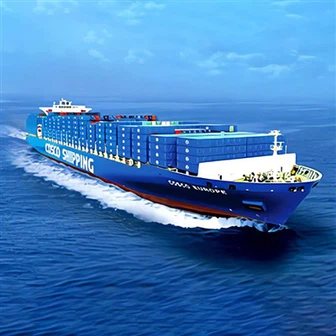
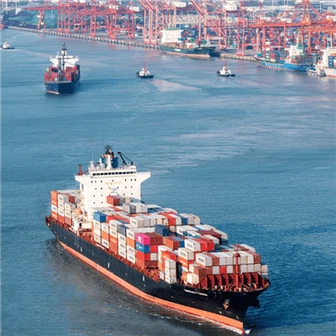
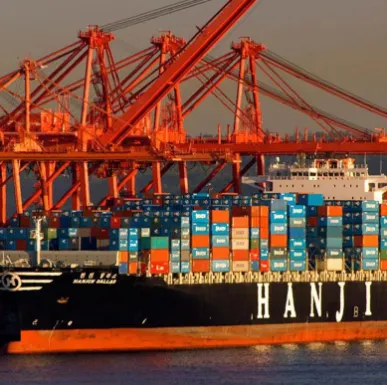
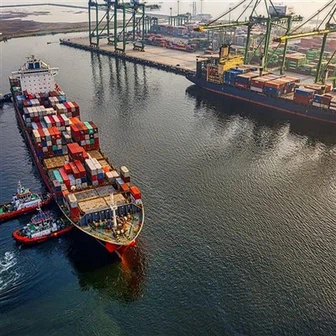
With its huge carrying capacity and relatively low cost, sea transportation has become the mainstream choice for freight from Binzhou to Petrie Terrace. Goods from Binzhou and surrounding areas are usually transported to domestic hub ports such as Qingdao Port and Shanghai Port by road or rail. After completing the cargo consolidation and customs clearance procedures at the port, take a cargo ship bound for Australia, mainly docking at the Port of Brisbane, and then transfer the goods to the Petrie Terrace by land transportation. Container shipping is the core mode of sea transportation, which is divided into full container (FCL) and less than container (LCL) transportation. For large enterprises or when there is sufficient cargo volume, full container transportation can ensure the safety and independence of goods and reduce the risk of cargo damage; for small and medium-sized enterprises or when there is less cargo volume, less than container transportation can significantly reduce costs and achieve intensive use of resources. However, sea transportation also has obvious shortcomings, with a long transportation cycle and is easily affected by factors such as bad weather at sea and port congestion. For example, during the peak season for Australian agricultural product exports, the Port of Brisbane is busy, and the time for ships to dock and load and unload may be greatly extended, resulting in delayed delivery of goods.

Air cargo from Binzhou, Shandong to Petrie Terrace, QLD
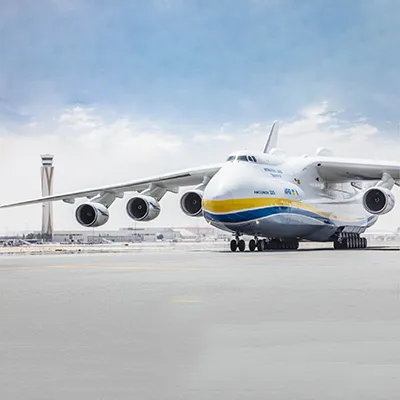
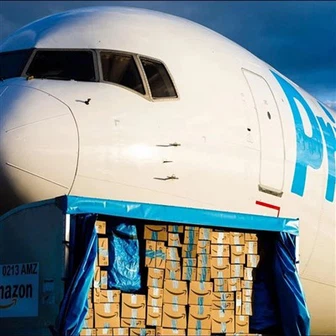
Air transport, with its high efficiency and speed, plays an important role in the transportation of time-sensitive goods. Since Binzhou does not have an international airport, the goods must first be transported by land to Jinan Yaoqiang International Airport or Qingdao Jiaodong International Airport for loading. Usually, they will transfer through domestic aviation hubs such as Shanghai Pudong International Airport or Guangzhou Baiyun International Airport, then take an international flight directly to Brisbane International Airport, and finally complete the "last mile" distribution by land to deliver the goods to Petrie Terrace.
Air transport is particularly suitable for transporting high value-added, small volume, light weight and time-sensitive goods, such as electronic products, precision instruments, high-end textile samples and fresh food. However, air transport costs are relatively high, and there are strict restrictions on the size and weight of goods. At the same time, it may also be affected by flight schedule adjustments, air traffic control and weather factors. For example, electronic products are updated rapidly. In order to seize the market opportunity, companies often choose air transport to quickly deliver new products to Australian customers.

Freight Forwarder from Binzhou, Shandong to Petrie Terrace, QLD
Freight forwarding plays a key role in the freight process from Binzhou to Petrie Terrace. With deep industry experience and a wide global logistics network, professional freight forwarding companies can provide customers with one-stop services including booking, customs declaration, inspection, transportation plan planning, cargo tracking, etc. Freight forwarding companies are familiar with the trade policies, customs regulations and transportation processes of China and Australia, and can effectively avoid customs clearance delays, fines and other problems caused by unfamiliar rules. At the same time, they can also tailor the best transportation plan according to the specific characteristics and needs of customers' goods, and minimize transportation costs while ensuring transportation quality. For example, by integrating LCL cargo from different customers, optimizing routes and transit arrangements, and improving transportation efficiency.
Transit time from Binzhou, Shandong to Petrie Terrace, QLD
The transportation cycle of sea transportation is relatively long. It takes about 18 to 30 days from the completion of the assembly of Binzhou goods to the final delivery to Petrie Terrace. The specific duration is affected by factors such as port operation efficiency, route distance, sea weather conditions and customs clearance speed at the destination port.
Air transportation greatly shortens the transportation time. From the delivery of Binzhou goods to the airport to the collection of goods by customers in Petrie Terrace, the entire process usually takes only 5 to 10 days. However, if multiple transfers are involved, the transportation time may increase. In addition, whether it is sea or air transportation, the customs clearance time of the goods at the Port of Brisbane or the airport will also affect the overall transportation time. If the customs clearance documents are complete and the goods comply with relevant regulations, customs clearance can generally be completed within 1 to 3 working days; if there is a problem, the customs clearance time is difficult to estimate.
Freight rates from Binzhou, Shandong to Petrie Terrace, QLD
Ocean freight costs are mainly composed of basic freight, fuel surcharges, port surcharges, etc. The cost of full container shipping varies depending on the type and size of the container. The freight of a 20-foot standard container can reach US$1,500-2,500 in the peak season, and may drop to US$800-1,200 in the off-season; LCL shipping is charged according to the volume or weight of the goods, and the cost per cubic meter or per ton fluctuates between about US$80-200.
Air freight costs are calculated based on the actual weight or volume weight of the goods (whichever is higher). The freight per kilogram is usually around US$4-12. The specific price is significantly affected by factors such as the nature of the goods, the supply and demand of flight space, and the peak and off-peak seasons.
In addition to transportation costs, companies also need to consider other costs such as customs declaration fees, inspection fees, document fees, and customs clearance fees at the destination port. The service fees of freight forwarding companies will also vary depending on the service content and the size of the company. Therefore, when choosing a mode of transportation and a freight forwarder, companies need to comprehensively weigh factors such as cargo characteristics, transportation timeliness and cost to develop the most cost-effective freight plan.