Shipping From China To The Netherlands 2025
Comparison of shipping times for various modes of transport
Planning shipping from China to the Netherlands requires a clear understanding of the transit times for each mode of transport. Here is an overview to help you choose the most suitable method:
|
SHIPPING MODE |
TRANSIT TIME (DAYS) |
|
Sea Freight(LCLFCL) |
40-42 |
|
Air Freight |
2-5 |
|
Express Shipping |
3-5 |
|
Rail Freight |
25 |
Factors Affecting Transit Times And Mitigation Strategies
Weather Conditions: Severe weather can delay sea and air freight schedules.
Port Congestion & Customs Delays: Peak seasons or regulatory changes can cause longer processing times.
Logistics Chain Efficiency: Smooth coordination between carriers, ports, and customs reduces unnecessary delays.
Mitigation Strategies:
Select the Right Shipping Mode: Use air freight for urgent shipments, especially during peak sea freight periods, to avoid congestion.
Partner with Reliable Freight Forwarders: Experienced forwarders can provide alternative routes and adapt to disruptions.
Prepare Thorough Documentation: Ensure compliance with customs regulations to prevent unnecessary clearance delays.
Efficient planning and proactive strategies are key to minimizing transit time risks.

Air Freight from China to Netherlands
Advantages:
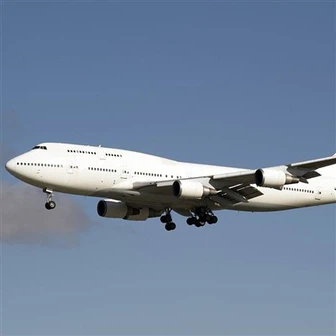
Speed: With a transit time of 3 to 5 days, it is ideal for urgent shipments.
Reliability: Regular flights ensure a predictable delivery schedule.
Considerations:
Cost: Air freight is 4 to 5 times more expensive than ocean freight and is better suited for lightweight, compact or high-value shipments.
Suitability: Best for shipments where speed takes precedence over cost.
Sea Shipping from China to Netherlands
Main Shipping Routes:
Shanghai - Rotterdam: An efficient route with a transit time of 30-40 days.
Suez Canal Route: Faster but may involve higher shipping costs.
Northern Route: Longer transit time but can save costs.
Choosing the right freight forwarder and route ensures cost-effective, reliable shipping tailored to your needs.

Major ports for exporting from China to the Netherlands
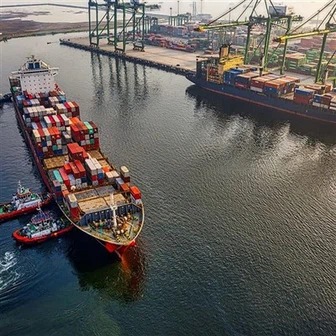
Shipping from China to the Netherlands involves some of the world's busiest and most advanced ports, such as Shanghai, Shenzhen, and Guangzhou. These ports play a key role in ensuring efficient and cost-effective international shipping:
Port of Shanghai:
As the world's busiest container port, Shanghai excels in handling large volumes of cargo and has advanced logistics and customs facilities, making it a top choice for exporters targeting the European market.
Port of Shenzhen:
Located in the Pearl River Delta, Shenzhen is an important hub for electronics and high-tech products, providing professional logistics services to these industries.
Port of Guangzhou:
The port is an important link for automotive parts and textiles, with strong infrastructure and streamlined customs processes.
The Netherlands is the main gateway for Chinese goods into Europe, with major entry points including Rotterdam and Amsterdam. These ports ensure seamless distribution across the continent:
Port of Rotterdam: Rotterdam is Europe's largest port, with advanced logistics and customs services, and is a central hub for European trade. Its extensive infrastructure supports fast customs clearance and efficient delivery.
Port of Amsterdam: Although smaller than the Port of Rotterdam, Amsterdam specializes in specific cargo types, especially agricultural products and consumer goods, and provides tailor-made logistics solutions for these goods.
Choosing the right port ensures smooth, efficient and optimized transportation throughout Europe.
How to Ship Goods from China to the Netherlands: Step-by-Step Guide
Thorough preparation is essential for smooth shipping from China to the Netherlands, focusing on three key areas: documentation, packaging, and labeling.
Documentation:
Key documents include a commercial invoice, packing list, and bill of lading. These must accurately describe the goods, their value, and the involved parties. For example, the commercial invoice should clearly state the contents and value of the shipment, as customs authorities will use it to calculate duties and taxes.
Packaging:
Proper packaging is crucial to protect goods during transit. Use durable materials and tailor the packaging to the product's specific needs, such as waterproofing, cushioning, or temperature control.
Labeling:
Labels must comply with the regulations of both China and the Netherlands, including clear product descriptions and safety warnings (if applicable). Correct labeling facilitates smooth customs clearance and ensures the goods are handled appropriately throughout the shipping process.
The 7 Steps of Global Shipping


Export Haulage
Export haulage transports a product from the shipping business to the international forwarder's premises. The method of transportation depends on both the product being shipped and the shipper's agreement with the consignee.
Clear Export Customs
Before a shipment can leave the country, it must clear all customs requirements. A certified customs professional prepares and files documentation to the customs office for the shipment. The shipping business can hire an international forwarder with certified customs agents or get a customs house broker appointed to their shipment.
Export Handling
Export handling prepares the shipment for international travel transportation by boat or plane. This involves consolidating multiple shipments into one shipping container if necessary, transporting containers to ports, and getting containers loaded onto a ship or plane. The international forwarding company handles this process, but it is up to the shipper and consignee to decide which forwarding company to choose and who pays for it.
Ocean or Air Freight
The shipment is transported by sea or air, depending on the specific shipment requirements. Air freight is more expensive, but it is faster than ocean freight. Ocean freight is the most cost-effective option. While shipment requirements, like shipping time and order size, determine the mode of freight, the international forwarding company chooses the shipping line or air shipment company.
Clear Import Customs
The import nation has its own laws and regulations for incoming shipments. The shipment will stay in a custom-bound destination warehouse until the qualified customs agent appointed to the shipment files the necessary documentation.
Import Handling
Import handling is the movement of goods from the ship or plane to the destination warehouse. Similar to export handling, it involves unloading containers, transporting them from a dock to a warehouse, unstuffing the container, and preparing the shipment for the consignee. The freight forwarder coordinates and pays for the import handling, and then the price is passed on to the shipper or consignee.
Import Haulage
The final step in the international transport supply chain occurs when the shipment cargo leaves the destination warehouse for the consignee's collection. During this part of the transportation process, either the freight forwarder delivers the shipment or hires a local transportation company to haul it via rail, truck, or both.
Commercial Invoice: This document outlines the details of the sale, including the seller and buyer information, product descriptions, quantities, prices, and payment terms.
Packing List: This provides detailed information about the contents of the shipment, including the dimensions, weight, and packaging type for each item.
Bill of Lading (BOL): This is a legal document issued by the carrier that serves as a receipt for the goods and a contract for transportation. It outlines the terms of the shipment and the responsibilities of the parties involved.
Import License: Depending on the type of goods being imported, an import license may be required by U.S. Customs and Border Protection (CBP).
Customs Declaration: This document provides information to customs authorities about the nature and value of the goods being imported. It may be part of the Bill of Lading or submitted separately.
Certificate of Origin
This verifies the origin of the goods and may be required for certain products to determine eligibility for tariffs or trade agreements.
Insurance Certificate
This document provides proof of insurance coverage for the shipment, protecting against potential loss or damage during transit.
FDA/USDA Permits
If you are shipping food, beverages, or certain agricultural products, additional permits or certifications may be necessary to comply with regulations set by the Food and Drug Administration (FDA) or the U.S. Department of Agriculture (USDA).
Our Partners