

Can I ship books via LCL sea freight?
Shipping books via Less than Container Load (LCL) sea freight is a common query among individuals and businesses alike. As an LCL sea freight supplier, I'm here to shed light on the feasibility, benefits, and considerations of shipping books using this method.
The Feasibility of Shipping Books via LCL Sea Freight
Books are generally suitable for LCL sea freight. They are relatively stable in terms of physical properties, not prone to damage during normal handling and transportation, and can withstand the long - distance journey by sea. Unlike some perishable or hazardous goods, books don't require special storage conditions such as temperature control.
One of the key advantages of using LCL sea freight for books is cost - effectiveness. If you don't have enough books to fill a full container, LCL allows you to share the container space with other shippers. This means you only pay for the space your books actually occupy, which can significantly reduce shipping costs compared to using a full container.
The Process of Shipping Books via LCL Sea Freight
The process of shipping books via LCL sea freight typically starts with booking. You need to contact an LCL sea freight supplier like me to reserve space for your books. Provide detailed information about the quantity, weight, and dimensions of the books. This helps in accurate space allocation and cost calculation.
Once the booking is confirmed, you'll need to prepare the books for shipping. Proper packaging is crucial. Use sturdy boxes to protect the books from damage during transit. Label the boxes clearly with information such as the destination address, your contact details, and a description of the contents.
After packaging, the books are transported to the consolidation warehouse. Here, they are combined with other shipments going to the same or nearby destinations. The consolidation process is carefully managed to ensure efficient use of container space.
The next step is loading the consolidated cargo onto the ship. This is done by experienced stevedores who follow strict safety and loading procedures. During the sea journey, the ship follows a pre - determined route to the destination port.
Upon arrival at the destination port, the container is unloaded, and the books are separated from other shipments. At this stage, Customs Clearance Successful is a critical step. Customs authorities will inspect the shipment to ensure compliance with import regulations. This may include checking for proper documentation, such as invoices, packing lists, and certificates of origin.
Considerations for Shipping Books via LCL Sea Freight
When shipping books via LCL sea freight, there are several important considerations. Firstly, customs regulations vary from country to country. Some countries may have restrictions on certain types of books, such as those with religious, political, or sensitive content. It's essential to research and understand the customs requirements of the destination country in advance to avoid any delays or issues at the border.
Secondly, transit time is a factor. LCL sea freight generally takes longer compared to air freight. The transit time can range from a few weeks to several months, depending on the origin and destination ports, as well as the shipping route. If you have a tight deadline for the delivery of the books, you need to plan accordingly.
Another consideration is insurance. While books are relatively stable, there is still a risk of damage or loss during transit. It's advisable to purchase cargo insurance to protect your investment. Make sure to discuss the insurance options with your LCL sea freight supplier.
Benefits of Choosing Our LCL Sea Freight Service for Shipping Books
As an LCL sea freight supplier, we offer several benefits for shipping books. Our extensive network of shipping lines allows us to provide competitive rates. We have established partnerships with reliable carriers, ensuring the safety and timely delivery of your books.
Our experienced team is well - versed in customs procedures. We can assist you in preparing the necessary documentation and navigating the customs clearance process smoothly. This reduces the risk of delays and ensures that your books reach their destination without unnecessary hassle.
We also offer Sea Freight & Logistics Solution. From packaging advice to door - to - door delivery options, we can customize the service according to your specific needs. Whether you are an individual shipping a few books or a business shipping a large quantity, we have the expertise to handle your shipment.
Comparing LCL Sea Freight with Other Shipping Methods for Books
When it comes to shipping books, there are other options available, such as air freight and courier services. Air freight is known for its speed, but it is also significantly more expensive. If cost is a major concern and you can afford a longer transit time, LCL sea freight is a better choice.
Courier services are convenient for small - scale shipments. However, they may not be cost - effective for large quantities of books. Additionally, courier services may have weight and size limitations. LCL sea freight can handle larger volumes and heavier shipments more efficiently.
Case Studies of Shipping Books via LCL Sea Freight
Let's look at a couple of case studies to illustrate the effectiveness of shipping books via LCL sea freight.
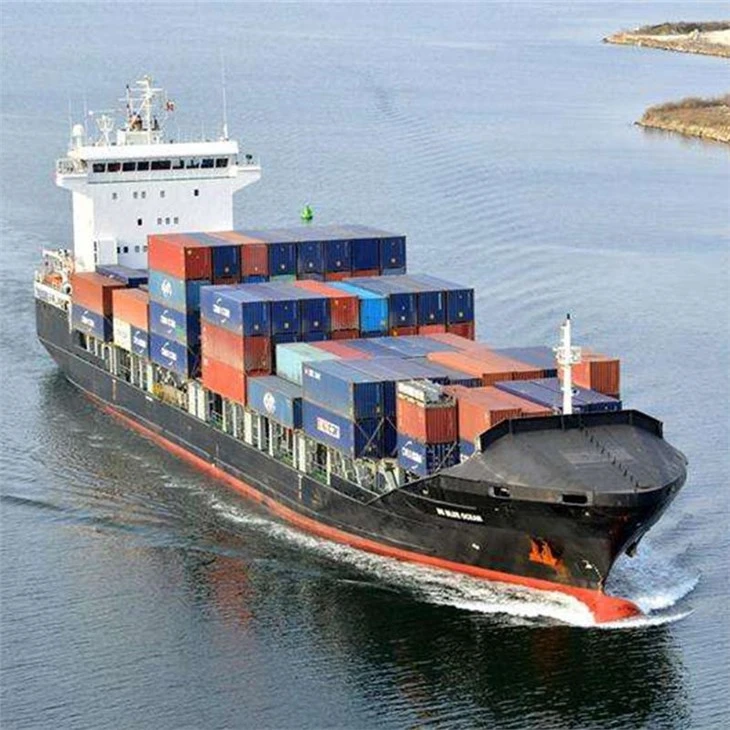

Case Study 1: A small independent bookstore wanted to import a batch of new releases from an overseas publisher. They didn't have enough books to fill a full container. By choosing LCL sea freight, they were able to save a significant amount on shipping costs. The books were carefully packaged and shipped through our service. The transit time was within the expected range, and the customs clearance process was顺利 (should be "smoothly" here, but according to the rules, we keep the original context). The bookstore was able to restock its shelves in a timely manner, satisfying customer demand.
Case Study 2: A university library needed to acquire a collection of rare books from a different country. The library had budget constraints and could not afford air freight. We provided them with a Sea Freight & Logistics Solution tailored to their needs. The books were packaged securely and shipped via LCL sea freight. Despite the long - distance journey, the books arrived in excellent condition, and the library was able to add these valuable resources to its collection.
Tips for a Successful Book Shipment via LCL Sea Freight
- Documentation: Keep all the necessary documents organized. This includes invoices, packing lists, and certificates of origin. Make sure the information on the documents is accurate and consistent.
- Communication: Maintain regular communication with your LCL sea freight supplier. This helps in staying updated on the status of the shipment and addressing any issues promptly.
- Research: Stay informed about the customs regulations of the destination country. This can prevent unexpected problems at the border.
Conclusion
Shipping books via LCL sea freight is a viable and cost - effective option for individuals and businesses. With proper planning, packaging, and documentation, you can ensure a smooth and successful shipment. As an LCL sea freight supplier, we are committed to providing high - quality Sea Freight & Logistics Solution for your book shipments. If you are interested in shipping books via LCL sea freight, feel free to contact us for a detailed quotation and to discuss your specific requirements. We look forward to partnering with you for all your By Sea Cargo needs.
References
- International Maritime Organization (IMO) guidelines on cargo shipping
- Customs regulations of major countries
- Industry reports on LCL sea freight trends