

How do I ensure compliance with international regulations in ocean freight service?
Ensuring compliance with international regulations in ocean freight service is no walk in the park. As a supplier of Ocean Freight Service, I've faced my fair share of challenges in this area. But over the years, I've learned a thing or two about how to stay on the right side of the law while providing top-notch service to my clients. In this blog post, I'll share some of the key strategies I use to ensure compliance in my ocean freight business.
Understanding the Regulatory Landscape
The first step in ensuring compliance is to have a solid understanding of the international regulations that govern ocean freight. These regulations cover a wide range of areas, including safety, security, environmental protection, and trade. Some of the most important regulations include the International Maritime Organization (IMO) conventions, the International Labour Organization (ILO) standards, and the World Trade Organization (WTO) rules.
To stay up-to-date with the latest regulations, I make it a point to regularly monitor industry news and updates. I also subscribe to regulatory newsletters and attend industry conferences and seminars. By staying informed, I can ensure that my business is always in compliance with the latest requirements.
Implementing a Compliance Management System
Once I have a good understanding of the regulations, the next step is to implement a compliance management system (CMS). A CMS is a set of policies, procedures, and processes that are designed to ensure that my business complies with all relevant regulations. It includes everything from risk assessment and training to monitoring and reporting.
One of the key components of my CMS is a compliance checklist. This checklist outlines all the regulatory requirements that apply to my business and helps me ensure that I'm meeting them. I use this checklist on a regular basis to conduct internal audits and identify any areas where I need to improve.
Another important component of my CMS is employee training. I make sure that all my employees are trained on the relevant regulations and understand their roles and responsibilities in ensuring compliance. I also provide ongoing training and education to keep my employees up-to-date with the latest requirements.
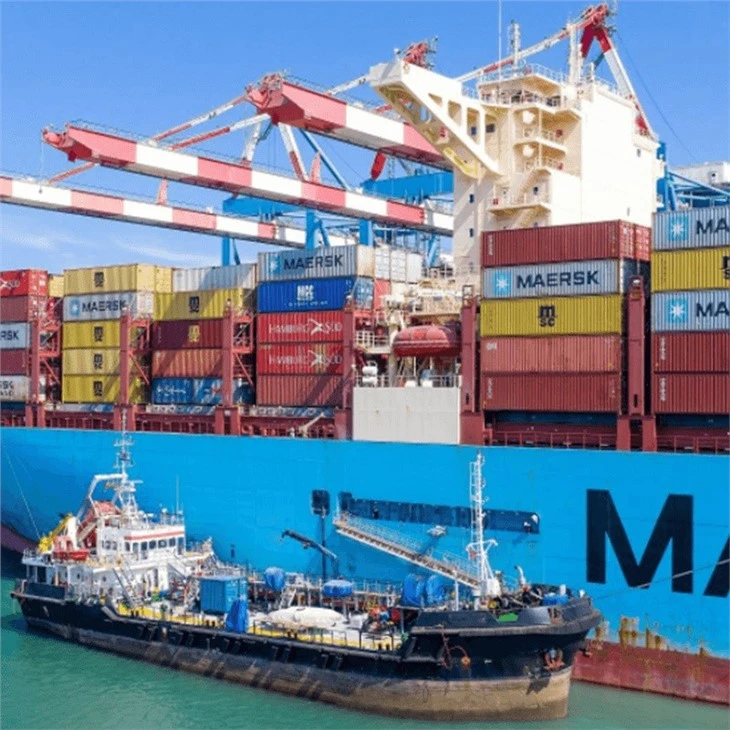

Partnering with Reputable Carriers and Agents
In addition to implementing a CMS, I also make it a point to partner with reputable carriers and agents. When I choose a carrier or agent, I look for companies that have a good reputation for compliance and safety. I also check to make sure that they are licensed and insured and that they comply with all relevant regulations.
By partnering with reputable carriers and agents, I can reduce my risk of non-compliance and ensure that my shipments are handled safely and efficiently. I also have access to their expertise and resources, which can help me navigate the complex regulatory landscape.
Using Technology to Improve Compliance
Technology can also play a key role in ensuring compliance in ocean freight service. For example, I use a transportation management system (TMS) to manage my shipments and track their progress. The TMS allows me to automate many of the compliance-related tasks, such as documentation and reporting, which helps me save time and reduce the risk of errors.
I also use electronic data interchange (EDI) to communicate with my carriers and agents. EDI allows me to exchange information electronically, which is faster, more accurate, and more secure than traditional paper-based methods. By using EDI, I can ensure that all my documentation is up-to-date and that I'm meeting all the regulatory requirements.
Conducting Regular Audits and Reviews
Finally, I conduct regular audits and reviews to ensure that my compliance management system is working effectively. I perform internal audits on a regular basis to identify any areas where I need to improve. I also engage an independent third-party auditor to conduct an external audit at least once a year.
The results of the audits and reviews are used to identify any areas where I need to make changes to my compliance management system. I use this feedback to continuously improve my processes and procedures and to ensure that my business is always in compliance with the latest regulations.
Conclusion
Ensuring compliance with international regulations in ocean freight service is a complex and ongoing process. It requires a commitment to understanding the regulatory landscape, implementing a compliance management system, partnering with reputable carriers and agents, using technology to improve compliance, and conducting regular audits and reviews.
By following these strategies, I've been able to ensure that my business is always in compliance with the latest regulations while providing top-notch service to my clients. If you're looking for a reliable and compliant Ocean Freight Service provider, I'd be happy to [contact me for procurement and negotiation].
References
- International Maritime Organization (IMO)
- International Labour Organization (ILO)
- World Trade Organization (WTO)
- Sea Cargo Shipping [/ocean-freight-service/sea-cargo-shipping.html]
- LCL Sea Freight [/ocean-freight-service/lcl-sea-freight.html]
- Global Seafreight [/ocean-freight-service/global-seafreight.html]