

How do air freight forwarders handle sudden changes in shipping requirements?
As an air freight forwarder, I've faced my fair share of sudden changes in shipping requirements. It's like being on a rollercoaster ride in the logistics world, where you never know what's coming next. But hey, that's what makes this job exciting! In this blog, I'll share how we at our air freight forwarding business handle these unexpected shifts and keep things running smoothly.
Understanding the Common Causes of Sudden Changes
First off, let's talk about why these sudden changes happen. There are a bunch of factors that can throw a wrench in the works. One of the most common is market demand. Sometimes, a product suddenly becomes super popular, and our clients need to rush more inventory to their customers. For example, during the holiday season, there's always a spike in demand for consumer goods. Retailers might come to us last minute and say they need to increase their shipping volume to meet the holiday rush.
Another factor is regulatory changes. Governments can introduce new rules and regulations regarding air freight at any time. These can range from safety and security measures to environmental policies. For instance, stricter emission standards might affect the choice of airlines or the type of packaging we use. And let's not forget about geopolitical issues. Tensions between countries can lead to trade restrictions, which in turn can change shipping routes or even halt shipments altogether.
Building a Flexible Network
To handle these sudden changes, having a flexible network is crucial. We've built strong relationships with multiple Air Transport Logistics providers and Transportation Airlines. This gives us the option to quickly switch carriers or routes if needed. For example, if one airline experiences a strike or mechanical issues, we can easily move our clients' shipments to another reliable carrier.
We also work closely with our partners to ensure they can accommodate last-minute changes. This means having open lines of communication and clear agreements in place. We regularly review our contracts with airlines and logistics providers to make sure they offer the flexibility we need. And we're always on the lookout for new partners to add to our network, so we can expand our options and improve our ability to handle unexpected situations.
Real - Time Monitoring and Communication
In today's fast - paced world, real - time monitoring is essential. We use advanced tracking systems to keep an eye on our clients' shipments at all times. This allows us to quickly identify any potential issues and take proactive measures. For example, if a flight is delayed, we can immediately inform our clients and start looking for alternative solutions.

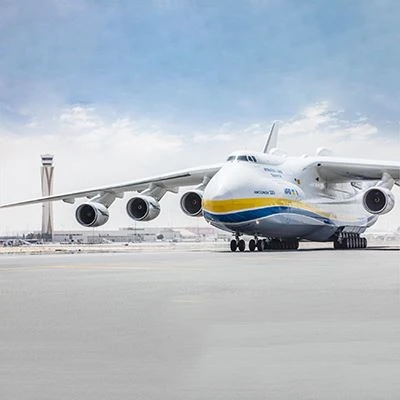
Communication is also key. We make sure to keep our clients in the loop every step of the way. Whether it's a minor change in the shipping schedule or a major disruption, we let them know as soon as possible. We use a variety of communication channels, including email, phone, and even instant messaging apps, to ensure we can reach our clients quickly and easily.
Having a Contingency Plan
No matter how well - prepared we are, there's always a chance that something unexpected will happen. That's why we have a detailed contingency plan in place. This plan outlines the steps we'll take in different scenarios, such as natural disasters, labor strikes, or technical failures.
For example, if there's a major storm that disrupts air traffic in a particular region, our contingency plan might involve rerouting shipments through a different airport or using ground transportation to get the goods closer to their destination. We regularly review and update our contingency plan to make sure it's up - to - date and effective.
Adapting to Changes in Volume
One of the most common sudden changes we face is a change in shipping volume. Sometimes, clients need to increase or decrease the amount of goods they're shipping on short notice. When it comes to an increase in volume, we first check our existing capacity with our airline partners. If we don't have enough space on our regular flights, we start looking for additional cargo flights or charter options.
On the other hand, if a client needs to decrease their shipping volume, we work with them to adjust our plans accordingly. This might involve canceling some bookings or reducing the frequency of shipments. We always try to minimize the impact on our clients' costs and operations.
Dealing with Special Requirements
Occasionally, clients come to us with special shipping requirements. This could be due to the nature of the goods, such as hazardous materials or perishable items. When we receive such requests, we immediately assess the situation.
For hazardous materials, we make sure to follow all the relevant safety regulations. We work with specialized carriers and handling facilities that are equipped to deal with these types of goods. For perishable items, we focus on maintaining the right temperature and humidity levels throughout the shipping process. We use insulated containers and temperature - controlled transportation options to ensure the quality of the goods.
Cost Management
Handling sudden changes in shipping requirements can sometimes lead to additional costs. But we're always looking for ways to manage these costs without sacrificing the quality of our service. We negotiate with our partners to get the best rates possible, especially when it comes to last - minute bookings.
We also analyze the cost - benefit of different solutions. For example, if chartering a plane is the only option to meet a client's urgent shipping needs, we'll calculate whether the cost is justified based on the value of the goods and the potential impact on the client's business.
Technology and Automation
Technology plays a huge role in helping us handle sudden changes. We use automated systems for tasks like booking, invoicing, and documentation. This not only saves time but also reduces the risk of human error.
Our digital platforms also allow us to quickly access information about our clients' shipments, carriers, and routes. This enables us to make informed decisions in a short amount of time. For example, we can use data analytics to predict potential disruptions and take preventive measures.
Conclusion
Handling sudden changes in shipping requirements is no easy feat, but it's definitely doable. By building a flexible network, using real - time monitoring and communication, having a contingency plan, and leveraging technology, we're able to adapt to whatever comes our way.
If you're in need of Air Freight Shipping services and are worried about potential sudden changes in your shipping requirements, don't hesitate to reach out. We're here to help you navigate the complex world of air freight and ensure your goods are delivered safely and on time. Let's have a chat and see how we can work together to meet your logistics needs.
References
- "Air Freight Forwarding: Best Practices and Industry Insights" - Logistics Today Magazine
- "Managing Sudden Changes in Supply Chain Logistics" - Harvard Business Review
- "The Impact of Regulatory Changes on Air Freight" - International Air Transport Association (IATA) Publications