

How to avoid demurrage and detention in sea freight shipping?
In the dynamic realm of sea freight shipping, demurrage and detention charges can significantly impact the bottom line of both shippers and carriers. As a seasoned Sea Freight Shipping supplier, I understand the operational challenges and financial burdens these charges impose. This blog post aims to provide in - depth insights into how to avoid demurrage and detention, optimizing your sea freight operations.
Understanding Demurrage and Detention
Before delving into avoidance strategies, it's crucial to understand the difference between demurrage and detention. Demurrage refers to the charges imposed by the port or terminal when the cargo remains in the port beyond the free storage period. This is typically associated with the time the cargo spends at the port waiting for loading or unloading. On the other hand, detention is the charge for using the shipping line's equipment, such as containers, beyond the agreed - upon free time.
These charges can accumulate rapidly, especially in busy ports where the demand for space and equipment is high. For example, in major ports like Shanghai, Rotterdam, and Los Angeles, demurrage and detention fees can range from a few hundred to several thousand dollars per day, depending on the type of cargo and container size.

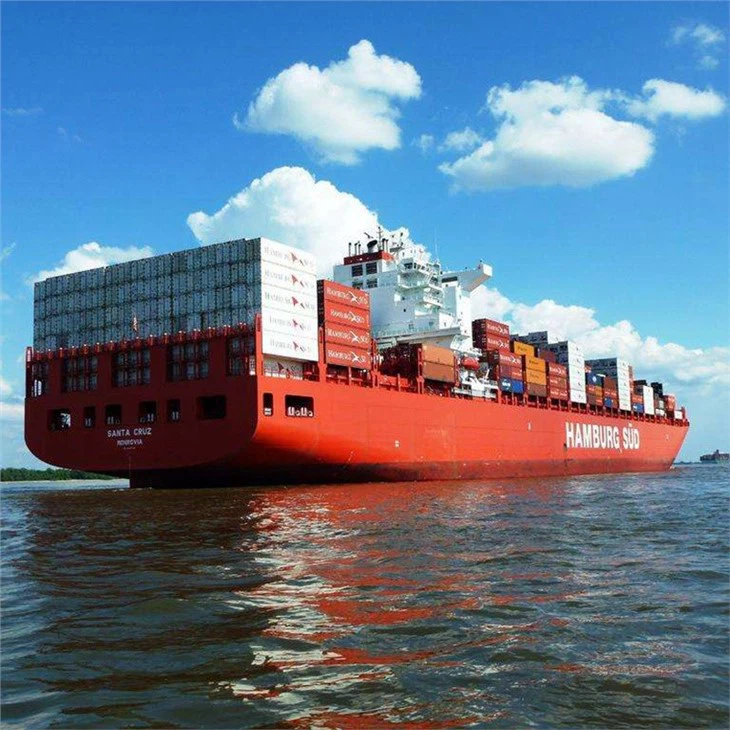
Planning and Coordination
Adequate Advance Planning
One of the most effective ways to avoid demurrage and detention is through meticulous advance planning. As a Sea Freight Shipping supplier, I always recommend that my clients start the planning process well in advance. This involves setting clear timelines for every stage of the shipping process, from cargo preparation to final delivery.
For instance, if you are shipping goods from Asia to Europe, you should consider factors such as the time required for customs clearance, the availability of shipping vessels, and the transit time. By having a detailed plan in place, you can ensure that all parties involved, including shippers, carriers, and customs agents, are aware of their responsibilities and deadlines.
Coordination with All Stakeholders
Effective communication and coordination among all stakeholders are essential for smooth sea freight operations. This includes close collaboration with suppliers, freight forwarders, carriers, and port authorities. As a supplier, I make it a point to establish strong relationships with all parties in the supply chain.
For example, I work closely with my clients' suppliers to ensure that the cargo is ready for shipping on time. I also maintain regular communication with freight forwarders to keep track of vessel schedules and any potential delays. Additionally, I have direct contacts with port authorities, which allows me to quickly address any issues that may arise at the port.
Documentation and Compliance
Accurate Documentation
Incorrect or incomplete documentation is one of the leading causes of delays in sea freight shipping, which can result in demurrage and detention charges. As a Sea Freight Shipping supplier, I emphasize the importance of providing accurate and complete documentation. This includes bills of lading, commercial invoices, packing lists, and customs declarations.
For example, a small error in the description of the cargo on the bill of lading can lead to customs clearance issues. By double - checking all documentation before submission, you can avoid costly delays. I have a team of experts who specialize in documentation review to ensure that all paperwork is in order.
Compliance with Regulations
Compliance with international and local regulations is another critical factor in avoiding demurrage and detention. Different countries have different customs requirements, import/export regulations, and safety standards. For example, some countries may have restrictions on the import of certain goods, such as hazardous materials or agricultural products.
As a supplier, I stay updated on all relevant regulations and ensure that my clients are also aware of them. I provide guidance on how to comply with these regulations, including obtaining the necessary permits and certifications. This helps to prevent customs holds and delays at the port.
Choosing the Right Partners
Selecting a Reliable Carrier
The choice of carrier plays a significant role in avoiding demurrage and detention. A reliable carrier will have a good track record of on - time departures and arrivals, efficient handling of cargo, and a strong network of agents at major ports. When selecting a carrier, I look for factors such as fleet age, service frequency, and customer reviews.
For example, some carriers have a reputation for more reliable scheduling, which reduces the risk of delays. I also consider carriers that offer flexible shipping options, such as expedited services, which can be useful in case of urgent shipments.
Working with a Competent Freight Forwarder
A competent freight forwarder can act as a valuable intermediary between the shipper and the carrier. A good freight forwarder will have in - depth knowledge of the sea freight industry, including market trends, shipping routes, and port operations. They can help with everything from booking cargo space to arranging for customs clearance.
As a Sea Freight Shipping supplier, I have established partnerships with experienced freight forwarders. These partners help me to optimize shipping routes, negotiate favorable rates, and handle any issues that may arise during the shipping process.
Contingency Planning
Building in Buffer Time
Despite the best planning and coordination, unexpected delays can still occur in sea freight shipping. To mitigate the impact of these delays, it's important to build in buffer time for each stage of the shipping process. This includes extra time for loading and unloading at the port, customs clearance, and any potential transportation delays on land.
For example, if the estimated transit time for a shipment is 30 days, I recommend allowing an additional 5 - 7 days in the schedule as a buffer. This provides some flexibility in case of unforeseen circumstances, such as bad weather or mechanical problems with the vessel.
Backup Options
In addition to building in buffer time, it's also advisable to have backup options in place. This could include alternative shipping routes, carriers, or ports. For example, if there are congestion issues at a particular port, having an alternative port in mind can help to avoid long delays.
As a supplier, I always research and identify alternative options for my clients. This ensures that we can quickly adapt to changing circumstances and minimize the risk of demurrage and detention charges.
Leveraging Technology
Tracking and Monitoring Systems
Technology has revolutionized the sea freight industry, and one of the most useful tools is the tracking and monitoring system. These systems allow shippers and carriers to track the location of the cargo in real - time, monitor its condition, and receive alerts in case of any deviations from the schedule.
As a Sea Freight Shipping supplier, I use advanced tracking technology to keep my clients informed about the status of their shipments. This not only provides peace of mind but also allows for proactive problem - solving. For example, if a shipment is delayed, we can quickly identify the cause and take appropriate action to minimize the impact on the delivery schedule.
Digital Documentation
Digital documentation is another area where technology can help to avoid demurrage and detention. By using digital platforms for document management, such as electronic bills of lading and customs declarations, the efficiency of the shipping process can be significantly improved. Digital documents are easier to process, share, and access, reducing the risk of errors and delays.
I encourage my clients to adopt digital documentation solutions to streamline their sea freight operations. This not only saves time and money but also reduces the environmental impact of paper - based documentation.
Conclusion
Avoiding demurrage and detention in sea freight shipping requires a comprehensive approach that includes careful planning, effective communication, compliance with regulations, and the use of technology. As a Sea Freight Shipping supplier, I am committed to helping my clients optimize their shipping operations and minimize costs.
If you are looking for reliable sea freight services, whether it's Shipping To Colombia, International Sea Transportation, or Air Freight And Sea Freight, I am here to assist you. Contact me to discuss your specific shipping needs and let's work together to ensure a smooth and cost - effective shipping experience.
References
- "The Handbook of Port Economics" by Theo Notteboom and Jean - Paul Rodrigue.
- "International Logistics and Supply Chain Handbook" by David A. Pyke and Brian G. Solomon.
- Industry reports from reputable maritime research institutions.