

What documents are required for shipping with Global International Cargo?
Hey there! As a supplier with Global International Cargo, I've had my fair share of experiences dealing with the ins and outs of shipping. One of the most common questions I get asked is, "What documents are required for shipping with Global International Cargo?" Well, let's dive right in and break it down.
First off, we've got the Bill of Lading. This is like the holy grail of shipping documents. It's a legal document issued by the carrier (that's us, Global International Cargo) to the shipper. It serves as a receipt for the goods being shipped, a contract of carriage between the shipper and the carrier, and a document of title to the goods. Think of it as a passport for your cargo. Without it, your goods aren't going anywhere.
Next up is the Commercial Invoice. This is a detailed bill for the goods sold, prepared by the seller (that's you, the shipper). It includes information like the description of the goods, the quantity, the price per unit, the total value of the shipment, and the terms of sale. The commercial invoice is used by customs authorities to determine the value of the goods for the purpose of assessing duties and taxes. So, make sure it's accurate and up - to - date.
Then there's the Packing List. This document provides a detailed breakdown of the contents of each package in the shipment. It includes information such as the number of packages, the type of packaging (e.g., boxes, crates), the weight and dimensions of each package, and a description of the goods inside. The packing list helps the carrier and the consignee (the person receiving the goods) to identify and handle the packages properly.
If you're shipping goods that are subject to certain regulations, you might also need an Export License. This is a government - issued document that allows you to export specific goods to certain countries. The requirements for an export license vary depending on the type of goods, the destination country, and the nature of the transaction. For example, if you're shipping military - grade equipment or certain types of chemicals, you'll definitely need an export license.
Another important document is the Certificate of Origin. This document indicates the country in which the goods were produced or manufactured. It's used by customs authorities to determine the origin of the goods for the purpose of applying preferential trade agreements, assessing duties, and enforcing trade restrictions. There are different types of certificates of origin, such as the Generalized System of Preferences (GSP) Certificate of Origin, which can provide tariff exemptions for eligible goods.
Now, let's talk about some specialized documents that might be required depending on the mode of transportation. If you're shipping by air, you'll need an Air Waybill. It's similar to a Bill of Lading but is specifically used for air freight. The Air Waybill is issued by the airline or the freight forwarder and serves as a receipt for the goods, a contract of carriage, and a document for tracking the shipment. You can learn more about air freight at Air Freight Cargo.
If your shipment involves multiple modes of transportation, like a combination of air and ground, you might need a Multimodal Transport Document. This document covers the entire journey of the goods from the point of origin to the final destination, regardless of the number of different carriers or modes of transport used.
When it comes to shipping hazardous materials, you'll need to provide a Dangerous Goods Declaration. This document provides detailed information about the nature of the hazardous materials, the proper handling procedures, and the emergency response measures. Shipping hazardous materials is highly regulated, so make sure you comply with all the relevant safety standards and regulations. You can find more information about the transportation of such goods at Flying Transport.
For some international shipments, you might also need to provide a Phytosanitary Certificate. This is required for goods that are of plant origin, such as fruits, vegetables, and wood products. The Phytosanitary Certificate certifies that the goods are free from pests and diseases and comply with the import requirements of the destination country.
Now, I know all these documents might seem a bit overwhelming, but don't worry. At Global International Cargo, we're here to help you every step of the way. Our team of experts can guide you through the process, make sure you have all the necessary documents, and ensure that your shipment is processed smoothly.
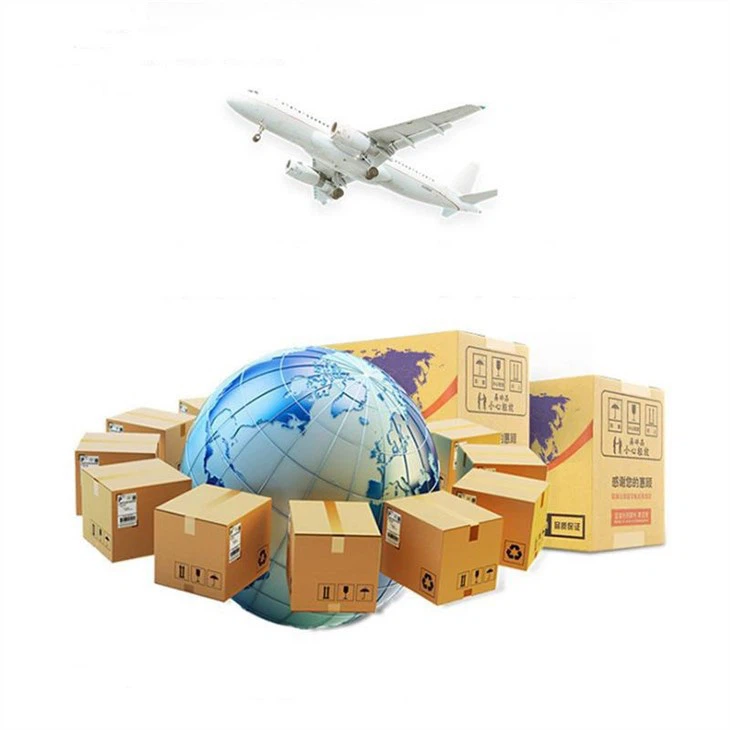

We work closely with Transportation Airlines and other partners to provide you with the best shipping solutions. Whether you're shipping a small package or a large consignment, we've got the experience and the resources to handle it.
If you're planning to ship with us, it's a good idea to start gathering these documents well in advance. Make sure you double - check all the information to avoid any delays or issues at customs. And if you have any questions or need further assistance, just reach out to us.
We're always looking for new partners and customers. If you're in the market for a reliable shipping service, we'd love to have a chat with you. Whether you're a small business owner looking to expand your reach or a large corporation with complex shipping needs, we can tailor our services to meet your requirements. So, don't hesitate to contact us for a quote or to discuss your shipping options.
In conclusion, shipping with Global International Cargo requires a set of important documents, each with its own purpose and significance. By understanding what these documents are and making sure you have them in order, you can ensure a smooth and hassle - free shipping experience. So, get your documents in line, and let's get your goods moving!
References:
- General knowledge of international shipping regulations and practices.
- Industry experience as a supplier with Global International Cargo.