

What is the process of sea freight shipping from Africa to South America?
Hey there! I'm a supplier in the sea freight shipping business, and today I'm gonna walk you through the process of sea freight shipping from Africa to South America. It's a pretty involved journey, but I'll break it down step by step so you can have a clear understanding of what goes on behind the scenes.
Step 1: Inquiry and Quote
The whole process usually kicks off when a customer reaches out to us with an inquiry. They'll tell us what they want to ship, how much of it there is, and where it's going. Based on this info, we'll start working on a quote for them. We take into account a bunch of factors like the type of goods (whether they're hazardous, perishable, or just regular stuff), the volume and weight of the shipment, the departure and destination ports, and the shipping route.
We also need to consider any special requirements the customer might have. For example, if they need the goods to be delivered by a certain date, or if they want some extra insurance coverage. Once we've gathered all this data, we put together a detailed quote that includes all the costs involved, like freight charges, port fees, and any additional services. And if you're interested in getting a quote for your shipment, you can check out our Sea Freight To Door service.
Step 2: Booking and Documentation
If the customer likes the quote, they'll go ahead and book the shipment with us. At this point, we start handling all the necessary documentation. There are a ton of papers involved in international sea freight shipping, and it's crucial to get them right to avoid any delays or issues at the ports.
We'll need to prepare a bill of lading, which is like a receipt for the goods and a contract between the shipper and the carrier. It includes details about the shipment, such as the description of the goods, the quantity, the weight, and the origin and destination ports. We also have to deal with customs documentation, like the commercial invoice, packing list, and certificate of origin. These documents help customs authorities clear the goods and determine the appropriate duties and taxes.
As an International Ocean Freight Forwarder, we're pretty experienced in handling all these documents. We make sure everything is filled out correctly and submitted on time to keep the process running smoothly.
Step 3: Cargo Collection and Loading
Once the booking is confirmed and the documentation is in order, it's time to collect the cargo. Depending on the customer's needs, we can arrange for the goods to be picked up from their warehouse or factory in Africa. Our team will coordinate with the customer to schedule the collection time and make sure everything is ready for transportation.
When the cargo arrives at the port, it goes through a series of inspections and checks. The goods are weighed, measured, and inspected to ensure they meet the shipping requirements. Then, they're loaded onto the container. There are different types of containers available, like 20 - foot and 40 - foot containers, and we choose the right one based on the volume and nature of the shipment.
Loading the cargo into the container is a careful process. We have to make sure the goods are properly packed and secured to prevent any damage during transit. Once the container is loaded, it's sealed, and the seal number is recorded on the bill of lading.
Step 4: Ocean Transit
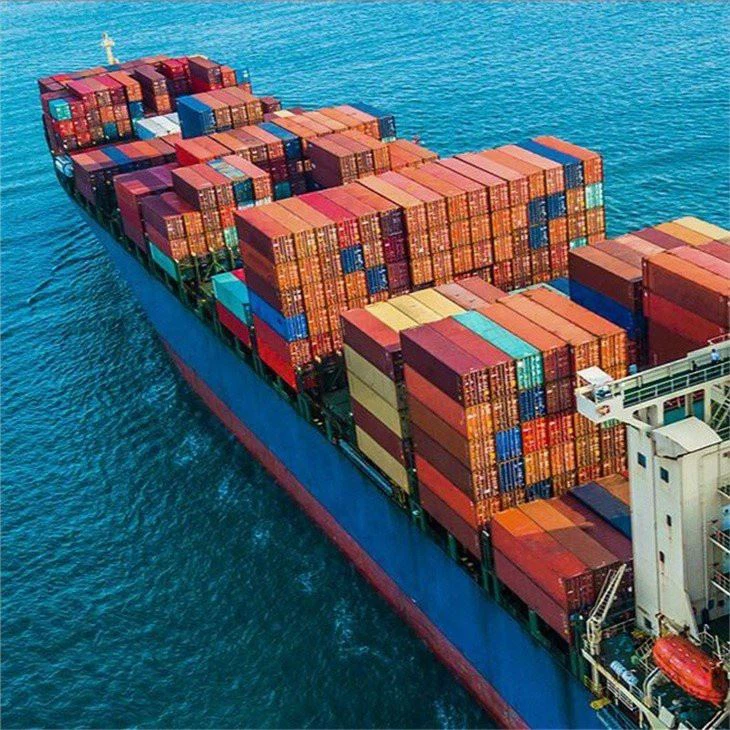
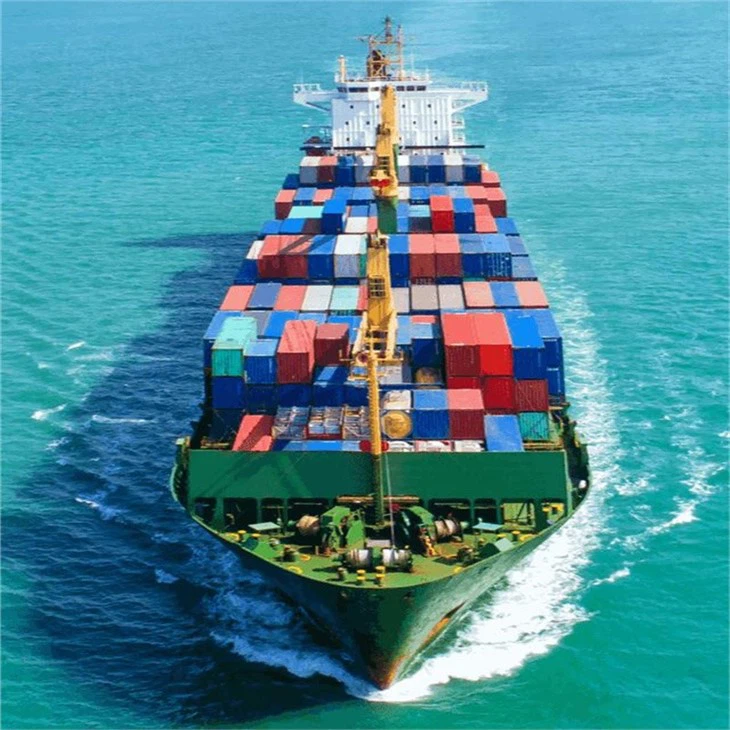
After the container is loaded onto the ship, it's off on its long journey across the ocean from Africa to South America. The shipping route and the transit time depend on a few factors, like the departure and destination ports and the weather conditions. On average, it can take anywhere from a couple of weeks to a month or more for the shipment to reach its destination.
During the transit, we keep a close eye on the shipment's progress. We use tracking systems to monitor the location of the ship and the container. This way, we can provide our customers with regular updates on where their goods are and when they're expected to arrive. And if there are any unexpected delays or issues, like bad weather or mechanical problems with the ship, we'll communicate with the customer right away and come up with a solution.
Step 5: Arrival and Unloading
When the ship finally arrives at the destination port in South America, the first thing that happens is the customs clearance process. The customs authorities will check all the documentation and inspect the goods to make sure they comply with the local regulations. This can take some time, especially if there are any discrepancies or if the goods are subject to special inspections.
Once the goods are cleared by customs, the container is unloaded from the ship and moved to the port's storage area. We'll then arrange for the container to be transported to the customer's designated location. This could be a warehouse, a factory, or a retail store.
Step 6: Delivery
The final step in the process is the delivery of the goods to the customer. We have a network of local partners and carriers in South America who help us with the last - mile delivery. Our goal is to make sure the goods are delivered safely and on time.
We offer different delivery options to meet our customers' needs. For example, we can do a door - to - door delivery, where the goods are picked up from the shipper's location in Africa and delivered directly to the customer's doorstep in South America. This is a convenient option for customers who don't want to deal with the hassle of arranging transportation at the destination. And if you're interested in this kind of service, you can check out our International Shipping Through Sea.
Why Choose Us?
We've been in the sea freight shipping business for a long time, and we've built a reputation for providing reliable and efficient services. We have a team of experts who know the ins and outs of international shipping, and we're always looking for ways to improve our processes and offer better value to our customers.
Whether you're a small business owner shipping a few containers or a large corporation with a high - volume shipment, we can tailor our services to meet your specific needs. We offer competitive pricing, flexible shipping options, and excellent customer support.
If you're thinking about shipping goods from Africa to South America, don't hesitate to reach out to us. We'd love to have a chat with you about your requirements and provide you with a free quote. We're here to make your shipping experience as smooth and stress - free as possible.
References
- International Chamber of Shipping, "Guide to International Shipping"
- World Customs Organization, "Customs Procedures and Documentation for International Trade"
So, that's the whole process of sea freight shipping from Africa to South America in a nutshell. If you have any questions or if you're ready to start planning your shipment, just get in touch with us. We're looking forward to working with you!